2026 Top Container Conversions Trends and Insights?
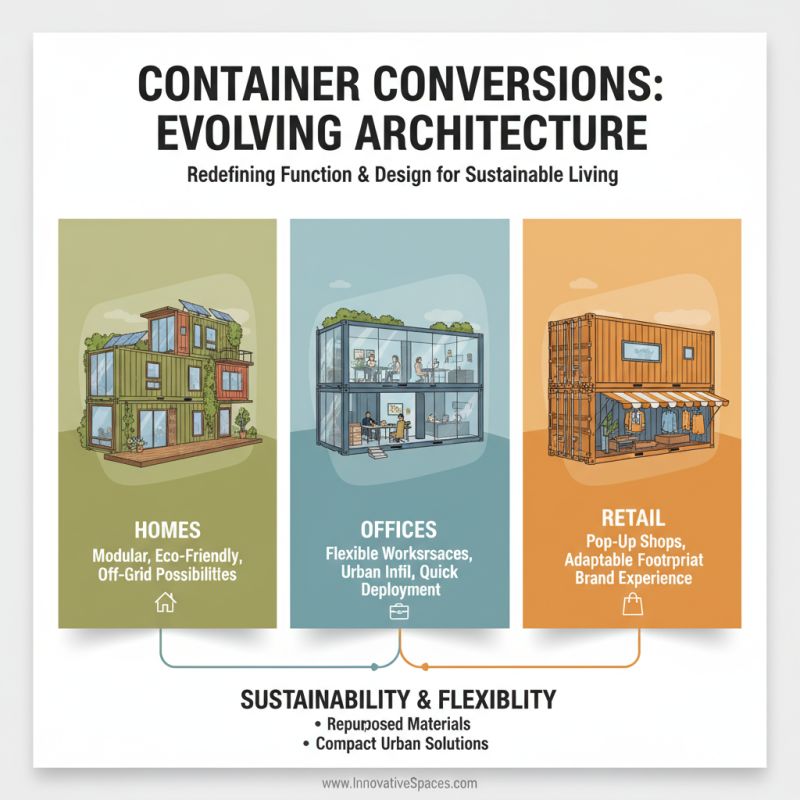
Container conversions are becoming increasingly popular. They offer innovative solutions for housing, offices, and retail spaces. In 2026, the trends shaping this sector are diverse and exciting.
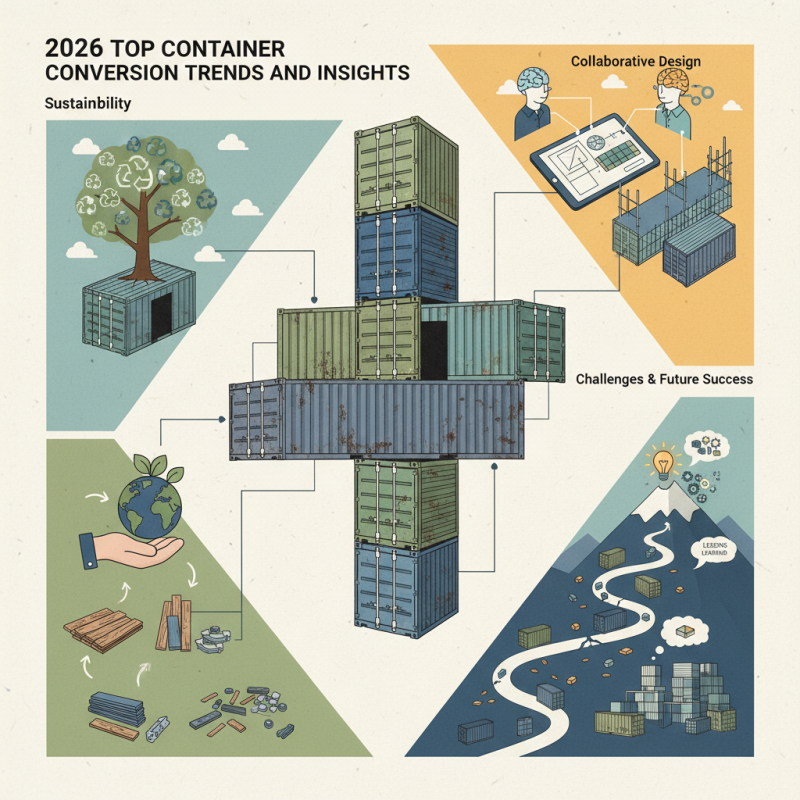
One key insight is sustainability. More people are opting for eco-friendly materials in their container designs. There is a noticeable shift towards using recycled materials. This trend reflects a growing awareness of environmental impact. Additionally, the design process is becoming more collaborative. Architects and clients work together closely to create unique spaces.
However, challenges remain. The conversion process can be costly and time-consuming. Some conversions fail to meet the intended vision. It’s important for stakeholders to reflect on past projects. Learning from these experiences can drive future success in container conversions. Embracing creativity while addressing practical concerns will define the future landscape of this industry.
Emerging Container Conversion Trends for 2026
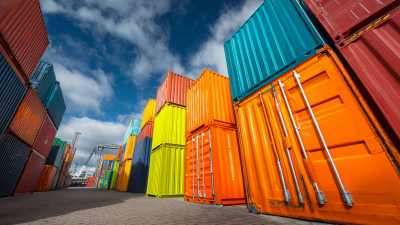
In 2026, the container conversion trend is flourishing. Shipping containers are no longer just for transport. They are becoming homes, offices, and pop-up shops. Many people seek unique spaces that reflect their individuality. This shift moves beyond traditional architecture, allowing creativity to flourish. The exterior can be a canvas for art or vibrant colors. The interior offers endless possibilities for layouts.
Sustainability drives these trends. Reusing containers reduces waste and promotes eco-friendliness. However, it is essential to address structural integrity. Some conversions fall short in safety standards. It often takes a keen eye to spot potential flaws. Each conversion project requires thorough planning. Balancing aesthetics and functionality is key.
Affordable housing is another focus. As urban areas grow, container homes can provide solutions. They offer quick and cost-effective options for many. Yet, not all designs maximize space effectively. Some conversions may feel cramped or impractical. With the right vision, these issues can be tackled. Thoughtful design will pave the way for innovative living solutions.
2026 Container Conversions Trends
Key Innovations in Container Design and Functionality
Container conversions are evolving, with emerging innovations that redefine function and design. Increasingly, containers are being transformed into homes, offices, and retail spaces. This shift reflects a growing desire for sustainable living. They can be easily repurposed. This flexibility is a significant advantage in tight urban areas.
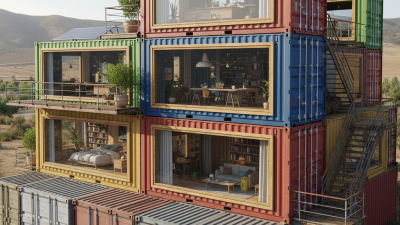
Minimalist designs are gaining popularity. Open floor plans and large windows enhance natural light. These features contribute to a feeling of spaciousness. Yet, there are challenges. Not all conversions may comply with local building codes. Structural integrity can become a concern. Owners must navigate complex regulations and safety standards. Innovative insulation techniques are also becoming crucial in ensuring energy efficiency.
Multi-functional containers attract attention for their versatility. They can serve as pop-up shops or temporary housing. Transforming a simple container into a vibrant space requires creativity. Outdoor spaces are being integrated, blurring the lines between indoors and outdoors. However, practical limitations often arise. Accessibility and utility are common hurdles. Each project is a learning process. While trials may lead to frustration, the end results can inspire new ideas.
Sustainability Practices in Container Conversions
Container conversions have become a popular trend, especially regarding sustainability. Repurposing shipping containers can help reduce waste and save resources. Many people are transforming these containers into homes, offices, and shops. Utilizing existing materials is a practical way to practice eco-friendliness.
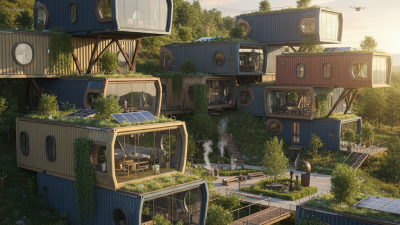
One effective approach is to integrate green technology. Solar panels can power these structures, minimizing reliance on traditional energy sources. Rainwater harvesting systems can provide fresh water for daily needs. However, not every project achieves high sustainability. Some overlook energy efficiency and insulation needs. Reflecting on these choices can lead to better designs.
When planning a container conversion, consider these tips. Use non-toxic materials for construction. Insulate thoroughly to reduce energy consumption. Look for ways to incorporate natural light, enhancing well-being. Small adjustments can significantly impact sustainability. Each decision can either benefit or harm the environment. It's essential to evaluate the full lifecycle of the project.
Market Demand and Consumer Preferences in Container Usage
Container usage has been gaining traction in various sectors. With the rise of remote work and minimalistic living, consumers show a growing interest in container conversions. They are exploring small living spaces and multifunctional structures. The appeal lies in affordability and sustainability. Many seek a lifestyle that embraces simplicity and efficiency.
Market demand reflects diverse preferences triggered by current trends. People desire unique, customizable spaces. This has led to innovative designs in container modifications. From homes to pop-up shops, each conversion serves a purpose. Yet, some projects face challenges. Consumers can encounter zoning issues and structural limitations. Not every project meets their vision, prompting reflections on feasibility and costs.
Human preferences continue to evolve, emphasizing practicality. There is a growing appreciation for eco-friendly options. As more individuals embrace container living, understanding community needs becomes vital. The journey toward perfecting these spaces remains ongoing, filled with lessons and potential improvements.
2026 Top Container Conversions Trends and Insights
| Conversion Type |
Market Demand (Units) |
Consumer Preference (%) |
Sustainability Rating (1-5) |
| Mobile Pop-Up Shops |
15,000 |
65% |
4 |
| Tiny Homes |
10,500 |
75% |
5 |
| Office Spaces |
12,000 |
55% |
4 |
| Restaurants |
8,000 |
70% |
3 |
| Storage Solutions |
20,000 |
80% |
5 |
Case Studies: Successful Container Conversion Projects in 2026
Container conversion has gained popularity in 2026. Many projects have showcased innovative uses. A small community transformed shipping containers into vibrant cafes. These spaces feature unique interiors, attracting many visitors. However, not all conversions have met expectations.
In another case, a container was used as an office. The design was sleek, but it lacked proper ventilation. Employees found it uncomfortable. This shows that aesthetics must balance with functionality. Poor planning can derail a project. It’s crucial to involve users in the design process.
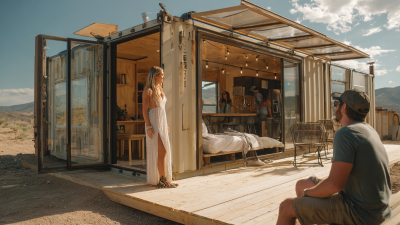
On a positive note, a family turned a container into a cozy home. They added large windows for natural light. Space-saving furniture made it comfortable. Still, they faced construction delays and budgeting issues. These experiences highlight the need for thorough research before starting any container project.