Top Benefits of Shipping Container Cabins for Sustainable Living
In recent years, sustainable living has gained momentum, and the shipping container cabin movement is at the forefront. Experts like Dr. Emily Chen, an authority in eco-friendly housing, notes, “Shipping container cabins offer a unique blend of functionality and sustainability.” These structures repurpose old containers into beautiful homes, making efficient use of materials.
Many choose shipping container cabins for their affordability and environmental benefits. A standard container can be transformed into a cozy living space, complete with modern amenities. However, there are challenges to consider, such as insulation and moisture control. These factors require thoughtful design to ensure comfort.
Supporters claim that shipping container cabins minimize waste and enhance mobility. Yet, skeptics point to potential downsides, such as limited space. Each cabin is a reflection of sustainable living ideals, but they also challenge our traditional views of a home. Balancing aesthetics, functionality, and sustainability is not always easy.
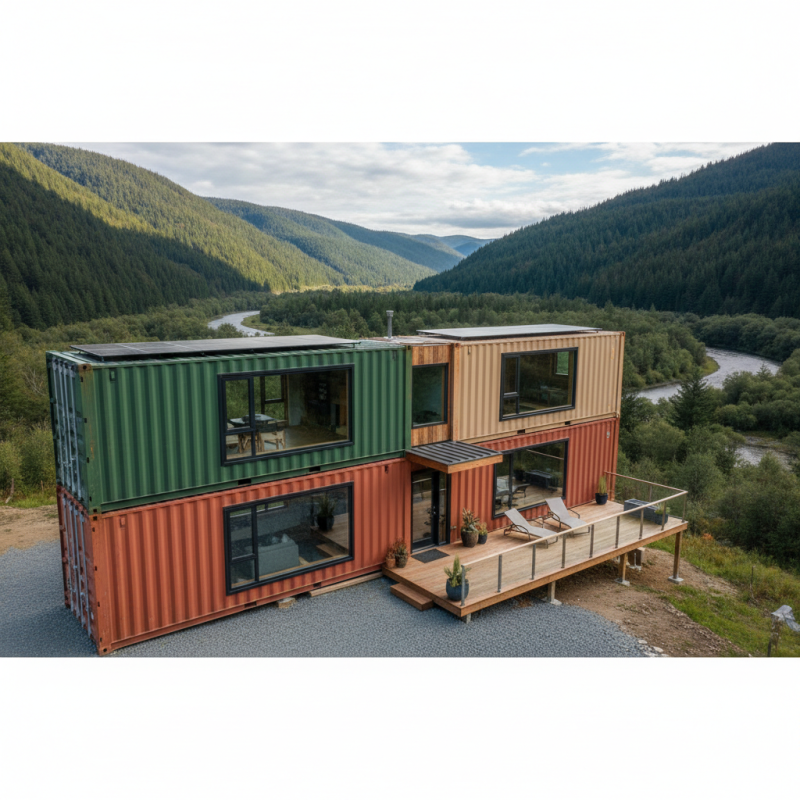
Benefits of Utilizing Shipping Containers for Eco-Friendly Housing
Shipping container cabins offer a remarkable solution for eco-friendly housing. In recent years, the housing industry has shown a growing shift towards sustainable living. According to recent studies, building with shipping containers can reduce construction waste by up to 80%. This is crucial in an industry that generates significant landfill contributions.
The thermal efficiency of shipping containers is another significant aspect. They can be insulated effectively, ensuring energy savings in heating and cooling. Interestingly, some reports suggest that container homes can save homeowners 30% on annual energy bills. These cabins are also transportable, allowing for flexible living arrangements. However, ensuring proper site selection is essential. Some locations may present challenges such as zoning laws or land stability.
Tip: Before choosing a site for your container cabin, research local regulations thoroughly. You'll avoid potential legal complications. Another important consideration is the insulation material used. Not all options are eco-friendly, so seek sustainable materials whenever possible. Lastly, while container homes are often more affordable than traditional homes, hidden costs can arise. Budgeting carefully can help you manage these unexpected expenses.
Top Benefits of Shipping Container Cabins for Sustainable Living
| Benefit |
Description |
Environmental Impact |
Cost Effectiveness |
| Sustainability |
Made from recycled materials, reducing waste. |
High - promotes recycling and reduces landfill use. |
Lower initial costs compared to traditional housing. |
| Energy Efficiency |
Can be designed with energy-efficient features. |
Medium - energy savings with the right implementations. |
Long-term savings on utility bills. |
| Versatility |
Can be used for various purposes (homes, offices, etc.). |
Medium - adaptable uses reduce resource consumption. |
Cost savings on multiple uses. |
| Speed of Construction |
Faster build time compared to conventional buildings. |
Low - reduces construction time and associated waste. |
Lower labor costs due to quicker assembly. |
| Mobility |
Easily transportable for relocation. |
Low - encourages minimal land use. |
Cost-effective for those needing transient housing. |
Cost-Effectiveness of Shipping Container Cabins in Sustainable Living
Shipping container cabins offer a unique approach to affordable housing. These structures can be constructed for about
30% less than traditional homes. According to a 2021 report by the International Journal of Environmental Science, the
average cost of building a conventional house is around $350,000. In contrast, shipping container cabins can be built for as little as
$100,000, depending on design and customization. This significant cost difference opens the door for
sustainable living to a wider audience.
Another critical advantage is energy efficiency. Shipping container cabins often require less energy to heat and cool.
They are typically well-insulated, which can reduce annual energy costs by up to 40%. However, it’s vital to consider that
insulation materials, if not chosen wisely, can offset these savings. Buyers must balance cost with environmental impact.
Moreover, the use of recycled shipping containers reduces material waste. Each container reused prevents it from ending up in landfills. On the flip side, challenges exist.
Finding quality containers and ensuring proper ventilation can be difficult. Local zoning laws can complicate installation and occupancy. Overall, shipping container cabins present
a compelling but imperfect solution for those seeking sustainable living options.
Energy Efficiency and Insulation Properties of Container Homes
Shipping container cabins offer unique energy efficiency and insulation properties. These homes can regulate temperature well. The steel structure provides a sturdy barrier against the elements. Proper insulation can minimize heating costs in winter. It also keeps the heat out in summer, creating a comfortable living environment.
When building a shipping container home, consider insulation materials carefully. Spray foam insulation is effective but can be expensive. Other options like rock wool or recycled denim offer eco-friendly choices. Each material has its pros and cons. Research and choose based on your climate and budget.
Another tip is to integrate energy-efficient appliances. They consume less energy than standard options. Simple changes can reduce your carbon footprint. Use natural light whenever possible. Large windows can help in this regard. They enhance the aesthetic while cutting energy costs. Balancing design and function is key.
Top Benefits of Shipping Container Cabins for Sustainable Living
Shipping container cabins offer remarkable benefits for sustainable living, showcasing energy efficiency at 80%, superior insulation properties with an R-value of 6.5, and contributing to a significant 50% reduction in CO2 emissions.
Flexibility and Customization Options for Container Cabin Designs
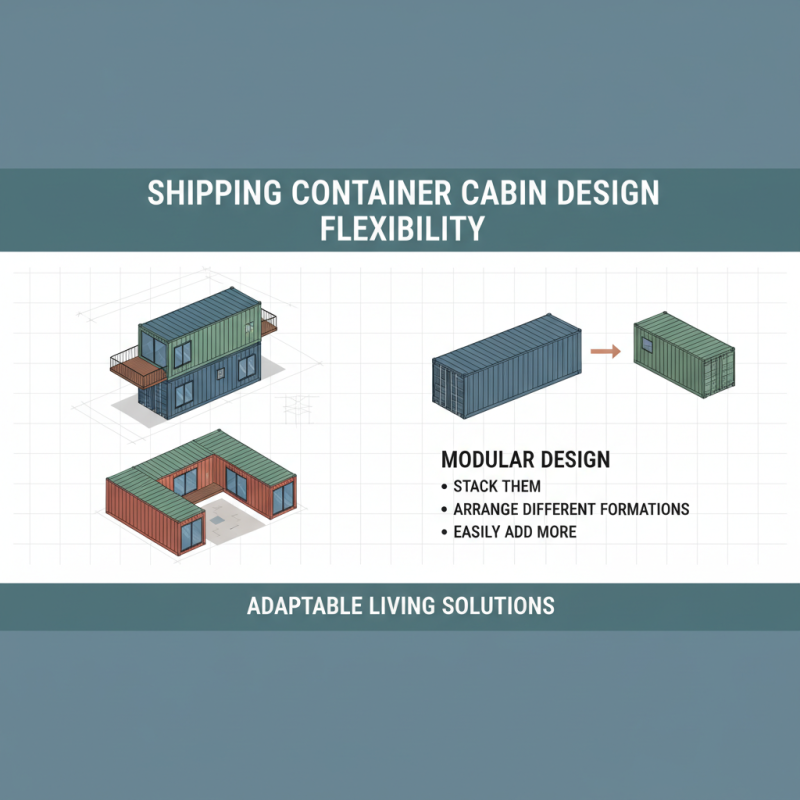
Shipping container cabins offer remarkable flexibility in design. The modular nature of containers allows for creative layouts that traditional homes can't match. You can stack them, arrange them in different formations, or even add more containers later. This adaptability makes it easy to meet diverse living needs.
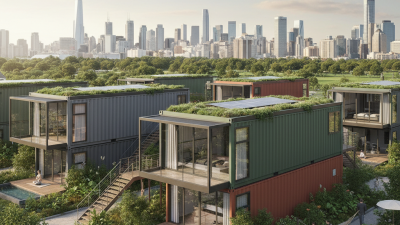
Customization is another key advantage. You can choose exterior finishes, window placements, and interior layouts. Want an open-plan living space? Or perhaps a cozy nook? Everything is possible. Many opt for large windows for natural light. A green roof can also enhance sustainability. Yet, achieving the perfect balance between aesthetics and functionality can be tricky.
However, not all designs suit everyone. Some find the industrial look unappealing. Others struggle with insulation and temperature control. Every decision has consequences. It’s essential to consider local climate, land use, and personal preferences. This process can be overwhelming but also rewarding. Embracing imperfection is part of the journey.
Minimal Environmental Impact and Waste Reduction in Construction
Shipping container cabins are increasingly recognized for their minimal environmental impact. They offer a practical solution for eco-conscious living. The construction of these cabins primarily uses repurposed materials, which reduces the need for new resources. Traditional building methods often generate significant waste. In contrast, shipping containers can be utilized in their existing form.
Another advantage is the energy efficiency of these cabins. They can be designed to maximize natural light and ventilation. This reduces reliance on electricity for heating and cooling. However, the process is not without challenges. Ensuring proper insulation might require additional materials. Overlooking these details can lead to inefficiencies.
Waste reduction is a critical aspect of sustainable living. Shipping container cabins can easily be customized to reduce excess materials. While constructing, one must think critically about the design. Aesthetic choices could lead to more waste if not planned thoroughly. Embracing this reflective approach enhances the overall sustainability of the project.