Discover the Benefits of Shipping Container Cabins for Your Needs?
Shipping container cabins are gaining popularity for various uses. They provide a unique blend of affordability, durability, and versatility. Many people seek out these cabins for vacation homes, guest houses, or even as a permanent residence.
One significant benefit of a shipping container cabin is its eco-friendliness. These structures reuse materials that would otherwise go to waste. They often require minimal renovations, allowing for a fast setup. However, careful planning is crucial. Not all containers are in good condition; some may need repairs or modifications.
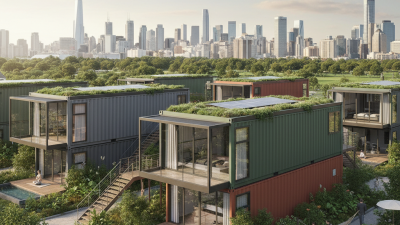
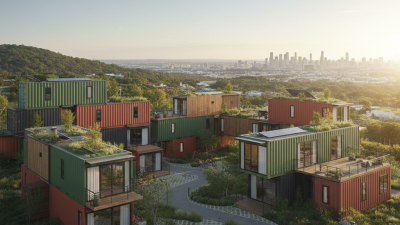
Another aspect to consider is the aesthetic appeal. Shipping container cabins can be stylish and modern. With the right design, they integrate well into different landscapes. Yet, it's essential to think about insulation and ventilation. These factors can significantly affect comfort levels. Overall, while there are challenges, the rewards may outweigh them for many looking for innovative living solutions.
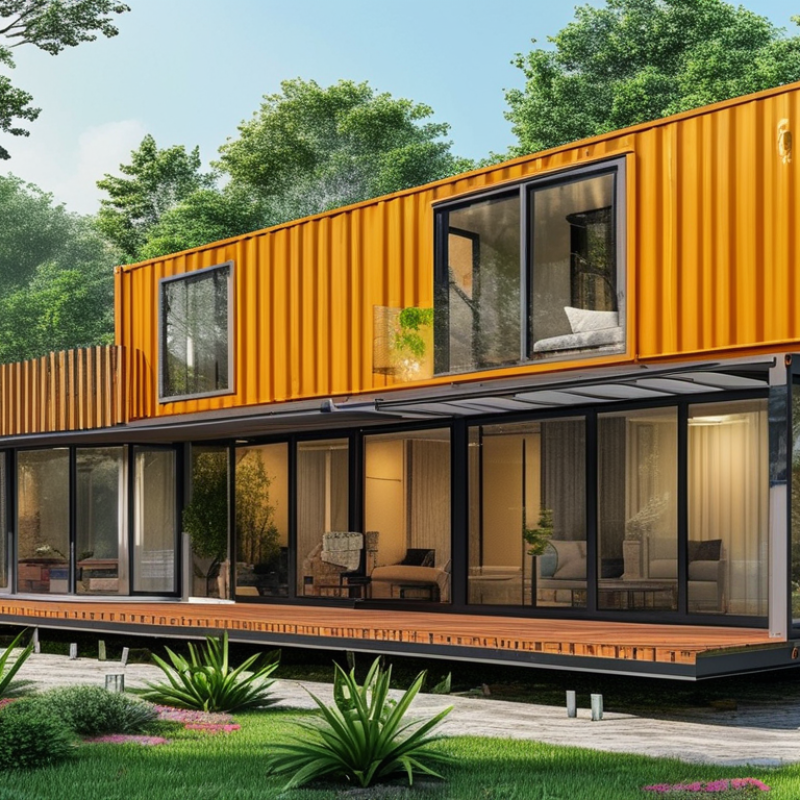
Benefits of Shipping Container Cabins for Sustainable Living
Shipping container cabins offer an innovative solution for sustainable living. These structures utilize repurposed materials, reducing waste and lowering environmental impact. According to a 2021 study, using one shipping container can save around 14 tons of steel. This drastically decreases the carbon footprint associated with traditional building methods.
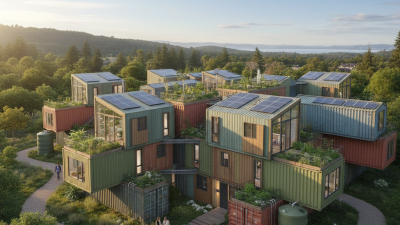
Moreover, shipping container cabins are energy-efficient. They have the potential for excellent insulation, helping to maintain indoor temperatures. A report by the U.S. Department of Energy indicates that properly insulated cabins can cut heating and cooling costs by up to 50%. Utilizing renewable energy sources can further enhance these savings.
However, there are challenges. Container modifications can be complex. Implementing plumbing and electrical systems requires experienced professionals. Insufficient insulation may lead to condensation issues. Addressing these aspects is essential to ensure longevity and comfort in container cabins. Overall, while shipping container cabins present fantastic benefits, examining their limitations is crucial.
Cost-Effectiveness of Shipping Container Cabins Compared to Traditional Homes
Shipping container cabins are gaining traction for those looking for an affordable housing solution. According to a report by the Container Housing Association, shipping container homes can cost up to 30% less than traditional homes. This is primarily due to lower material costs and quicker construction timelines. A typical traditional home requires extensive planning, labor, and resources. In contrast, a shipping container can be converted into a livable space within weeks.
Beyond cost efficiency, the flexibility of container design is noteworthy. These cabins can be customized to fit various needs, whether for a family or a single occupant. However, certain challenges exist. Structural limitations and insulation can hinder comfort levels if not properly addressed. It’s essential to consult construction experts to ensure safety and longevity. While many celebrate the eco-friendly aspects of repurposing containers, some express concerns about potential zoning issues. Local regulations may restrict where these cabins can be placed, making thorough research crucial.
Versatility in Design: Customizing Your Shipping Container Cabin
Shipping container cabins are revolutionizing modern living. They offer flexibility in design, catering to diverse needs. According to a report by the Container Housing Association, these structures can be customized for residential, commercial, or recreational use. This adaptability makes them an attractive option for many lifestyles.
Customization is key. Whether you envision a minimalist retreat or a spacious home office, shipping containers can be transformed to meet your vision. The size and layout can be altered easily, enabling unique designs. Studies show that 60% of homeowners prefer bespoke options over traditional structures. Additionally, eco-conscious individuals appreciate that using recycled shipping containers reduces waste.
However, it's essential to approach this trend with caution. Not all areas permit the installation of container homes due to zoning laws. Finding the right location can be challenging. Moreover, insulation and ventilation require careful planning for comfort. These elements can add to overall costs, raising questions about budget and long-term value. As with any building project, thorough research and consideration are crucial.
Portability and Location Flexibility of Shipping Container Cabins
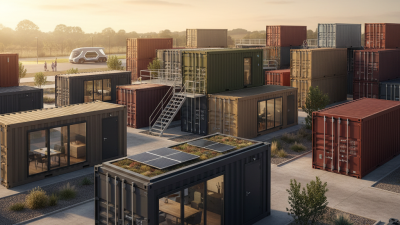
Shipping container cabins offer remarkable portability, making them an attractive option for many. These structures can be transported with ease, allowing homeowners and businesses to relocate whenever needed. Imagine having a cabin that can be moved to a lakeside, mountainside, or even a bustling urban area. This flexibility is unmatched compared to traditional buildings.
Location flexibility is another major benefit. You can set up a shipping container cabin in a remote area or on a busy street. They are ideal for short-term projects or seasonal living. However, it’s essential to consider zoning laws and land suitability. Sometimes, local regulations may pose challenges.
The durability of these cabins is noteworthy. Crafted from high-quality steel, they can withstand harsh weather. Yet, they may not always provide ideal insulation. Additional measures may be necessary for extreme climates. This imbalance raises questions about the best uses for container cabins. Exploring and reflecting on these aspects is vital when considering such a unique living option.
Discover the Benefits of Shipping Container Cabins for Your Needs? - Portability and Location Flexibility of Shipping Container Cabins
| Feature |
Benefit |
Example Use Cases |
Cost-Effectiveness |
| Portability |
Easily transportable to different locations |
Mobile offices, remote accommodations |
Lower transportation costs compared to traditional buildings |
| Location Flexibility |
Can be placed in various environments |
Temporary housing, event venues |
Reduced site preparation costs |
| Durability |
Long-lasting, withstands harsh conditions |
Worksites, disaster relief housing |
Lower maintenance costs over time |
| Customizability |
Ability to modify for various needs |
Storage solutions, pop-up shops |
Cost-efficient alternative to custom-built structures |
| Eco-Friendliness |
Repurposes materials, sustainable |
Green housing solutions, eco-friendly offices |
Potential tax incentives for using recycled materials |
Environmental Impact: How Shipping Container Cabins Promote Green Living
Shipping container cabins are gaining popularity as an eco-friendly living option. By transforming these containers into homes, we promote sustainable practices. According to the United Nations, around 1.3 billion tons of food are wasted annually. Using shipping containers can reduce waste by repurposing unused assets instead of creating new structures.
The carbon footprint of conventional construction is significant. A report from the World Green Building Council states that buildings account for 39% of global CO2 emissions. Shipping container cabins minimize environmental impact. They often require fewer resources and energy, which contributes to lower emissions. Adopting these cabins can lead to a greener lifestyle.
However, challenges do exist. Not all containers are free from chemicals and toxins. It’s essential to ensure proper insulation and ventilation, making these spaces genuinely livable. While shipping container cabins offer unique solutions, careful consideration is vital to maximize their benefits and avoid potential hazards.
Environmental Impact of Shipping Container Cabins
This chart highlights the environmental benefits of shipping container cabins, emphasizing their potential in reducing carbon footprints, utilizing recycled materials, promoting energy efficiency, minimizing waste, and fostering sustainable living practices.