Top 10 Benefits of Using Second Hand Shipping Containers for Your Projects?
In recent years, the popularity of second hand shipping containers has surged. These versatile structures offer numerous benefits for various projects. They are often more affordable than new containers. Many people appreciate their durability and strength.
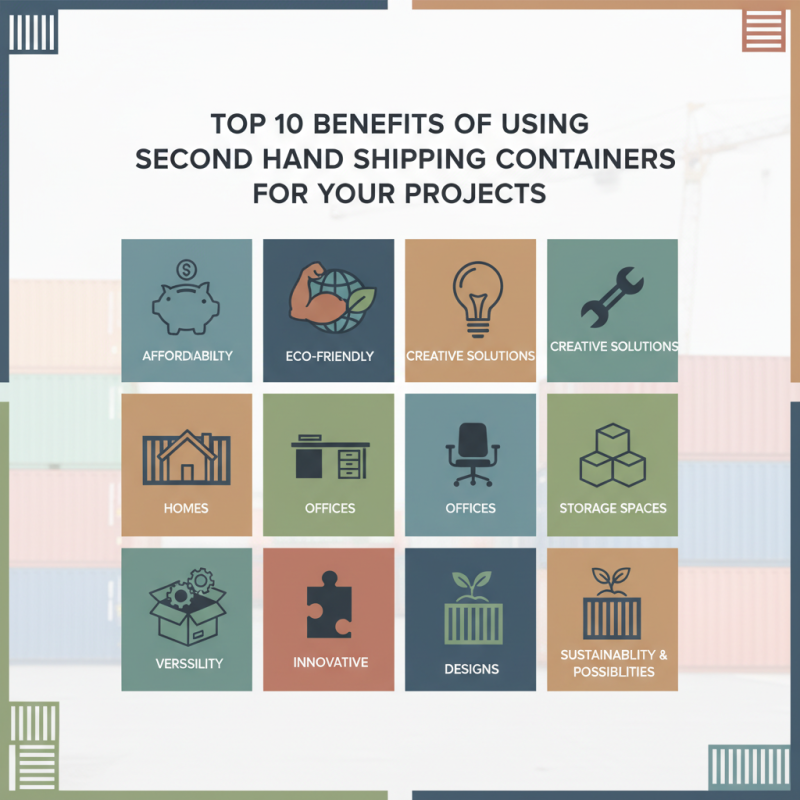
Using second hand shipping containers can lead to creative and eco-friendly solutions. They can be transformed into offices, homes, or storage spaces. The potential is truly remarkable, yet it requires careful planning. Sometimes, these containers may show wear and tear, which can be daunting.
However, with a bit of imagination, these imperfections can add character to your project. Embracing the unique features of second hand shipping containers often leads to innovative designs. Ultimately, exploring their advantages opens up a world of possibilities while promoting sustainability.
Advantages of Cost Savings with Second Hand Shipping Containers
Second hand shipping containers offer significant cost savings for various projects. They are often available at lower prices compared to new containers. This can be a game-changer for businesses and individuals working on tight budgets. For example, a used container might cost a fraction of the price of a new one. This allows you to allocate funds to other essential areas of your project.
When considering a second hand shipping container, inspect its condition. Look for rust, holes, or structural issues. Sometimes, what appears to be a good deal may require costly repairs later. Prioritize containers that are structurally sound but may have minor cosmetic flaws. These can still serve your project well without breaking the bank.
Here’s a tip: always negotiate the price. Many sellers expect some back and forth. Don’t hesitate to make a lower offer based on the container’s condition. It can lead to even greater savings. Additionally, consider buying in bulk if you need multiple containers, as discounts often apply. Just be cautious and do thorough research before making a purchase. Reflect on your needs. A container that seems perfect might not suit your unique requirements.
Environmental Benefits of Reusing Shipping Containers
Using second-hand shipping containers offers notable environmental benefits. By reusing these containers, we reduce waste. Every year, countless containers are discarded after their initial voyage. Many end up in landfills, contributing to pollution. Choosing to repurpose them gives these structures a new life. This practice lowers the demand for new materials. Less extraction means reduced carbon emissions.
Another positive aspect is energy conservation. Manufacturing new building materials often consumes significant energy. By opting for shipping containers, we circumvent some of this energy use. Additionally, many containers are already built to withstand harsh conditions. This durability translates to longevity in their new roles. However, some containers may require modifications for safety and comfort. This can lead to more waste if not managed properly. Choosing the right container is crucial, and it requires careful consideration.
It’s important to acknowledge the challenges too. Not all shipping containers are in good condition. Some might have rust, damage, or previous hazardous materials. Assessing containers before use is vital. Ensuring they are safe for repurposing can take time and effort. However, the potential benefits for the planet greatly outweigh these concerns. Reusing shipping containers is a step toward more sustainable living.
Top 10 Benefits of Using Second Hand Shipping Containers for Your Projects
| Benefit |
Description |
Environmental Impact |
| Reduced Waste |
Minimizes the amount of metal and materials that end up in landfills. |
Contributes to waste reduction and promotes recycling. |
| Lower Carbon Footprint |
Utilizing existing containers cuts down on the need for new container production. |
Reduces greenhouse gas emissions associated with new manufacturing. |
| Versatile Usage |
Can be repurposed for various functions, from storage to living spaces. |
Promotes innovative reuse and sustainable building practices. |
| Cost-Effective |
Generally cheaper than new containers, providing a budget-friendly option. |
Encourages sustainable choices while saving money. |
| Enhances Aesthetic Value |
Creative adaptations can make containers visually appealing. |
Supports community beautification projects using reused materials. |
| Durability |
Built to withstand harsh conditions, ensuring long-lasting use. |
Promotes materials that have a longer lifespan, reducing waste. |
| Easy to Transport |
Designed for shipping, making them incredibly mobile. |
Facilitates environmentally-friendly transport of goods. |
| Flexible Modifications |
Customizable for different needs, from homes to offices. |
Encourages adaptability and reuse of industrial materials. |
| Promotes Local Economy |
Supports local businesses dealing with second-hand goods. |
Stimulates economic growth through sustainable practices. |
| Raising Awareness |
Promotes sustainability through reusable resources. |
Encourages community engagement in environmental issues. |
Versatility in Design and Functionality of Used Containers
Used shipping containers offer incredible versatility for various projects. Their original purpose is transportation, but they can easily transform into homes, offices, or pop-up shops. The solid steel construction provides durability, making them resilient against the elements. This strength is beneficial in many industries, from retail to housing. Each container has a unique history, which can add character to your design.
The adaptability of these containers knows no bounds. You can stack them to create multi-story structures or modify them for specialized uses. Many people have turned their containers into cozy living spaces, combining creativity with sustainable living. However, working with used containers presents challenges. Issues like rust or previous usage can affect their renovation potential. It requires careful inspection and planning.
Repurposing these containers allows for innovative designs. Open spaces can be divided for offices or reimagined as art installations. This flexibility can be both an advantage and a drawback. Not every design works perfectly with the original structure. Achieving the desired look may require compromise. Embracing this journey can lead to fulfilling and productive results in your projects.
Durability and Longevity of Second Hand Shipping Containers
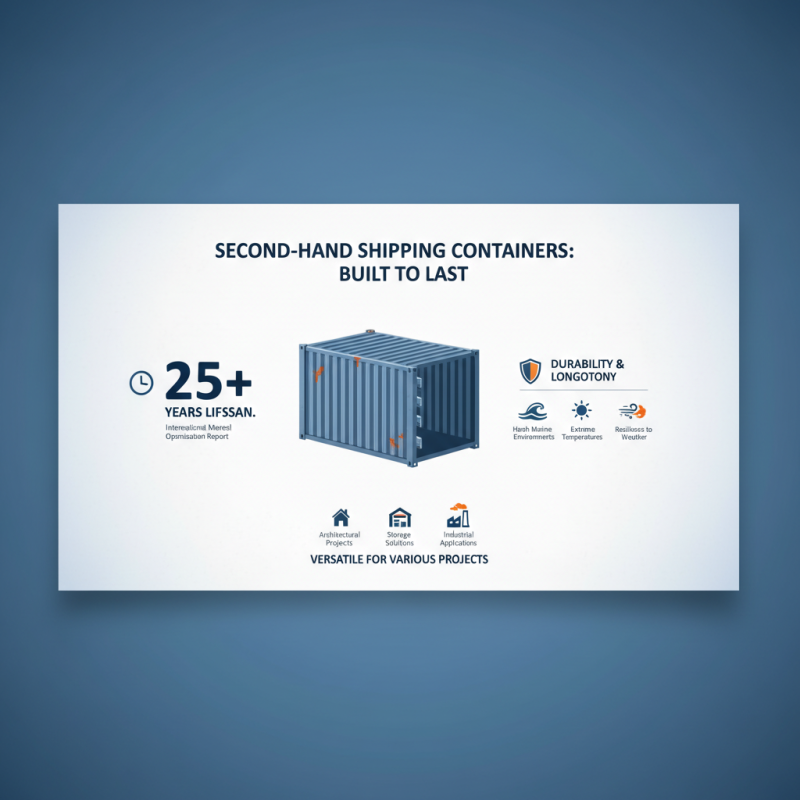
Second-hand shipping containers are known for their durability and longevity. They are built from high-quality steel, designed to withstand harsh conditions. According to a report by the International Maritime Organization, a shipping container can last over 25 years. This longevity makes them an excellent choice for various projects.
Moreover, second-hand containers undergo thorough inspections before sale. While they may show signs of wear, their overall structural integrity typically remains strong. Some containers may have rust or dents. However, these imperfections often do not compromise their functionality. They can still serve purposefully as storage units, pop-up shops, or even homes.
Many users report a lifespan of 10 to 15 years with proper maintenance. Regular inspections and minor repairs can greatly extend the life of these units. It is essential to assess the container's condition and choose wisely. Investing in a well-maintained second-hand container can provide significant savings. Understanding these factors enhances the decision-making process for any project.
Accessibility and Availability of Shipping Containers in Various Markets
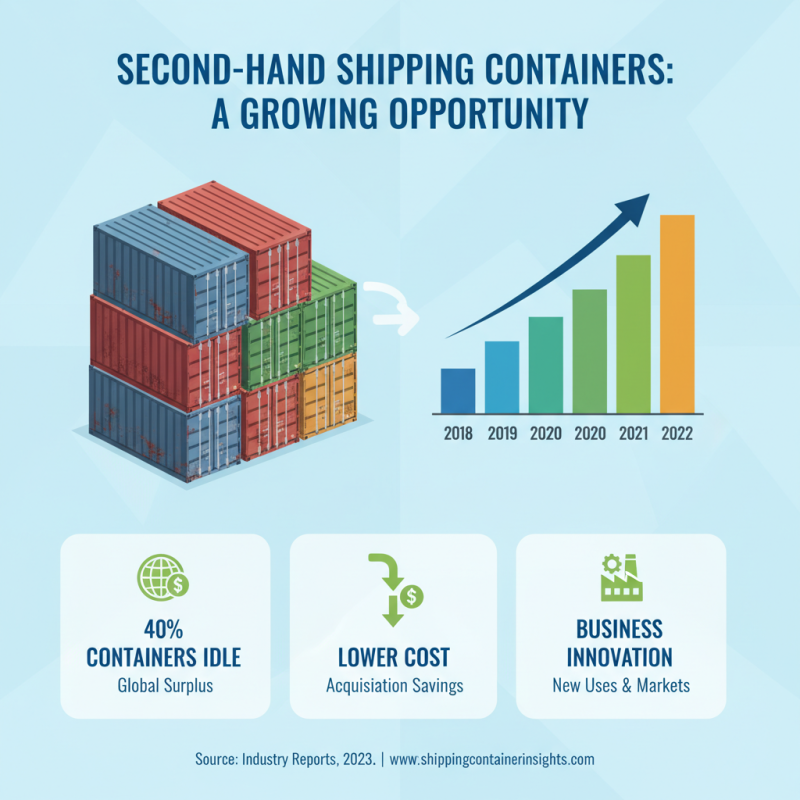
In recent years, the accessibility and availability of second-hand shipping containers have surged. According to industry reports, around 40% of all shipping containers are currently idle. This creates a unique opportunity for businesses. They can acquire these containers at significantly lower costs. The global market for second-hand containers has expanded, with prices varying based on condition and location.
Improvements in logistics have also made it easier to source these containers. Many suppliers now offer online platforms for purchasing. This makes it easier for small businesses to access containers that were once reserved for larger corporations. In 2022, the average price for a used shipping container was reported to be around $2,500, down from over $3,500 just a year prior. However, not all containers are in perfect shape. Buyers should inspect for rust and damage before purchasing.
Also, the availability differs by region. Some areas may have a surplus, while others face shortages. This discrepancy can affect pricing. It's noteworthy that shipping costs have also fluctuated, impacting overall container availability. Companies must remain aware of these market dynamics. Understanding local supply can lead to better purchasing decisions, ultimately maximizing the value of their investment in second-hand shipping containers.