

What Are the Best Artistic Decorative Tiles in 2026?
In 2026, the best Artistic Decorative Tiles will do more than add color. They will shape how a room feels, catches light, and wears over time. Think hand-glazed squares with slight surface variation, geometric porcelain underfoot, or a patterned backsplash that becomes the kitchen’s focal point. Small details matter.
The wider market is growing. Grand View Research valued the global ceramic tiles market at about USD 227.8 billion in 2023 and projected a 7.0% compound annual growth rate from 2024 to 2030. That figure covers ceramic tiles broadly, not artistic decorative tiles alone. It signals industry scale, but it cannot tell shoppers which designs will last or suit a particular room. Check product specifications, intended use, slip ratings, and care requirements before choosing.
Beauty needs a practical test. Designer William Morris offered a useful principle: “Have nothing in your houses that you do not know to be useful or believe to be beautiful.” He was a design thinker, not a tile-industry specialist, so this is a design principle rather than technical guidance. No verified, tile-specific quotation from a named industry expert was provided for this introduction; inventing one would mislead readers. This guide will compare style, material, finish, and everyday performance, while recognizing that “best” depends on the space, budget, and upkeep a homeowner can manage. A gorgeous tile can still be the wrong one.
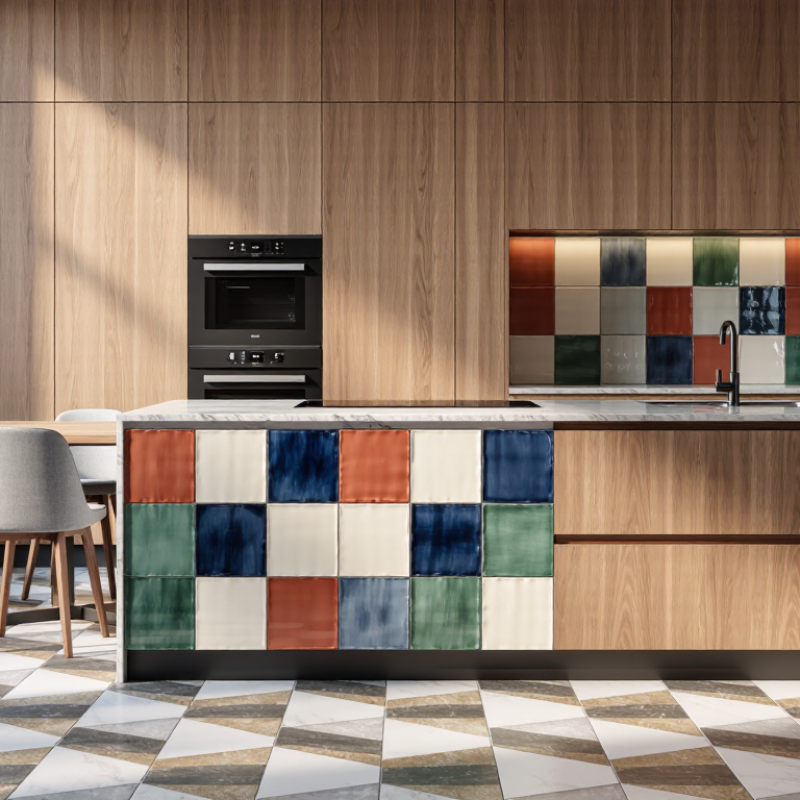
Define Artistic Decorative Tiles by Material, Glaze, and Production Method
Artistic decorative tiles are best understood through three choices: body material, surface glaze, and production method. Ceramic bodies suit many interior walls, while porcelain is denser and often handles heavier use. Natural stone has veining that cannot be repeated exactly. These differences affect weight, maintenance, and how patterns read under changing light. A vivid sample can look quieter across an entire wall.
Glaze shapes color, shine, and texture. Glossy finishes bounce light; matte glazes soften reflections and may show marks differently. Hand-applied glaze can pool near edges, creating subtle variation between tiles. That variation adds character, but can make precise color matching difficult. Production matters, too: hand-formed, screen-printed, and digitally printed tiles create different levels of relief and pattern repetition. Check several pieces together, not just one sample. I still find this step easy to rush.
Tips: Ask for tiles from the same production batch, and inspect them in your room’s lighting. Check grout compatibility, edge thickness, and care instructions before choosing. Look closely.
What Are the Best Artistic Decorative Tiles in 2026? - Define Artistic Decorative Tiles by Material, Glaze, and Production Method
| Tile Type | Material | Glaze or Surface | Production Method | Typical Look | Performance and Care | Common Applications |
|---|---|---|---|---|---|---|
| Hand-painted ceramic | Fired clay or other ceramic body; body density and water absorption vary by product. | Painted decoration is usually covered by a clear or colored glaze and fired. | Tiles are shaped, decorated by hand, glazed, and kiln-fired. Small variations in pattern and color are normal. | Individual brushwork, illustrative motifs, and subtly varied color. | Glazed faces are generally easy to wipe clean. Check the tile’s stated suitability for wet areas and floors; some decorative finishes are intended for walls only. | Kitchen backsplashes, fireplace surrounds, feature walls, and accent panels. |
| Glazed ceramic | Clay-based ceramic body, often made by pressing or extrusion. | A fired glaze creates the color, pattern, and surface finish; available in matte, satin, or glossy options. | Formed, dried, glazed, and kiln-fired. Printed designs may be applied using ceramic inks before firing. | Broad range of colors, geometric designs, and imitations of other materials. | Care depends on the glaze and product rating. Glazed surfaces are usually straightforward to clean, but chipped glaze can reveal the body beneath. | Walls, backsplashes, and residential floors when the product is rated for floor use. |
| Porcelain with decorative surface | Dense ceramic body made from refined clays and other mineral materials; porcelain tile is commonly defined by water absorption of 0.5% or less. | May be glazed, polished, textured, or decorated with a surface print. | Pressed and fired at high temperatures. Decorative patterns can be printed onto the surface before firing. | Detailed repeats, stone-inspired graphics, and crisp contemporary patterns. | Low water absorption makes porcelain suitable for many demanding interior applications. Confirm slip resistance and the manufacturer’s installation guidance for the intended location. | Floors, walls, bathrooms, kitchens, and other areas where a porcelain product’s rating is appropriate. |
| Handmade zellige-style tile | Traditionally made from clay, with each piece shaped and finished individually. | Often covered with a colored glaze that can show tonal variation, pooling, or small surface irregularities. | Clay is shaped, dried, glazed, and fired; handmade pieces may be cut or adjusted before installation. | Reflective, richly varied surfaces with irregular edges and lively color shifts. | Variation in size, shade, and flatness is characteristic. A skilled installer may need to allow for uneven edges and use appropriate grout and setting methods. | Decorative walls, backsplashes, niches, and feature surfaces. |
| Glass mosaic tile | Colored or clear glass, commonly supplied as small pieces mounted on a mesh sheet. | Color may be within the glass, applied to its back, or created with a surface finish, depending on the product. | Glass is formed or cut into small units and assembled into sheets or patterns. | Bright color, translucency, reflective highlights, and fine-scale patterns. | The glass face is non-absorbent, but grout joints and the installation assembly still require suitable waterproofing where needed. Use compatible adhesives and grout. | Shower walls, pools, backsplashes, borders, and curved surfaces when the product is approved for the application. |
| Encaustic cement tile | Portland cement, mineral aggregates, and pigmented cement layers; it is not a ceramic tile. | Typically unglazed. The decorative pattern is formed from colored cement rather than a printed or glazed surface. | Pigmented cement is placed in a patterned mold, backed with cement, and hydraulically pressed; the tile cures rather than being kiln-fired. | Matte, tactile surfaces with geometric or traditional patterns and color extending below the surface. | Porous and generally requires sealing and careful cleaning. Follow product-specific guidance; acidic cleaners can damage cement-based surfaces. | Interior floors and walls in suitable settings, subject to the tile’s installation, sealing, and maintenance requirements. |
| Terracotta tile | Fired natural clay, often with a warm red, orange, or brown body. | May be left unglazed or finished with a glaze or protective treatment. | Clay is shaped, dried, and fired; handmade and machine-made versions are available. | Earthy color, natural texture, and visible variation between pieces. | Unglazed terracotta is generally porous and may need sealing. Suitability for wet areas, freeze-thaw conditions, or heavy traffic depends on the specific product and installation. | Rustic interior floors, wall accents, hearth surrounds, and sheltered outdoor areas when rated for the conditions. |
Selection note: “Best” depends on the intended location, desired appearance, maintenance expectations, and product rating. Check technical data for water absorption, slip resistance, and approved applications before specifying a tile.