Best Container Offices for Flexible Workspaces in 2026?
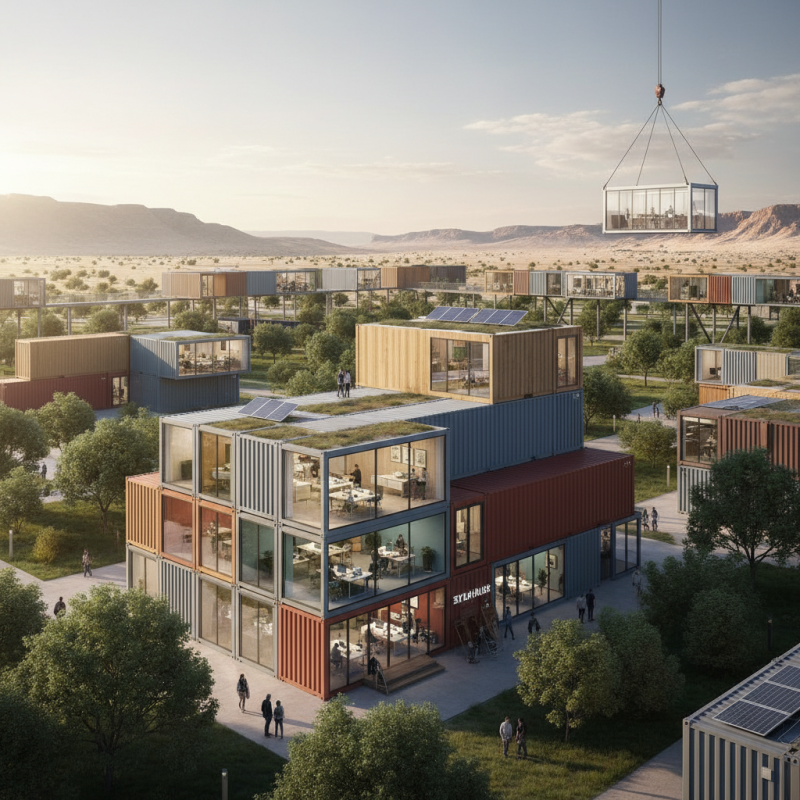
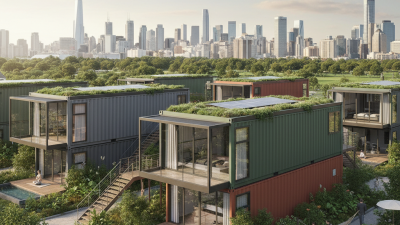
The rise of container offices is reshaping flexible workspaces. These innovative structures blend convenience and efficiency. In 2026, they are set to redefine how we work.
Container offices offer a unique solution for businesses seeking versatility. They can be easily transported to various locations. The designs vary, providing ample space and comfort. You might find them in urban settings, remote sites, or parks. However, their effectiveness can vary greatly. Not all container offices are created equal.
Some designs lack the necessary amenities. Insulation might be poor in certain models. Others may not fit well within a team's needs. Reflecting on these aspects is crucial. Successful choice doesn't only depend on aesthetics but also functionality. The future of work is intriguing, yet the right container office can make all the difference in a successful workspace.
Best Container Offices: Overview of Benefits and Trends in 2026
The container office trend is gaining momentum in the workplace landscape of 2026. More companies are shifting towards flexible workspaces that can quickly adapt to their changing needs. Recently, studies suggest that around 70% of organizations are considering portable workspaces as viable solutions for remote teams. These offices provide adaptability, with the ability to relocate easily as project demands shift.
Container offices also offer unique benefits. For instance, their compact design allows for more efficient use of space. Reports indicate that businesses can reduce overhead costs by up to 30% when choosing container-based solutions. However, the aesthetic appeal can be a concern. Some employees may find them less inspiring than traditional offices. The climate inside a container office can be challenging, requiring thoughtful ventilation and insulation for comfort.
Another important consideration is sustainability. Many container offices utilize recycled materials. This eco-friendly approach can resonate with environmentally-conscious employees. Yet, there is still ongoing debate about the long-term environmental impact of transporting these containers. Companies need to reflect on their choices and ensure they align with their overall sustainability goals. Balancing innovation with practicality is key in this emerging workspace trend.
Best Container Offices for Flexible Workspaces in 2026
| Feature |
Description |
Benefits |
Trends |
| Modular Design |
Flexible layouts that can be customized for different needs. |
Increases space efficiency and promotes teamwork. |
Growing acceptance of remote and hybrid workspaces. |
| Eco-Friendly Materials |
Utilization of recycled and sustainable building materials. |
Reduces carbon footprint and attracts green-conscious businesses. |
Increased focus on sustainability in office design. |
| Smart Technology |
Integration of IoT devices for efficient management. |
Enhances convenience and energy efficiency. |
Rise of digital solutions in workspace management. |
| Portable Solutions |
Container offices that can be relocated as needed. |
Allows adaptability to changing project needs and locations. |
Increased demand for flexible workspace options. |
| Cost Efficiency |
Lower construction and operational costs compared to traditional offices. |
Saves budget while providing modern workspaces. |
Growing emphasis on cost-effective workplace solutions. |
Key Features of Top Container Offices for Flexible Workspaces
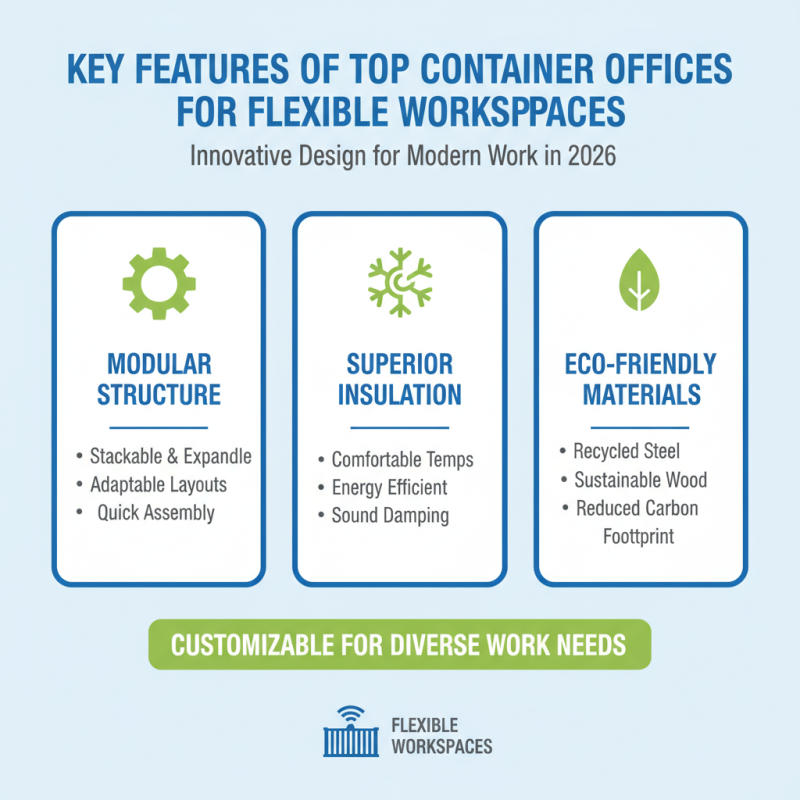
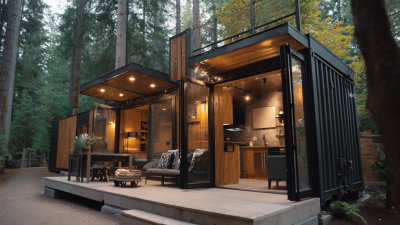
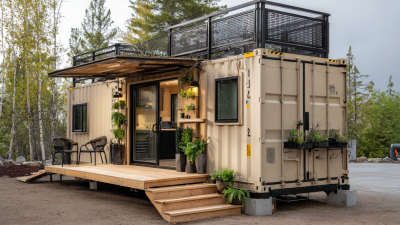
Container offices are becoming popular for flexible workspaces in 2026. They combine convenience with innovative design. Key features include modular structure, insulation, and eco-friendly materials. These offices can be customized to fit diverse work needs.
One standout aspect is their mobility. Businesses can relocate these units easily. It’s a game-changer for teams that need to adapt. Also, many designs utilize natural light. Large windows enhance productivity. However, noise levels can be a concern. Finding the right location is crucial.
Tips: When selecting a container office, prioritize insulation. Poor insulation can lead to uncomfortable temperatures. Also, think about layout. An open design may boost creativity but can also disrupt focus. Balance is essential for optimal working conditions.
Market Insights: Growth and Demand for Container Offices by 2026
The demand for container offices is on the rise as flexible workspaces become popular. By 2026, we expect growth in this market. Companies seek efficient, adaptable spaces. Container offices provide unique solutions. They are portable, affordable, and sustainable. These features appeal to businesses and remote workers alike.
When considering container offices, think about the location. Urban areas may have specific zoning laws. Remote locations can offer more freedom. But access to amenities might be limited. Assess what’s essential for your team’s productivity. Don't overlook the weather. Insulation and ventilation are key elements. Poor design can lead to discomfort.
Tips for setting up a container office: Use multifunctional furniture for smarter space use. Personalize the environment to boost morale. Incorporate natural light to enhance mood. Create outdoor spaces for breaks, if possible. These details can greatly impact the work experience. However, remember that not every idea will work for everyone. Trial and error can lead to the best solutions.
Sustainability in Container Offices: Eco-Friendly Innovations and Practices
Container offices are gaining popularity as flexible workspaces, especially with a focus on sustainability. These structures can be transformed from shipping containers into modern offices. Their eco-friendly characteristics make them appealing to businesses seeking greener alternatives. It's interesting to note how shipping containers are often repurposed. This reduces waste and minimizes the carbon footprint.
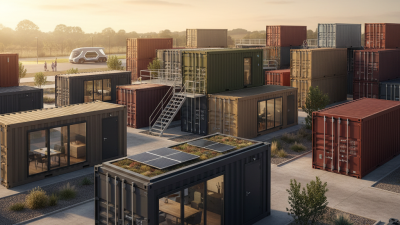
Sustainable features in container offices are evolving. Many incorporate solar panels for energy efficiency. Rainwater harvesting systems can help reduce water usage. However, not all designs incorporate these elements. Some container offices may still rely on traditional energy sources. This inconsistency highlights the need for continuous improvement in sustainable practices.
The interiors of these offices often feature recycled materials. This creates a unique aesthetic that feels both trendy and authentic. Nevertheless, the challenge remains to balance cost and sustainability effectively. Companies must evaluate their choices carefully. Eco-friendly innovations should not compromise comfort or functionality. The journey toward fully sustainable container offices is ongoing and requires collaboration and reflection.
Cost Analysis: Investing in Container Offices vs. Traditional Spaces
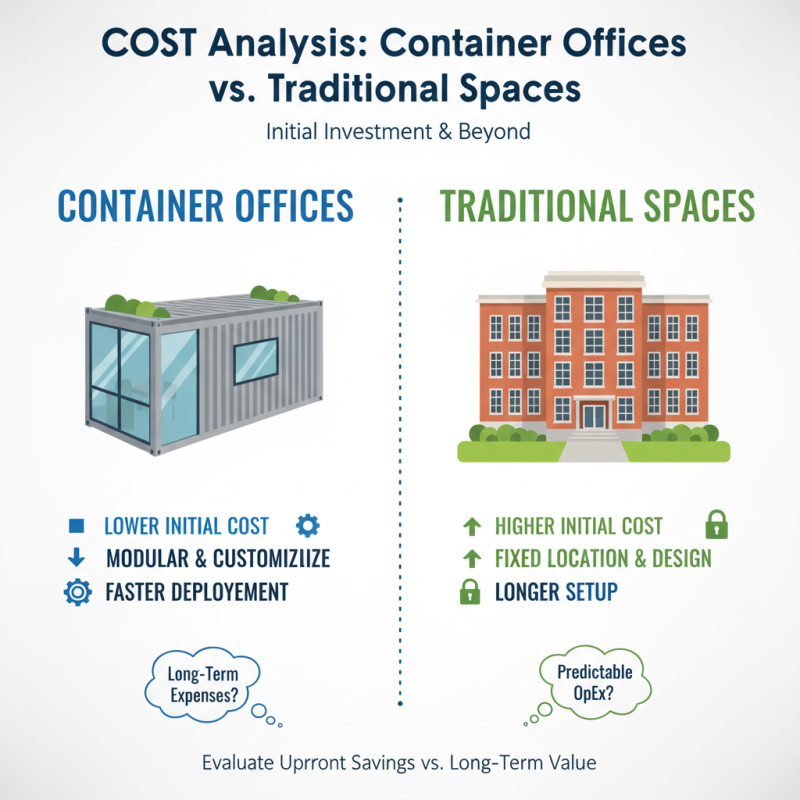
As businesses continue to adapt to changing work dynamics, many are considering container offices. These modular spaces offer a unique alternative to traditional office setups. They can be tailored to suit specific needs, often at a lower initial cost. However, potential buyers should think about long-term expenses.
The upfront cost of container offices might seem appealing. They often require less initial investment compared to conventional office leases. Maintenance costs can vary. A well-maintained container can last a long time. But what about the need for heating, cooling, and utilities? These factors can add up quickly.
Flexibility is a significant draw. Container offices can be moved or reconfigured easily. This is much harder with traditional structures. However, some might find it challenging to create a professional ambiance in a repurposed container. The aesthetic appeal can be a concern. Reflecting on these pros and cons is essential for any business considering such a move.