China Best Shipping Container Conversions for Global Buyers?
The trend of shipping container conversions has gained significant traction worldwide. In 2022, the global market for converted shipping containers was valued at around $500 million. This figure is projected to grow, driven by the increasing demand for innovative, sustainable housing and flexible commercial spaces. China, being a leader in manufacturing and trading containers, has positioned itself as a key player in this market.
Experts highlight that shipping container conversions offer remarkable versatility. They can transform into offices, homes, or retail spaces. Each converted unit showcases unique design possibilities. However, potential buyers must navigate factors such as insulation, structural integrity, and local regulations. There is also a need for careful sourcing to ensure quality in material and workmanship.
While many are drawn to the aesthetic and cost-saving benefits, challenges exist. Experience shows that not all conversions meet safety standards. Many projects require additional investments to address these issues. Buyers must be cautious and informed when selecting suppliers. Reliable partnerships will be crucial in achieving successful outcomes in the shipping container conversion market.
China's Leading Companies in Shipping Container Conversions
China has become a powerhouse in shipping container conversions, attracting global buyers with its innovative designs and competitive pricing. Industry reports indicate that the container conversion market is projected to grow by 5% annually over the next five years. Many companies are leveraging advanced technology and sustainable practices in their projects. This positions them as leaders in a rapidly evolving landscape.
Leading firms are not just focusing on aesthetics. They are prioritizing functionality and sustainability. For instance, some conversions emphasize energy efficiency through the use of solar panels. This adds significant value for buyers seeking eco-friendly solutions. However, challenges remain. Quality control can vary widely among suppliers.
Another aspect is the regulatory environment. Compliance with local laws is essential, yet inconsistent regulations across regions create obstacles. Understanding these nuances can be daunting for international buyers. They must navigate these complexities to make informed decisions. Reliable partnerships and thorough research are key to successful conversions in this competitive market.
China's Best Shipping Container Conversions
Innovative Designs and Uses of Converted Shipping Containers in China
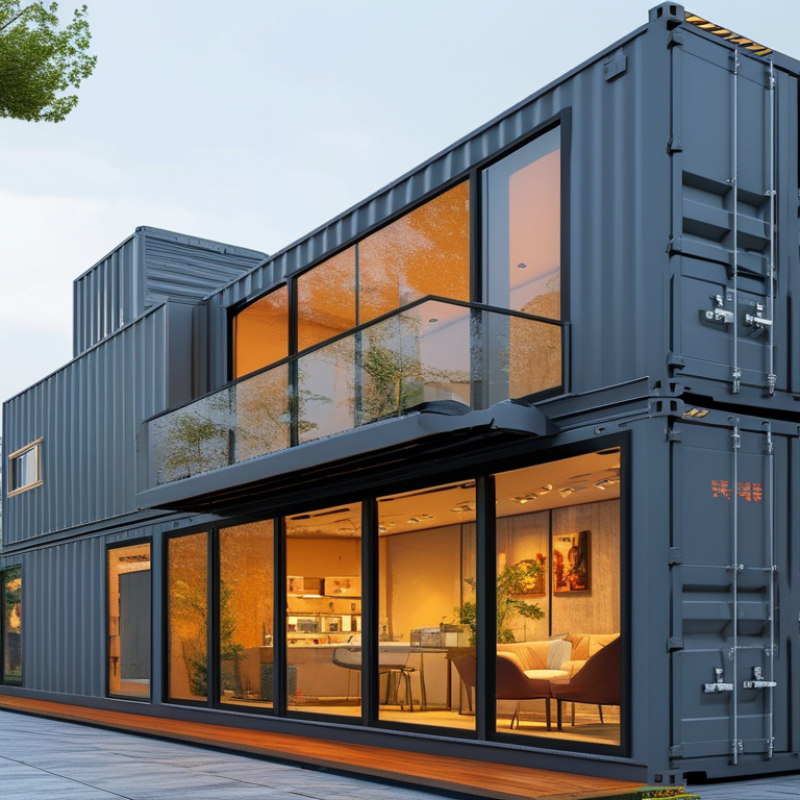
In recent years, China has emerged as a leader in shipping container conversions. The innovative designs created from shipping containers are reshaping various industries. These modifications range from homes to cafés and even pop-up shops. The versatility of containers allows for endless possibilities and unique transformations.
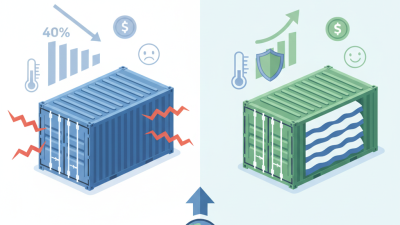
One notable transformation is the use of containers as mobile offices. These structures are compact, making them easy to transport. However, their design can sometimes lack adequate insulation. This results in uncomfortable working conditions during extreme weather. Additionally, some containers are poorly adapted for urban environments. They may not blend well with the existing architecture, leading to aesthetic concerns.
Several communities in China are adopting container solutions for affordable housing. This approach addresses housing shortages, but there are challenges. Some converted units do not meet local building codes. This raises questions about safety and reliability. Creative designs should prioritize functionality and habitability. An ideal container conversion balances form and function, ensuring comfort and compliance. The journey of transforming shipping containers is ongoing, requiring continuous innovation and reflection.
Cost Analysis: Shipping Container Conversions in the Global Market
Shipping container conversions have gained popularity among global buyers. Many see them as cost-effective solutions for various needs. However, a comprehensive cost analysis reveals significant variations in pricing, influenced by factors such as design complexity and material selection.
In China, the average cost of converting a container ranges from $3,000 to $10,000. Basic conversions may be cheaper, but custom designs easily escalate costs. Buyers often overlook additional expenses, like shipping and permits. It’s easy to underestimate these factors, which can add 20% to 30% to the overall price.
Quality is paramount in conversions. Not every supplier offers the same level of craftsmanship. Individuals should research thoroughly to ensure reliability. Engaging with experienced professionals can help navigate these complexities. A poorly constructed conversion can lead to safety and functionality issues, necessitating reflection on cost versus quality.
Sustainability and Environmental Impact of Container Conversions
Container conversions are making waves in sustainability. They provide alternative uses for shipping containers, reducing waste. These conversions can transform containers into homes, offices, or shops. This repurposing not only minimizes environmental impact but also promotes greener practices.
The process of converting containers often involves significant resources. Insulation, electrical work, and plumbing can add to the project’s carbon footprint. While they are a step towards sustainability, the conversion process needs careful planning. Local materials should be prioritized to lessen transportation impacts. Each project must consider the long-term environmental footprint.
Innovative designs can enhance sustainability. Incorporating green technologies, such as solar panels, makes conversions even more efficient. However, challenges remain in ensuring these installations are accessible to all. The right balance is necessary. Each conversion should aim for efficiency without compromising the environment. Continuous reflection is essential in this evolving field.
Case Studies: Successful Shipping Container Conversion Projects in China
Shipping container conversions have gained popularity, especially in China. There are several inspiring case studies that illustrate innovative projects. One remarkable example involved converting containers into vibrant pop-up shops. These shops attracted customers and created a unique shopping experience.
Another case study features a successful transformation into affordable housing units. This initiative addressed housing shortages while utilizing containers efficiently. The layout was designed to maximize space and comfort.
Tips: Focus on proper insulation when converting containers. Weather conditions can greatly affect comfort. Additionally, consider the local building regulations. Compliance is essential to avoid complications. Finally, use reclaimed materials whenever possible to enhance sustainability.