Discover the Best Uses for Free Shipping Containers in 2025
As we step into 2025, the utilization of free shipping containers is transforming the landscape of sustainable living and innovative construction. According to Samantha Lee, a leading expert in modular architecture and container repurposing, "Free shipping containers offer a unique solution to modern housing challenges while promoting environmental responsibility." This statement encapsulates the growing trend of leveraging these versatile structures for various applications, from affordable housing to creative workspaces.
The adaptability of free shipping containers is at the forefront of urban development conversations, as they present cost-effective options for addressing escalating housing demands. With their inherent durability and ease of modification, these shipping containers are being embraced by architects and builders alike, turning once-overlooked materials into cutting-edge designs. As we explore the best uses for free shipping containers in 2025, it becomes evident that their integration into our communities not only addresses practical needs but also aligns with a global shift towards sustainable living practices.
In this ever-evolving landscape, the potential for free shipping containers extends beyond mere housing solutions. They are becoming pivotal in creating eco-friendly businesses, educational centers, and even pop-up shops that resonate with the local culture. The versatility of containers is limited only by imagination, making them an invaluable resource in crafting the cities of the future.
Exploring the Growing Popularity of Free Shipping Containers in 2025
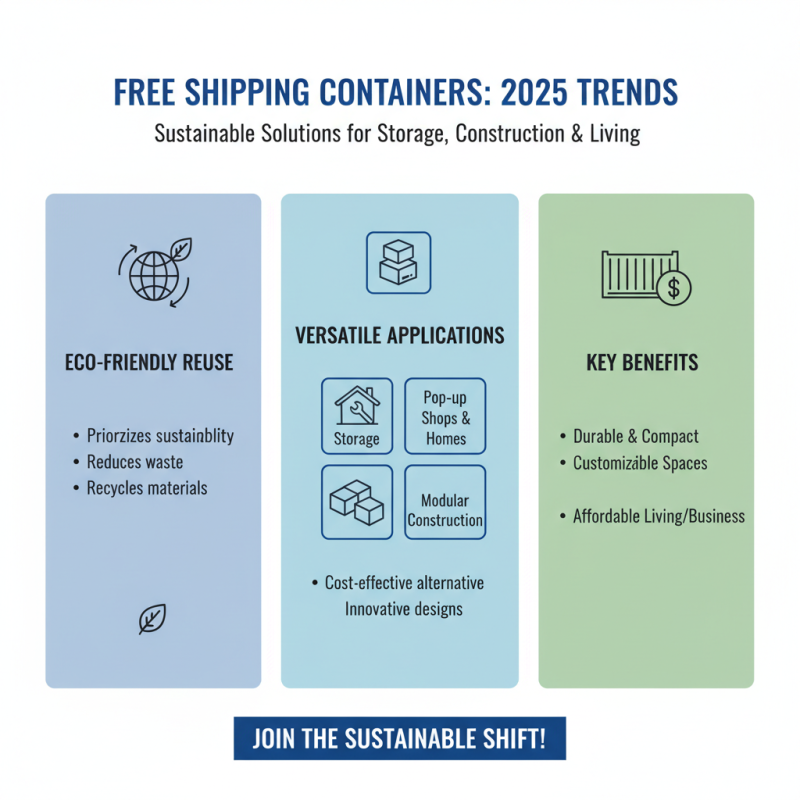
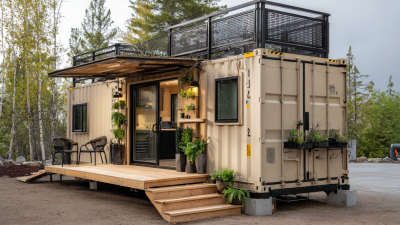
The growing popularity of free shipping containers in 2025 reflects a shift in how individuals and businesses approach storage, construction, and sustainable living. As communities increasingly prioritize eco-friendly solutions, the reuse of shipping containers has emerged as a versatile option. Not only do these containers provide a cost-effective alternative for storage, but they also serve as building blocks for various innovative projects, ranging from pop-up shops to tiny homes. The compact, durable nature of these units allows for creative architectural designs, meeting the needs of those looking for unique and customizable living spaces.
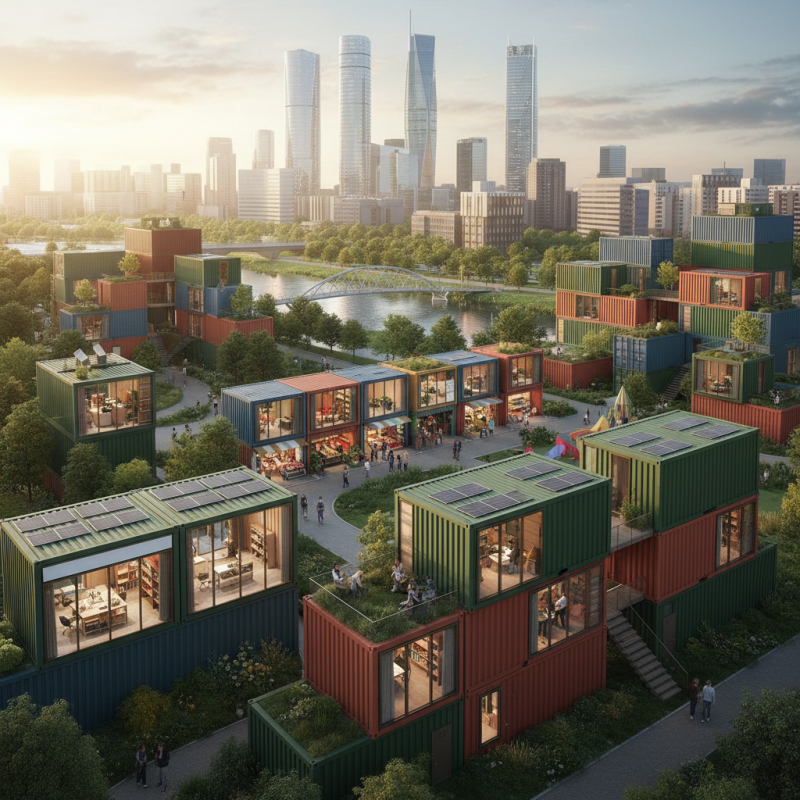
Moreover, the trend of utilizing shipping containers extends into the realm of community development. Urban areas are increasingly transforming vacant lots into vibrant spaces featuring container gardens, community hubs, and recreational areas. This trend fosters social interaction and provides an opportunity for local businesses to thrive in an unconventional environment. As municipalities recognize the benefits of repurposing shipping containers, initiatives promoting these practices are likely to multiply, contributing to a more sustainable urban landscape and stimulating economic growth.
Innovative Housing Solutions: Converting Shipping Containers into Homes
The trend of converting shipping containers into homes has gained significant traction in recent years, with the housing market continuously evolving to meet the needs of affordability and sustainability. According to a report by the World Bank, nearly 1.6 billion people lack adequate housing, highlighting an urgent need for innovative housing solutions. By utilizing repurposed shipping containers, which are often available at a fraction of the cost of traditional building materials, communities can address this pressing issue. Studies estimate that building a container home can be up to 50% less expensive than conventional construction, making it an attractive option for low-income families and individuals.
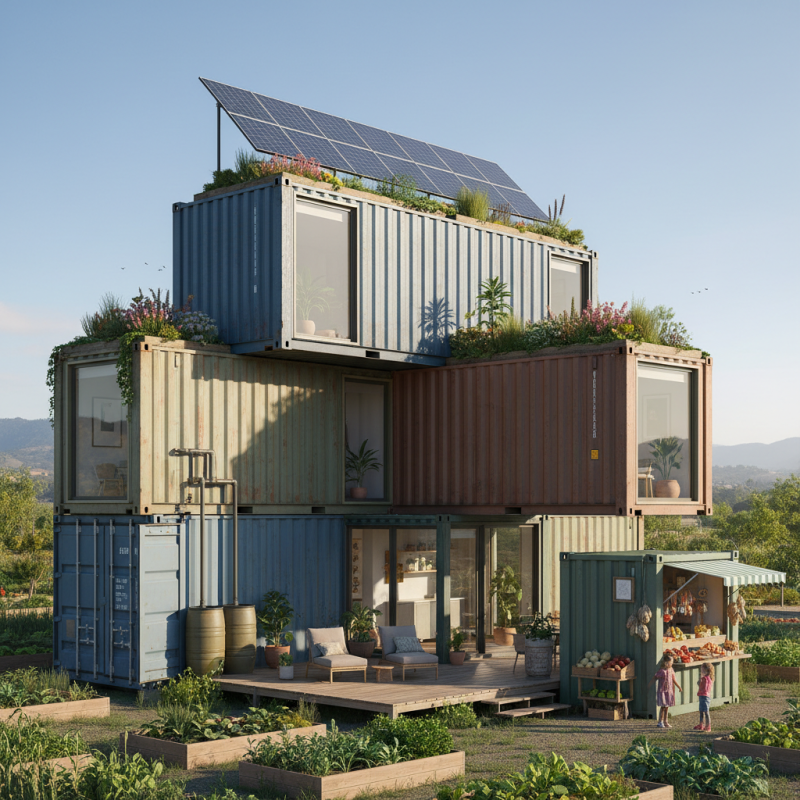
Moreover, shipping containers offer remarkable durability and versatility, allowing for creative designs that can adapt to various climates and environments. The International Organization for Standardization (ISO) has noted that these containers are designed to withstand extreme conditions, which translates into long-lasting, resilient housing. Additionally, shipping container homes can be outfitted with energy-efficient features, such as solar panels and rainwater collection systems, further enhancing their appeal in an environmentally conscious market. As urban populations grow and the demand for affordable housing rises, converting shipping containers into livable spaces presents a sustainable solution that balances cost, efficiency, and innovation.
Discover the Best Uses for Free Shipping Containers in 2025 - Innovative Housing Solutions: Converting Shipping Containers into Homes
| Use Case |
Description |
Advantages |
Estimated Cost |
| Residential Homes |
Converting shipping containers into single-family homes or multi-unit housing. |
Affordable, sustainable, and quick to build. |
$10,000 - $50,000 |
| Pop-Up Shops |
Using containers as mobile retail spaces for startups. |
Versatile, cost-effective, and attractive to customers. |
$5,000 - $20,000 |
| Offices |
Creating a workspace in a modified shipping container. |
Cost-efficient, portable, and easy to customize. |
$15,000 - $30,000 |
| Storage Solutions |
Using containers for storage in residential or business settings. |
Weatherproof and secure storage option. |
$2,000 - $5,000 |
| Community Centers |
Using multiple containers to create spaces for community engagement. |
Facilitates social interaction and economic growth. |
$20,000 - $100,000 |
Eco-Friendly Projects: Utilizing Shipping Containers for Sustainable Living
Shipping containers have emerged as a versatile solution for eco-friendly projects, providing an innovative approach to sustainable living. By repurposing these robust structures, individuals and communities can create affordable housing, community gardens, and even pop-up markets that emphasize environmental consciousness. Transforming shipping containers into living spaces not only reduces waste but also minimizes the carbon footprint associated with conventional construction methods. These homes can be further enhanced with sustainable practices, such as incorporating solar panels, rainwater harvesting systems, and green roofs, making them a unique blend of functionality and environmental stewardship.
Beyond housing, shipping containers offer inventive opportunities for urban agriculture. They can be converted into greenhouse-like environments that allow for year-round growing, helping to address food scarcity in urban areas. Utilizing shipping containers for farming reduces the need for extensive land use and promotes local food production, which is essential for sustainable living. Community-supported agriculture initiatives can leverage these mobile gardens to connect residents with fresh produce while fostering a sense of community and environmental awareness. The adaptability of shipping containers showcases their potential not just as a resource but as a catalyst for positive change in sustainable living practices.
Commercial Applications: Shipping Containers in Retail and Pop-Up Shops
Shipping containers have emerged as a versatile solution for businesses looking to innovate in the retail space. With the rise of pop-up shops and mobile retail concepts, these containers provide a unique and cost-effective way to showcase products. Their modular design allows for easy customization, enabling retailers to create an inviting atmosphere that attracts customers. Whether you’re launching a limited-time offer or expanding into new markets, converting a shipping container into a retail space can strike the perfect balance between creativity and practicality.
Tips: When designing your shipping container retail space, consider using large windows to maximize natural light and visibility. This will not only enhance the shopping experience but also draw in foot traffic. Additionally, think about sustainable practices—using reclaimed materials for interior décor can minimize your environmental footprint while adding character to your shop.
Pop-up shops also benefit from the mobility of shipping containers. Businesses can strategically position their shops in high-traffic areas, allowing for targeted marketing and increased exposure. The ease of setting up and dismantling these containers means that you can test multiple locations and demographics, adapting quickly based on customer feedback and sales performance. This flexibility can be a game changer for small brands looking to grow without the commitment of long-term leases.
Tips: Keep your branding consistent across different locations. A coherent visual identity will help establish brand recognition, encouraging customers to return regardless of where they encounter your pop-up. Also, leverage social media to create buzz ahead of your launch, inviting local influencers to preview your container shop before it opens.
Creative Community Spaces: Designing Parks and Recreational Areas with Containers
As communities seek innovative solutions to create engaging public spaces, free shipping containers have emerged as a versatile option for designing parks and recreational areas. These containers can easily be transformed into vibrant hubs for community gatherings, sports activities, and creative workshops. By repurposing shipping containers, local governments and organizations can create unique environments that promote social interaction and well-being.
When designing a community space using shipping containers, consider incorporating elements that encourage inclusivity and accessibility. Use clear signage and pathways to guide visitors, ensuring that all areas are navigable for individuals with varying abilities. Additionally, cozy seating areas with greenery can foster a welcoming atmosphere, inviting people to relax and connect.
**Tips:** Always involve community members in the design process to ensure the space meets their needs and desires. Consider using containers as multifunctional spaces; for example, a container can serve as a café during the day and transform into an art gallery in the evening. Engaging local artists to decorate the containers can also enhance the aesthetic appeal, making these spaces not just functional but also visually inspiring.
Creative Community Spaces: Uses of Free Shipping Containers (2025)