How to Build Shipping Container Buildings for Affordable Housing Solutions?
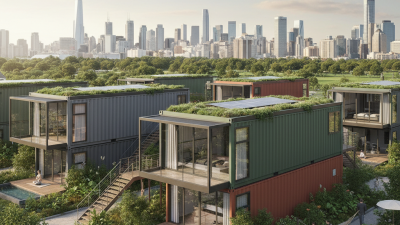
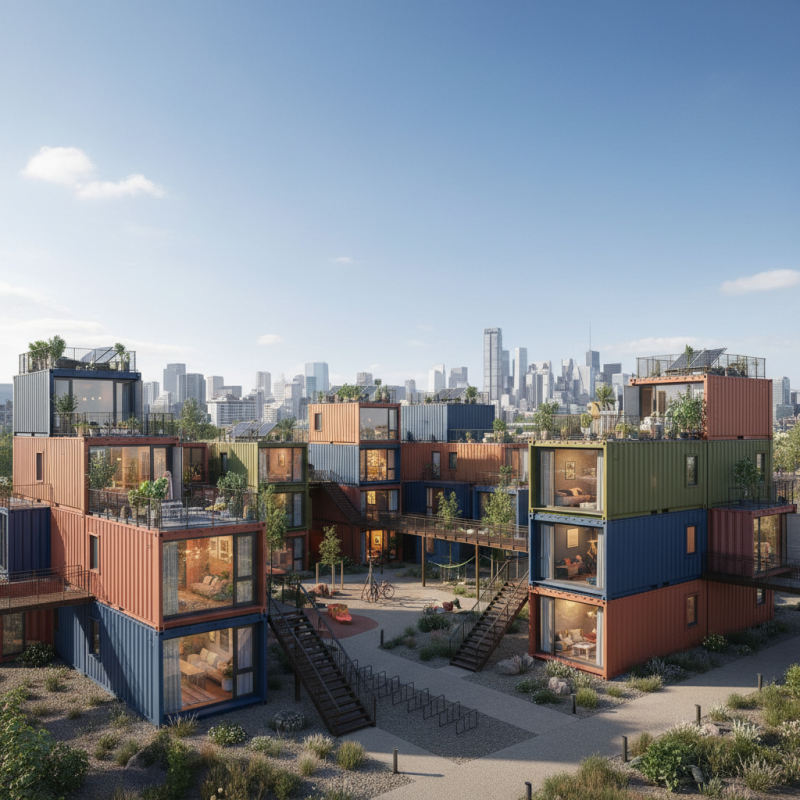
Shipping container buildings are gaining popularity as a unique solution for affordable housing. These structures are made from repurposed shipping containers, offering cost-effective and sustainable living options. They can be transformed into stylish homes or functional community spaces. With rising housing costs in many urban areas, shipping container buildings present a viable alternative.
The appeal of shipping container buildings lies in their versatility. They can be configured in various layouts to suit individual needs. Additionally, these structures can be manufactured quickly and assembled on site. However, there are challenges to consider. Local zoning laws can complicate installation. Also, insulation and climate control are issues that require careful planning.
Building with shipping containers can lead to innovative designs. Their industrial look appeals to some, but others may find it uninviting. The concept is still evolving, and there is room for improvement. It is essential to address these concerns for future development. As we explore affordable housing solutions, shipping container buildings undoubtedly offer a noteworthy option worth considering.
Understanding the Basics of Shipping Container Construction
Shipping container construction offers a unique solution for affordable housing. These structures are widely recognized for their sustainability and cost-effectiveness. According to a report by the Global Container Housing Association, building with shipping containers can be up to 30% cheaper than traditional methods. The versatility of shipping containers allows for various design options, from single-unit homes to multi-story complexes.
Understanding the basics of container construction is crucial. Containers are durable, resistant to elements, and easily transportable. However, they come with challenges. Insulation is paramount, as metal containers can become unbearably hot or cold. Studies show that proper insulation can reduce energy costs by up to 40%. Additionally, building codes can complicate container projects. Not all regions have comprehensive regulations for such structures. This lack of clarity can lead to setbacks.
Modifications are often necessary to meet safety standards. Cutting through a shipping container may weaken its structural integrity. This is a key point to consider during planning. Each project should prioritize both aesthetics and safety. Furthermore, not all containers are created equal. Some may have wear and tear that could complicate renovation efforts. Understanding these nuances is essential for successful container housing solutions.
Evaluating the Suitability of Shipping Containers for Housing
Shipping containers are gaining traction as a viable solution for affordable housing. The global housing crisis demands innovative approaches, and shipping containers present an interesting option. According to a report by the World Bank, an estimated 1.6 billion people globally lack adequate housing. This includes an overwhelming number of low-income families. Shipping containers can convert into livable spaces at a fraction of traditional construction costs.
Containers are built from steel, making them durable and robust. They are designed to withstand harsh weather and can easily be transported. Despite their resilience, proper insulation and ventilation are crucial for comfort. The American Housing Survey states that around 12% of U.S. households experience housing insecurity. Combining containers with sustainable practices can address affordability and environmental concerns.
However, there are challenges. Not all containers are suitable for housing. They need modifications for plumbing and electricity, which may increase costs. Local zoning laws can also restrict their use. These factors reveal a need for careful planning and community involvement. It's essential to evaluate the long-term livability of container homes beyond initial construction costs.
Planning and Designing a Shipping Container Home
Designing a shipping container home involves numerous considerations. Begin by assessing the location and environment where you plan to build. Is there enough space for multiple containers? What about access to utilities? Planning requires careful thought about layout and functionality. Each container offers unique possibilities. You can stack them, arrange them in an L-shape, or even use a single container for a minimalist design.
Attention to detail is vital in the design phase. Consider natural light and ventilation. Open windows can transform a compact space. Use sliding doors to enhance flow between areas. Depending on your needs, you may want to add insulation. Some people overlook this, leading to uncomfortable living spaces. Remember, comfort should not be an afterthought.
It's essential to plan for plumbing and electrical needs. These systems can be tricky to install in containers. You might need professionals for help. If you're securing a budget, factor in these costs early on. This phase is often underestimated. Ignoring costs can lead to frustration later. Good design balances aesthetics and practicality. Flexibility and creativity will be your best tools in this process.
Construction Costs of Shipping Container Homes
This chart shows the estimated construction costs associated with building a shipping container home based on different factors including site preparation, insulation, interior finishing, and utility installation.
Key Structural Modifications for Container Building Safety
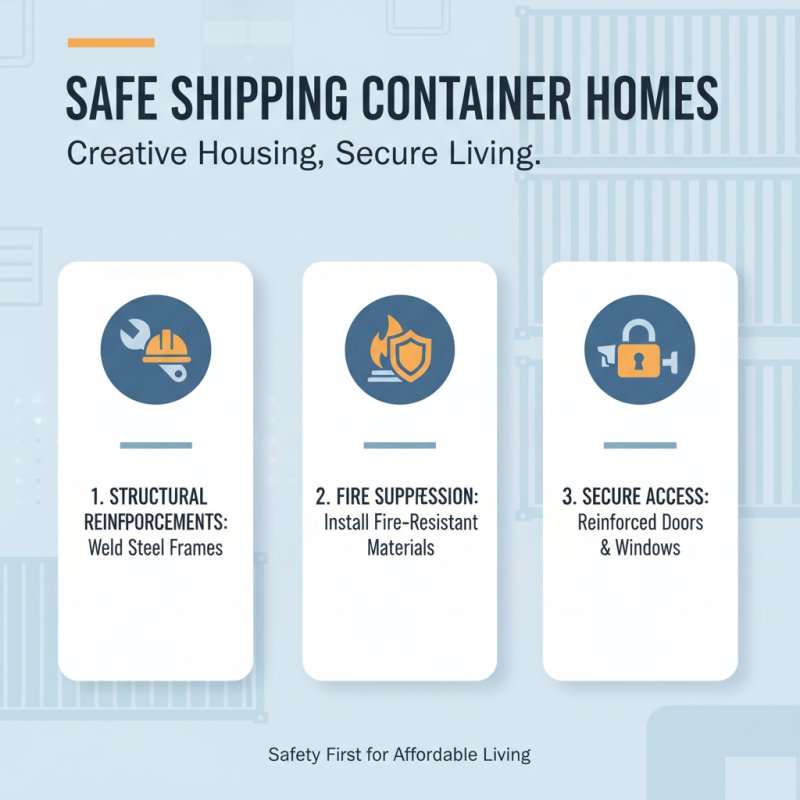
Building shipping container homes is a creative way to address affordable housing. However, safety is paramount. Key modifications are essential to ensure these structures are secure.
One critical modification involves reinforcing container corners. Containers are designed for stacking. This means their corners bear most weight. Adding steel reinforcements can prevent potential structural weaknesses. Also, cutting windows or doors requires careful planning. Without proper support, walls may buckle. Always consult a professional before making such adjustments.
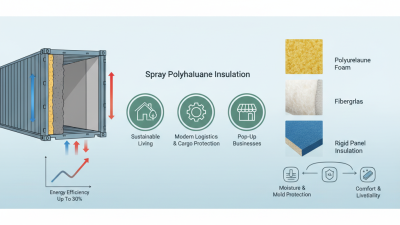
Ventilation is another important aspect. Containers retain heat. Adding ventilation options can improve air quality. Insulation materials are essential too. Spray foam or rigid board types can make a difference. These choices can prevent overheating or condensation issues inside the containers. However, insulating too much can lead to other problems, such as poor airflow. Each choice should be weighed carefully.
Legal Considerations and Zoning Regulations for Container Homes
When considering shipping container buildings for affordable housing, legal aspects are crucial. Zoning regulations often dictate where these structures can be placed. Many areas have strict guidelines. Some locations may not allow container homes at all. It’s essential to research local laws before starting a project.
Additionally, building codes can vary significantly between regions. These codes include safety requirements and health standards. Some places require a foundation, while others may not. Understanding these codes can save time and resources. Permitting processes might also take longer than expected. Engaging with local authorities early on is wise.
Potential setbacks can arise when coordinating with neighbors. They may have concerns about aesthetics or property values. Creating a dialogue can mitigate conflicts. Always be prepared for pushback, as reactions vary. Building container homes can be rewarding but requires patience and flexibility. Understanding all legal nuances is vital for success.
How to Build Shipping Container Buildings for Affordable Housing Solutions? - Legal Considerations and Zoning Regulations for Container Homes
| Aspect |
Details |
| Legal Considerations |
Ensure compliance with local building codes and safety regulations. |
| Zoning Regulations |
Check for zoning laws that permit container homes in your area. |
| Permits Required |
Obtain building permits from local authorities before construction. |
| Building Codes |
Follow the International Building Code (IBC) standards, adapted for container structures. |
| Environmental Impact |
Conduct an environmental assessment if required by local laws. |
| Foundation Requirements |
Determine the needed foundation type based on soil conditions and container weight. |
| Utilities Installation |
Plans must include secure electrical, plumbing, and HVAC systems as per local standards. |
| Insurance Requirements |
Check with insurance providers for coverage options for container homes. |