How to Buy Second Hand Shipping Containers Worldwide?
In the world of logistics and construction, "second hand shipping containers" have gained immense popularity. Industry expert, Sarah Johnson, an analyst with 15 years of experience, emphasizes this trend: “Purchasing second hand shipping containers can be both economical and sustainable.” As businesses seek cost-effective solutions, the market for used containers is thriving.
These containers are versatile, serving as storage units, offices, and even homes. Buyers can find them in various conditions, making it crucial to assess their quality. Not every container is suitable for immediate use, and some may require repairs. This demand for second hand shipping containers leads to a complex market, filled with both reputable suppliers and less scrupulous sellers.
Understanding how to navigate this market is essential. Factors like location, container condition, and supplier reliability can impact your purchase. With the right knowledge and resources, acquiring second hand shipping containers can be a rewarding experience that balances cost, quality, and environmental responsibility.
Understanding the Global Market for Second Hand Shipping Containers
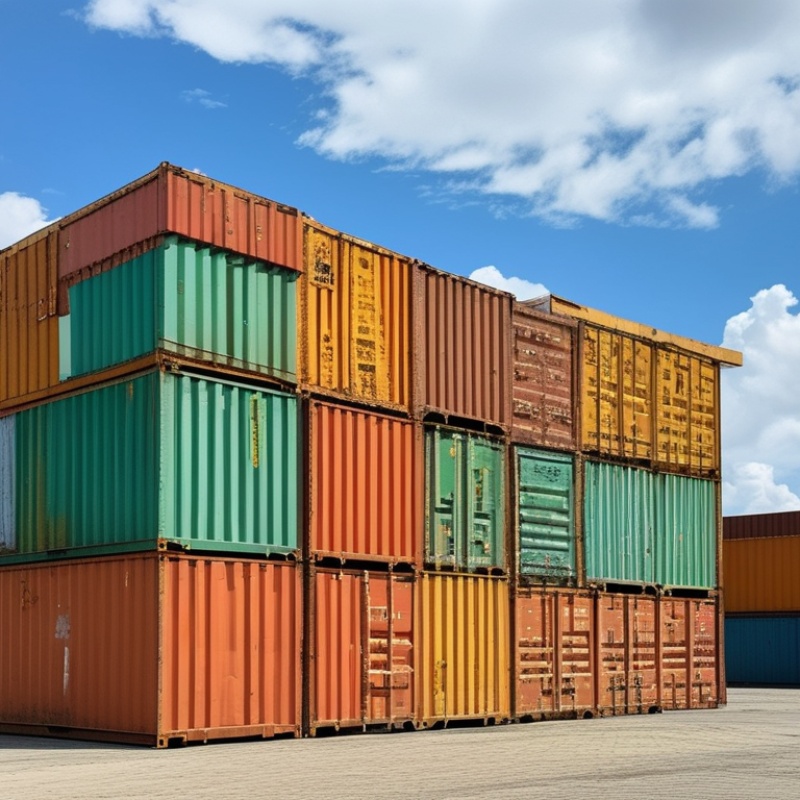
The global market for second hand shipping containers is diverse and constantly evolving. These containers serve various purposes, from storage solutions to creative housing projects. Understanding regional markets is vital before making a purchase. In Europe, containers may be more pricey due to higher demand. Conversely, regions like Asia often offer more competitive pricing.
When buying, consider the container's condition. Look for rust or structural issues. These factors significantly affect usability. Hiring experts for inspections can help avoid costly mistakes. Check local regulations, as not all areas permit container modifications. Some buyers have faced challenges when local authorities enforce strict codes.
Buying internationally requires logistical planning. Shipping costs can add up, impacting your budget. Ensure you factor these expenses when evaluating pricing. Not all sellers provide transparent information, so establishing trust is crucial. Some customers have reported issues with misleading descriptions. Always ask for detailed photos and certificates of authenticity. This diligence can save time and resources in the long run.
Key Factors Influencing the Price of Used Shipping Containers
When purchasing a used shipping container, several key factors influence its price. Condition is one of the most significant aspects to consider. A well-maintained container will naturally cost more. Look for signs of rust, water damage, or structural issues. Inspecting the interior is essential too. A clean and dry inside indicates better care.
Another element impacting pricing is the size of the container. Standard options include 20-foot and 40-foot sizes. Typically, larger containers command higher prices. However, specific needs may justify the extra cost. Moreover, local market demand plays a crucial role in pricing. In regions with high demand, prices might exceed average rates.
Transportation costs can also add to expenses. If a container is located far away, delivery fees might be significant. Evaluating these factors before making a purchase can lead to a more informed decision. Remember, unexpected costs may arise, so it's wise to stay flexible.
Key Factors Influencing the Price of Used Shipping Containers
This bar chart illustrates the key factors influencing the price of used shipping containers. Each factor is represented as a percentage of influence on overall pricing.
Where to Find Reliable Second Hand Shipping Container Suppliers
When searching for reliable second-hand shipping container suppliers, it’s important to do thorough research. Many suppliers can appear trustworthy online. However, some may not meet safety standards or provide quality containers. Look for suppliers who have a strong reputation in the industry. Checking customer reviews can help you gauge their reliability.
Visiting local depots or storage facilities is another method to find quality containers. Inspecting the containers in person allows you to assess their condition directly. Check for rust, damage, or signs of leaks. Take your time during this process. Don't rush into decisions.
Conducting proper background checks on suppliers is crucial. Verify their business credentials and ask for references. A reliable supplier should not hesitate to provide information about their operations. Establishing open communication can reveal a lot about their reliability. Trust your instincts—if something seems off, it probably is.
Evaluating the Condition and Specifications of Used Containers
When purchasing second-hand shipping containers, evaluating the condition is crucial. Start with a thorough visual inspection. Look for rust, dents, and structural damage. A container can be deemed "one trip" if it has been used only once. According to industry reports, containers that have seen fewer trips typically command higher prices but offer better longevity.
Understanding the specifications is equally important. Check the container’s size and type. Standard containers come in 20-foot and 40-foot variants. Each measurement affects storage capacity and shipping costs. Do not overlook the door’s functionality. A well-working door ensures easy access. Some containers might have leaks, which can lead to significant problems, especially if you plan to store valuables inside.
Finally, consider the history of the container. Containers that have traveled in harsher climates may have more wear and tear. In a recent survey, over 30% of buyers reported issues due to neglect of these factors. Opt for containers with transparent histories. This can save you unexpected repair costs down the line.
Transport and Logistics: Getting Your Second Hand Container Home
When considering second hand shipping containers for your home, logistics play a crucial role. Each container weighs about 2,500 kg and can be transported easily. However, you need to choose a reliable shipping service. According to a 2022 report from the International Maritime Organization, global shipping costs can fluctuate. It's essential to factor in these variations when budgeting for your project.
You’ll also need to evaluate the location of purchase and the destination. Transportation from a port to your site may incur additional fees. For instance, average costs for transporting a container within North America range from $250 to $1,000, depending on distance. The quality of the container is essential too. Many sellers may offer "as-is" containers, which can present hidden challenges. Inspecting the container before purchasing can prevent future headaches.
Also, remember to think about local delivery options. Some areas may not support heavy vehicle access, making delivery tricky. Researching local logistics providers is vital. Issues like these can reflect on your overall planning process. You might find that unexpected expenses arise, highlighting the need for thorough foresight.
How to Buy Second Hand Shipping Containers Worldwide? - Transport and Logistics: Getting Your Second Hand Container Home
| Country |
Average Price (USD) |
Container Size (ft) |
Condition |
Availability |
| USA |
$2,500 |
20 |
Used |
High |
| Australia |
$3,000 |
40 |
Excellent |
Moderate |
| United Kingdom |
£1,800 |
20 |
Fair |
High |
| Canada |
$2,800 |
40 |
Used |
Low |
| Germany |
€2,200 |
20 |
Good |
Moderate |