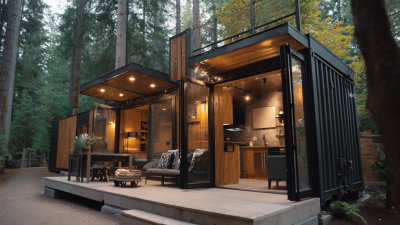
Why Choose Container Buildings for Your Next Project?
Container buildings are rapidly gaining popularity in the construction industry. Their adaptability and sustainability make them an attractive choice for various projects. According to expert Mark Wilson, a leading architect in the container building field, “Container buildings offer innovative solutions for modern needs.” His insights reflect the growing trend toward eco-friendly designs.
These structures provide unique solutions. They can be easily modified to suit different purposes, ranging from homes to offices. Container buildings often use recycled materials, reinforcing their environmental benefits. Yet, some still question their durability. It's important to address these concerns by understanding the design principles and construction techniques involved.
As container buildings evolve, they present new opportunities for creativity and functionality. However, challenges remain. Balancing aesthetics with practicality can be difficult. Understanding the industry’s best practices is crucial for successful implementation. Embracing container buildings could lead to a more sustainable future in construction.
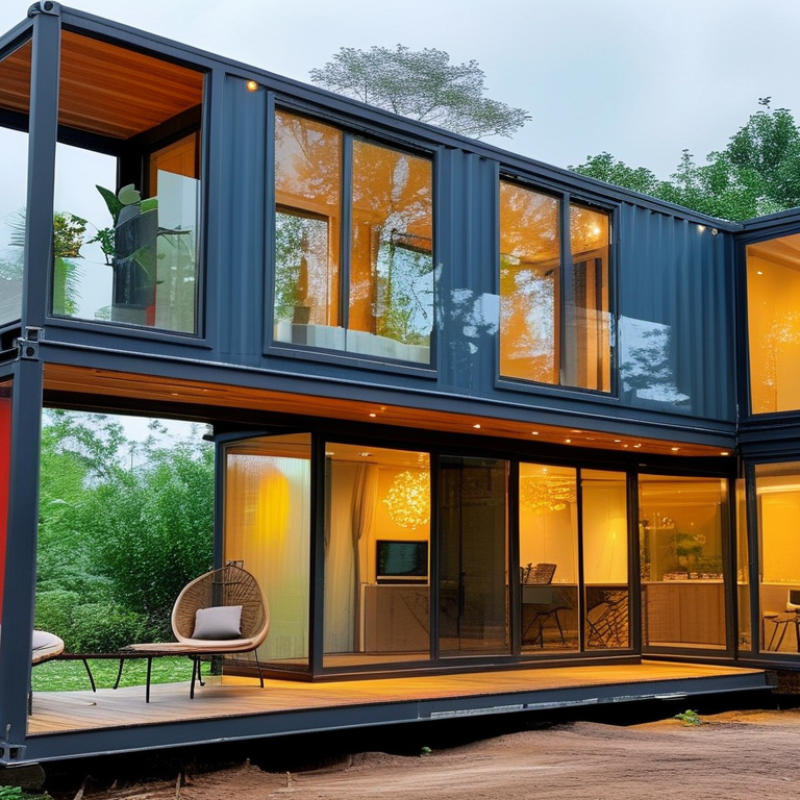
Benefits of Container Buildings: An Overview of Sustainability and Cost-effectiveness
Container buildings are gaining attention for their sustainable and cost-effective solutions. They utilize repurposed shipping containers, which reduces waste. This reusability not only minimizes environmental impact, but also supports an efficient construction process. These structures can be modified easily. Adding windows, doors, or insulation is straightforward. This flexibility allows for creative designs tailored to specific needs.
The cost-effectiveness of container buildings is notable. They often require less material than traditional buildings, saving both time and money. Additionally, construction time is significantly reduced. A project that might take months can be completed in weeks. This swift turnaround can be critical for businesses needing quick expansions.
However, it's essential to consider potential challenges. While containers offer durability, they may require extensive insulation in colder climates. Some individuals may find their aesthetic unappealing. Local building codes can create unexpected obstacles. It's important to thoroughly research and plan before committing. Despite these considerations, container buildings remain a viable option for many projects.
Why Choose Container Buildings for Your Next Project? - Benefits of Container Buildings: An Overview of Sustainability and Cost-effectiveness
| Benefit |
Description |
Sustainability Impact |
Cost-effectiveness |
| Eco-friendly Materials |
Utilizes recycled shipping containers, reducing waste. |
Highly sustainable; lowers carbon footprint. |
Lower initial material costs. |
| Speed of Construction |
Rapid assembly and customization options available. |
Reduced time on-site; minimizes environmental disruption. |
Faster project completion lowers overall costs. |
| Durability |
Strong steel structure that withstands harsh conditions. |
Long lifespan contributes to resource efficiency. |
Reduces maintenance and replacement costs. |
| Flexibility |
Easily modifiable for different uses (homes, offices, etc.). |
Supports modular design, enhancing reuse potential. |
Cost savings through adaptability to new needs. |
| Transportability |
Can be easily transported to different locations. |
Promotes sustainable site selection and use. |
Cost-effective for projects in remote locations. |
Key Statistics on Container Construction: Market Growth and Industry Trends
Container construction is gaining momentum in recent years. The global market for container buildings is projected to reach approximately $73 billion by 2027. This reflects a compound annual growth rate (CAGR) of over 6% from 2020 to 2027. This rapid growth signals a shift in how we approach building design and functionality, highlighting container buildings’ rising prominence in sustainable architecture.
One significant trend is the growing demand for eco-friendly construction. Container buildings can reduce carbon footprints. In fact, repurposing a single shipping container can cut down on waste and lower energy consumption. According to industry reports, around 60% of builders prioritize sustainability in their projects. This shift influences material selection and construction methods. More professionals are now recognizing the potential of containers as viable living and working spaces.
Challenges still exist in this sector. Regulations can vary greatly by region. Concerns over insulation and climate control in container buildings must be addressed. Despite these obstacles, innovative designs continue to push boundaries. The versatility of container buildings allows for unique and creative solutions in both urban and rural settings. These dynamics illustrate the complex yet promising landscape of container construction.
Design Flexibility: Customization Options for Container Buildings
Container buildings have become a popular choice for modern projects. One major appeal is their design flexibility. These structures can be customized to fit unique needs. Whether it's for a home, office, or retail space, various modifications can be made. The exterior can be painted in different colors. Windows and doors can be strategically placed for better aesthetics.
Inside, the layout can be rearranged easily. Compartments can be created for different functions, promoting efficiency. Some designs even incorporate sustainable materials, enhancing the project's eco-friendliness. However, achieving the perfect design may take time and exploration. Clients often realize their initial plans might need tweaking to meet functional requirements.
Another aspect to consider is insulation and ventilation. Proper planning is crucial for comfort in various climates. Some may overlook these details in their enthusiasm. It’s essential to remember that flexibility can lead to challenges, requiring careful thought. Engaging with design experts can help navigate these complex decisions, ensuring the final product meets expectations.
Design Flexibility in Container Buildings
This bar chart displays the various customization options available for container buildings, highlighting flexibility in design, from modular architecture to personalized interiors and sustainability features. Each option shows its scoring on a scale of 100, illustrating the potential for customization in your next project.
Construction Speed: Comparing Container Buildings to Traditional Methods
Container buildings are gaining attention in the construction world. They offer a faster alternative to traditional building methods. The prefabricated nature of these structures allows for quick assembly. This can significantly reduce project timeframes. For example, a container office can be set up within days, compared to weeks or months for a conventional building.
The speed of construction is linked to the reduced need for on-site labor. Once the containers are prepared, they are delivered to the site. There’s less waiting on various tradespeople to complete their tasks. This streamlined process can lead to fewer delays. However, it does require careful planning upfront. Missteps in design could lead to unforeseen challenges later on.
Moreover, while the speed is impressive, it raises questions about quality. Some may worry that rushing through construction compromises durability. Ensuring that proper materials and techniques are used is crucial. Balancing speed with quality control is essential for long-term success. Container buildings can provide quick solutions, but they must be built with care and foresight.
Environmental Impact: Energy Efficiency and Waste Reduction in Container Use
Container buildings are gaining momentum for their sustainable advantages. When we look at energy efficiency, these structures often outperform traditional buildings. They are designed to be modular, allowing for better insulation and energy conservation. This means reduced heating and cooling costs, ultimately leading to a smaller carbon footprint.
Waste reduction is another critical factor. Utilizing shipping containers repurposes steel that would otherwise contribute to waste. The process of modifying these containers often results in minimal construction waste. However, it's important to acknowledge that not all modifications are environmentally friendly. Some insulation materials and finishes might lack eco-credentials, leading to regrettable choices.
These structures encourage innovative design while posing challenges in sourcing sustainable materials. It’s essential to conduct the right research and ensure that modifications align with eco-friendly practices. As the popularity of container buildings rises, so does the responsibility to make informed, sustainable decisions. Embracing this form of construction can create a lasting positive impact on our environment.