How to Choose a Small Shipping Container in 2026
Choosing a small shipping container starts with a clear question: what needs to fit inside, and where will the unit sit? In 2026, buyers can compare new and used options, but labels alone rarely tell the whole story. A “small” container may still be heavy, difficult to place, or too narrow for bulky equipment. Measure the intended contents, including doors, handles, and any space needed to move items safely.
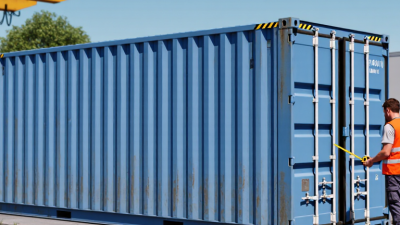
Then check the container’s actual external and internal dimensions. A few inches can affect access, storage, and delivery. Small details matter. Look for sound door seals, straight corner posts, a level floor, and visible signs of corrosion or previous repairs. Ask the seller for clear photos and written measurements; when possible, inspect the unit in person. Photos can hide wear.
Delivery also deserves early attention. Confirm the truck’s access route, overhead clearance, ground firmness, and the space required to unload. A narrow driveway or soft lawn may change the delivery plan. Get delivery charges and site requirements in writing, and ask what happens if the truck cannot reach the planned location.
Finally, compare total cost rather than purchase price alone. Include transport, placement, preparation, and any modifications you genuinely need. This guide explains how to match container size and condition to your site, budget, and intended use. Some trade-offs are unavoidable: the lowest-cost unit may need more attention, while a newer one may exceed your budget. Check the details carefully, and leave room to reconsider.
Define Your Storage or Shipping Needs
Before comparing small container sizes in 2026, define what you need it to hold and how you’ll use it. List the items, then measure the largest one, including handles or packaging. A compact unit may fit on paper but still leave too little room to load boxes safely. Add space for access, not just storage. Don’t guess.
Storage and shipping call for different checks. For stationary storage, consider how often you’ll open the doors and whether shelves or bins need to fit inside. For transport, note the packed weight and confirm the container’s dimensions work with your loading method and delivery site. Access matters. A narrow doorway or uneven driveway can turn a suitable container into a frustrating choice.
Think about the contents’ sensitivity to moisture, heat, and dust. Paper goods and tools may need different protection from sturdy outdoor equipment. Check the interior and door-opening measurements, not only the exterior dimensions; usable space is smaller. A common oversight is measuring the items but not the route they must travel through the doorway. I’d recheck that measurement before ordering, even when the container seems obviously large enough.
Choose the Right Container Size and Type
Choose by usable interior space, not the size printed on the door. ISO 668 gives a standard 20-foot container external dimensions of about 6.06 m long, 2.44 m wide, and 2.59 m high. Interior space is smaller because of wall thickness and door framing. Measure the largest item, then check the door opening and loading access. Measure twice. A 10-foot unit can suit a narrow driveway or compact storage area, but local availability may be limited. The Bureau International des Containers’ 2023 Container Census estimated the global fleet at about 50.9 million TEU; that large total does not mean every size is easy to source nearby.
Match the type to the cargo and site. A dry container is a practical choice for boxed goods and ordinary storage. A high-cube model adds headroom, but confirm that delivery equipment and overhead clearance can handle it. Refrigerated units control temperature, yet need power and usually offer less usable room because of their insulation and machinery. Check payload limits, floor condition, ventilation needs, and the turning space required by the delivery truck. It is easy to focus on length and miss the door clearance. A small unit that fits the cargo but cannot reach the site is no bargain.
Check Condition, Materials, and Security Features
When choosing a small shipping container, inspect it in daylight and check the roof, corner posts, door frame, and underside for rust, dents, or fresh patching. Surface paint can flatter a tired box. Look closely. On the floor, press near the edges and inspect plywood for soft spots, swelling, or oil stains. Ask whether the container is intended for storage or transport; a valid safety approval plate matters when it will be moved by sea. The World Shipping Council’s 2023 report estimated an average of 1,566 containers lost at sea each year from 2008 to 2022. That figure describes shipping losses, not the condition of containers offered for sale, but it is a reminder that transport equipment faces rough handling.
Material and security details deserve equal attention. Most small units use corrugated steel walls, but corrosion around seams and welds can be harder to spot than broad surface rust. Open and close both doors several times. They should move without lifting, scraping, or forcing the locking bars. Check hinges, seals, and the lockbox; a lockbox shields a padlock from direct access, but it cannot compensate for a weak frame. For containers used in international cargo transport, ISO 17712 specifies requirements for high-security mechanical seals. A seal is not a substitute for a sturdy lock or a sound door. Take photos of defects before purchase, and get repairs and delivery costs in writing. I might still miss a hidden floor problem, so an independent inspection can be worthwhile.
Choosing a Small Shipping Container: Standard External Dimensions
For a compact, widely available option, a standard 20-foot dry container is about 6.06 m long, 2.44 m wide, and 2.59 m high externally. Dimensions are nominal and may vary slightly by unit; check the container’s specification plate. Before buying, inspect the floor, doors, seals, and frame for damage or corrosion, and look for a lockbox or other reinforced locking protection.
Confirm Site Access, Delivery, and Local Requirements
A small shipping container still needs a clear route to its final position. Measure the gate opening, driveway width, overhead branches, and turning space before ordering. A delivery truck may need more room than the container itself. Check for low wires and soft ground, too. One wet patch can change the whole plan.
Ask the delivery provider what vehicle and unloading method they expect to use. Share photos of the entrance, slopes, and intended placement area, then confirm whether the truck needs to reverse or use lifting equipment. Keep parked cars, bins, and loose materials out of the route on delivery day. Small details matter. I once assumed a narrow side path would work; measuring it properly would have saved time and an awkward change of plan.
Local requirements vary by location and intended use. Contact the relevant municipal office or property manager to ask about permits, setbacks, drainage, and restrictions on visible structures. Get guidance before preparing a base or scheduling delivery. Also check underground utilities before digging. Requirements can feel like paperwork for a simple box, but overlooking them may mean moving it later. Don’t rely on a neighbor’s experience alone; their lot and use may be different from yours.
Compare Total Costs, Suppliers, and Purchase Terms
How to Choose a Small Shipping Container in 2026
Compare Total Costs, Suppliers, and Purchase Terms
A small container can look affordable until delivery is added. Compare the full landed cost, not just the listed price. Ask each supplier to itemize the unit, transport, placement, fees, and any site preparation. A quote marked “delivery included” still needs clarification. Does that cover a narrow driveway, unloading, and positioning? Measure the access route, gate width, overhead branches, and ground before ordering. Small details matter.
Compare suppliers on condition descriptions, written photos, delivery windows, and response quality. Ask whether the unit is new, one-trip, or used. Request close-ups of the floor, door seals, corners, and roof. Check what the inspection covers and how defects are handled. The lowest quote can be a false economy, but a higher price does not guarantee better service. Keep answers in one table and flag vague terms. That part is easy to overlook.
Before paying, confirm the deposit, balance due date, cancellation rules, delivery appointment process, and responsibility for arrival damage. Get promises in writing, including dimensions and condition grade. Read every line. If the terms offer no clear remedy for damage, pause and ask for clearer wording. Even a careful checklist can miss access constraints, so verify them with the delivery operator before scheduling. It can feel fussy. It is cheaper than a truck waiting at the curb.
How to Choose a Small Shipping Container in 2026 - Compare Total Costs, Suppliers, and Purchase Terms
Planning estimates for the U.S. market in 2026. Prices vary by location, availability, container condition, delivery distance, and site access. Delivered totals below include a basic delivery allowance to a prepared, accessible site; they exclude sales tax, permits, site work, and special lifting.
| Option |
Typical external size |
Typical condition and use |
Container price estimate |
Estimated delivered total |
Common purchase terms |
Best suited to |
| 8 ft standard |
About 8 × 8 × 8.5 ft |
Compact storage; availability can be limited. Ask for interior measurements and door clearance. |
$2,000–$4,000 |
$2,500–$5,200 |
Confirm whether the quoted price includes delivery, unloading, and any condition guarantee. |
Small yards, tools, and sites with tight space. |
| 10 ft standard |
About 10 × 8 × 8.5 ft |
A small-footprint storage option; interior dimensions are smaller than external dimensions. |
$2,000–$4,000 |
$2,500–$5,200 |
Get the exact container condition, delivery method, and cancellation terms in writing. |
Home storage or a small worksite where a 20 ft unit will not fit. |
| 20 ft standard, used |
About 20 × 8 × 8.5 ft |
Used cargo container; inspect for door operation, floor damage, leaks, and corrosion. |
$1,800–$3,500 |
$2,300–$4,700 |
Ask for recent photos or an inspection, and clarify what “wind and watertight” means in the seller’s terms. |
Budget-conscious storage with room for bulky items. |
| 20 ft standard, one-trip |
About 20 × 8 × 8.5 ft |
Typically transported once from the manufacturing location; generally newer, but inspect before acceptance. |
$3,000–$5,500 |
$3,500–$6,700 |
Verify the stated condition, delivery appointment, payment schedule, and remedies for damage on arrival. |
Buyers prioritizing appearance and a newer unit. |
| 20 ft high-cube, used |
About 20 × 8 × 9.5 ft |
Extra height compared with a standard unit; check overhead clearance and local height restrictions. |
$2,200–$4,000 |
$2,700–$5,200 |
Confirm external and internal height, delivery access, and whether the unit is sold as-is or with a condition standard. |
Storage of taller equipment or goods that benefit from extra vertical space. |
| 20 ft standard, rental |
About 20 × 8 × 8.5 ft |
Temporary storage; monthly rates and minimum rental periods depend on location and delivery needs. |
About $100–$250 per month |
About $300–$900 for the first month, including typical delivery and pickup allowances |
Check minimum term, recurring charges, pickup fees, damage responsibility, and notice required to end rental. |
Short-term projects or buyers who want to avoid a large upfront purchase. |
Supplier and purchase-term checklist
- Compare written, itemized quotes from local container dealers, storage-equipment suppliers, and rental providers. Ask each to quote the same size, condition, and delivery scope.
- Confirm whether the price includes delivery, unloading, placement, and pickup; steep, narrow, soft, or obstructed access may require extra equipment or charges.
- Request the container’s exact external and interior dimensions, door opening measurements, condition description, and photos of the actual unit when available.
- Check delivery access, level-ground requirements, local permits, property restrictions, and any applicable tax before placing an order.
- Review deposit and balance payment timing, delivery window, cancellation policy, warranty or condition guarantee, and the process for reporting damage.
Cost ranges are broad planning estimates, not guaranteed market quotations. Actual 2026 prices and availability vary by region and supplier; request current local quotes before purchase.