

How to Choose the Best Karting Kart for Your Needs?

Choosing the right Karting Kart is not simply about finding the fastest model. Your ideal choice depends on experience, body size, driving goals, track conditions, and maintenance expectations. A lightweight racing kart may feel sharp and exciting, but it can also expose every steering mistake. A recreational model may offer greater comfort, yet feel less responsive during competitive sessions.

Small details matter. Seat position affects control. Tire compound changes grip. Engine output influences acceleration and fatigue. Before buying, examine the frame design, braking system, adjustable components, and replacement-part availability. Speak with experienced drivers, trusted karting technicians, and established manufacturers. Their practical advice can reveal problems that product photos hide.

Safety should guide every decision. Choose suitable protective equipment, inspect the kart before each session, and follow the operating rules of your local track. A professional inspection is valuable when buying a used kart, especially if the frame shows scratches, repairs, or uneven alignment. Do not assume a higher price guarantees a better experience. It may not.

This guide explains how to compare kart types, engine options, chassis materials, and comfort features. It also considers your budget and long-term ownership costs. Some recommendations may change as your skills improve. That is normal. The best Karting Kart today may not suit your ambitions next season. Review your priorities honestly, test whenever possible, and leave room for learning.
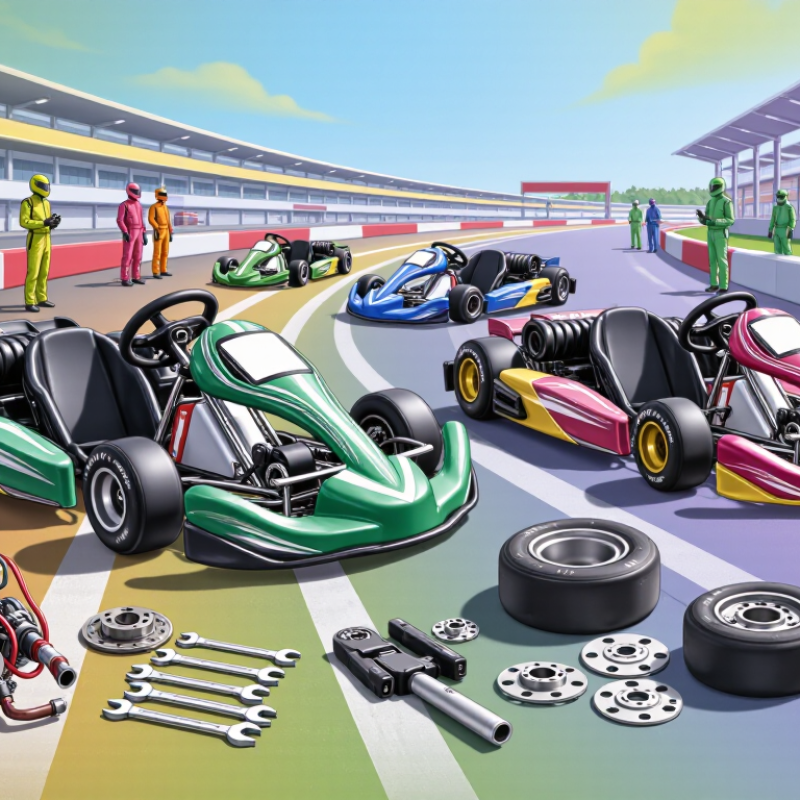
How to Choose the Best Karting Kart for Your Needs?

Karting Kart Types and Their Intended Uses

How to Choose the Best Karting Kart for Your Needs?
Karting karts serve different purposes, so the right choice depends on where and how you drive.
Sprint karts
are light, responsive, and designed for short circuit sessions. They suit beginners, club racers, and drivers who value sharp cornering. Their simple layout also makes routine inspection easier. Check the frame, steering joints, brake cable, and seat position before every outing. Small problems become obvious quickly.
Rental-style karts
are heavier and built for repeated public use. They usually provide predictable handling and stronger protective features. These karts work well for casual drivers, families, and group activities.
A recreational kart offers more personal control, but it demands better judgment. Keep the speed appropriate for the circuit. It feels calm. Until it does not.
Shifter karts include a manual gearbox and stronger acceleration. They require precise braking, smoother gear changes, and greater physical control. Experienced drivers may enjoy their performance, while newcomers can find them demanding.
Youth karts
generally use lower power and smaller dimensions. They should match the driver’s height, reach, and approved age requirements.
I once focused too much on engine output and ignored seat comfort. That was a poor choice.
A kart that fits properly often teaches more than a faster kart. Inspect tire wear, throttle return, chain tension, and protective equipment before driving. If the kart feels unpredictable, stop and investigate it.

Key Factors for Matching a Kart to Your Driving Needs

Choosing the best kart starts with your driving needs, not the fastest-looking machine. A beginner usually benefits from predictable handling, adjustable pedals, and a forgiving chassis. An experienced sprint racer may prefer sharper steering and a stiffer frame. Your height, weight, track surface, and cornering style matter more than appearance. Measure yourself carefully. A cramped seat can ruin concentration within ten laps.

Engine class should match your experience and physical control. The 2024 CIK-FIA Technical Regulations list 125 cm³ engines across major international karting categories, but their minimum weights differ significantly. A KZ kart has a minimum combined weight of about 175 kg, while an OK kart is listed near 145 kg. That difference changes braking feel, acceleration, and tire behavior. Faster is not always better. A less powerful kart can teach cleaner lines and smoother throttle control.

Pay close attention to tires and maintenance records. The CIK-FIA 2024 regulations specify controlled tire dimensions and compounds for many competition classes, so tire choice can strongly affect grip. Check sidewall wear, chain alignment, brake-disc thickness, and frame cracks before buying. The FIA Karting Safety Commission also emphasizes proper restraints, helmets, and protective equipment suited to karting use. Safety is part of performance. I once underestimated seat fit and blamed the chassis for poor corner exits. The real problem was my posture. Test the kart on your regular circuit, record lap consistency, and remember that one quick lap may hide an unsuitable setup.

How to Choose the Best Kart for Your Needs? - Key Factors for Matching a Kart to Your Driving Needs

Kart Type Best For Typical Engine or Power Typical Weight Typical Speed Range Recommended Surface Key Selection Priorities
Recreational Electric Kart First-time drivers, families, indoor leisure sessions, and low-noise environments Approximately 3–15 kW electric motor About 90–160 kg, including the battery system Approximately 25–65 km/h Indoor or smooth outdoor asphalt Adjustable speed modes, simple controls, braking assistance, charging time, and battery range
Recreational Gasoline Kart Outdoor leisure driving and users who prefer engine sound and longer refueling flexibility Approximately 4–9 kW, usually from a 4-stroke engine About 75–125 kg without the driver Approximately 40–80 km/h Outdoor asphalt or prepared karting tracks Engine reliability, fuel capacity, noise level, maintenance access, and protective bodywork
Sprint Racing Kart Experienced drivers, timed laps, club racing, and maximum cornering response Approximately 7–30 kW, depending on the racing class About 145–175 kg with a typical driver and required equipment Approximately 80–140 km/h Dedicated outdoor sprint circuits with smooth asphalt Chassis size, tire specification, braking performance, seat fit, alignment adjustment, and class rules
Endurance Racing Kart Longer races, team events, consistent lap times, and extended operating periods Approximately 6–15 kW, commonly using durable 4-stroke power units About 150–190 kg with a typical driver and fuel or battery load Approximately 70–110 km/h Prepared outdoor circuits designed for continuous operation Cooling capacity, fuel or battery endurance, driver comfort, service intervals, and component durability
Off-Road Kart Trail use, recreational driving on unpaved terrain, and low-speed outdoor exploration Approximately 5–15 kW, depending on terrain and vehicle size About 120–250 kg, depending on frame and suspension design Approximately 25–80 km/h Firm dirt, gravel, grass, and managed off-road surfaces Ground clearance, suspension travel, tire tread, underbody protection, roll protection, and weather resistance
Youth Kart Younger drivers learning steering, braking, track awareness, and basic vehicle control Approximately 2–8 kW, with power limited according to local rules and driver age About 50–110 kg without the driver Approximately 20–70 km/h Controlled karting tracks or private areas approved for kart use Adjustable pedals, speed limiter, seat support, emergency shutoff, stable handling, and age-appropriate safety equipment
Two-Seat or Utility Kart Passenger rides, property transport, instruction, or low-speed utility tasks Approximately 5–15 kW electric or gasoline power About 150–300 kg without passengers or cargo Approximately 20–65 km/h Private roads, managed facilities, or surfaces permitted by local regulations Payload capacity, seating position, braking under load, turning radius, stability, and legal operating requirements

Specifications are typical ranges and can vary by kart configuration, driver weight, track layout, local regulations, and safety requirements.

Engine, Chassis, and Safety Features to Evaluate

Choosing a kart starts with matching the engine to your experience, track layout, and maintenance time. International FIA Karting technical regulations commonly specify 125 cc engines, but power delivery differs sharply between classes. A beginner should value predictable acceleration over maximum output. Data from the 2024 FIA Karting technical regulations also shows class minimum weights near 140–160 kg, including the driver. That range affects braking, cornering, and engine response.

Chassis design deserves a hands-on check. Sit in the kart before buying it. Your knees should remain slightly bent, and the steering wheel should not touch your legs. Tubing stiffness, axle diameter, seat position, and ride height change grip on corner entry. Homologation documents provide useful geometry and material limits, yet they cannot predict every circuit. I once focused too much on stiffness and ignored setup flexibility. That was expensive to correct.

Safety features should be inspected before performance parts. Choose a chassis with compliant bumpers, a secure chain guard, reliable braking, and properly mounted side protection. FIA Karting safety regulations and homologation records identify approved structural requirements for competition equipment. Helmet selection should follow current FIA or recognized karting standards, with correct fit and undamaged straps. A 2023 FIA safety review emphasizes that restraint, protective clothing, and vehicle condition work together; no single feature prevents every injury. Check brake-pedal travel, tire wear, and steering play before every session. Small faults become serious quickly.

Budget, Maintenance, and Ownership Requirements

How to Choose the Best Karting Kart for Your Needs?

Your budget should cover more than the kart’s purchase price. Allow money for safety equipment, fuel, tires, entry fees, transport, and storage. A used kart may look affordable, yet worn brakes or a damaged frame can quickly increase costs. I have seen owners underestimate tire replacement, especially after frequent track sessions. Set aside a repair fund before buying. It prevents rushed decisions later.

Tips: Check the frame carefully. Look for cracks, bends, and fresh paint hiding repairs. Start the engine from cold, not after it has warmed up. Ask for maintenance records, but inspect the kart yourself. Compare replacement-part prices locally. Small costs become serious over a season.

Maintenance requirements should match your available time and mechanical confidence. A performance kart may need regular chain adjustment, brake inspection, fastener checks, and engine servicing. These tasks are manageable, but neglect creates safety risks and expensive failures. Storage also matters. Moisture, dust, and poor fuel handling can shorten component life. Choose a kart you can maintain consistently, not merely one that looks fast. My own estimates have sometimes been too optimistic, particularly about transport and weekend repair time. That is worth considering before ownership begins.

A Step-by-Step Process for Choosing the Right Kart

Choosing the right kart starts with your driving purpose. Decide whether you want recreational laps, club racing, or competitive events. Then check your height, weight, experience, and budget. A rental-style kart may suit beginners, while a race kart demands more setup knowledge. FIA Karting’s 2025 Technical Regulations classify karts by engine, chassis, age, and safety requirements. Use those categories as a reliable starting point.

Inspect the chassis carefully. Look for straight tubing, clean welds, firm steering, and even brake response. Sit in the kart before buying it. Your knees should remain slightly bent, and your hands should turn comfortably without stretching. Check the seat position and pedal reach. A kart that feels fast may still be poorly matched. I once focused too much on engine output and ignored comfort. That mistake made longer sessions tiring. Performance figures do not replace fit.

Tips: Compare at least three karts. Ask for service records and recent setup notes. Confirm that replacement parts remain available. Read the circuit’s technical rules before purchasing. FIA Karting regulations can change between seasons, so verify the current edition. A professional inspection is worthwhile, especially for used equipment. Do not trust polished paint alone. Test braking, corner stability, and throttle response on a controlled track. Small flaws matter.

Article Source:

Go to Top