Top 10 Container Cabin Ideas for Modern Living Spaces You Must See
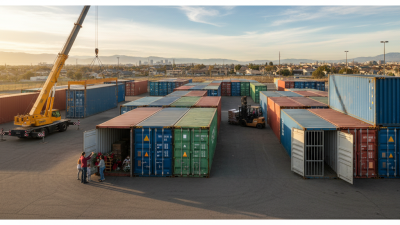
In recent years, the concept of container cabins has gained significant traction in the architectural and interior design industries. A report by the Container Housing Association indicates that the global market for container homes is projected to grow at a compound annual growth rate (CAGR) of over 6% from 2021 to 2026, reflecting a burgeoning interest in sustainable and innovative living solutions. Container cabins not only offer a unique aesthetic appeal but also promote eco-friendly practices by repurposing used shipping containers, thereby reducing waste and minimizing the carbon footprint associated with traditional construction materials.
As urbanization continues to rise, the demand for compact, functional living spaces has surged. According to statistics from the United Nations, by 2050, nearly 68% of the world's population will reside in urban areas, driving the need for inventive housing solutions that combine convenience with sustainability. Container cabins serve as a perfect response to this challenge, providing versatile living environments that can be customized to fit diverse lifestyles and preferences. The flexibility of container designs allows for easy scaling and mobility, making them ideal for modern dwellers seeking affordable yet stylish alternatives to conventional housing.
Container Cabin Design Basics for Modern Living Spaces
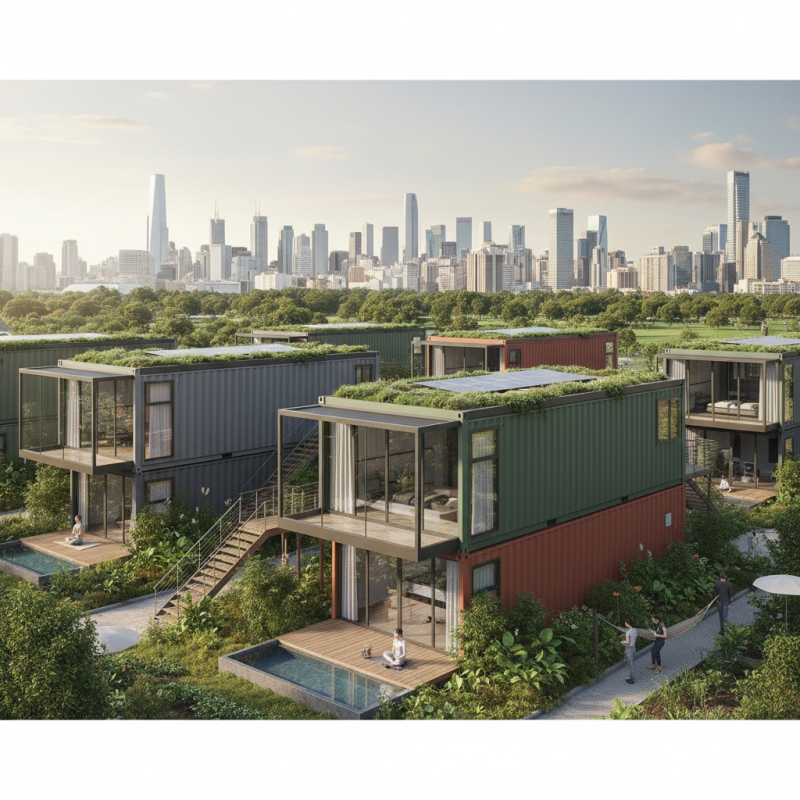
Container cabins are rapidly emerging as a popular choice for modern living spaces, driven by their versatility and sustainability. According to a report by the Global Modular Buildings Market, the demand for modular construction, including container cabins, is expected to grow at a CAGR of 6.5% from 2021 to 2028. This growth reflects an increasing consumer interest in eco-friendly living solutions that can be swiftly deployed, offering flexibility in design and location.
The design basics of container cabins emphasize efficient use of space and innovative architectural elements. With standard shipping containers measuring 20 to 40 feet, their structural integrity allows for stacking and combining multiple units to create expansive living areas. Industry data shows that proper insulation and the inclusion of energy-efficient systems can elevate the energy performance of these cabins significantly. Incorporating natural light through strategic window placements and open floor plans can transform the cabin into a bright, inviting habitat, appealing to those who value aesthetics alongside functionality.
Sustainability plays a crucial role in the allure of container cabins. A study by the Environmental Protection Agency indicates that building with recycled materials, such as shipping containers, can reduce carbon emissions by up to 40% compared to traditional building methods. This aligns with the increasing consumer demand for greener homes, as seen in surveys where over 70% of prospective buyers expressed a preference for energy-efficient properties. In response, architects are continually innovating to maximize the synergy between modern design and environmental responsibility in container cabin living.
Innovative Interior Layouts for Container Cabins
When considering innovative interior layouts for container cabins, one should focus on maximizing space while ensuring comfort and functionality. The unique shapes and sizes of shipping containers offer unparalleled opportunities to create diverse living environments. Open-plan designs can enhance the sense of spaciousness, allowing natural light to flood in through strategically placed windows and skylights. By opting for modular furniture that can be easily rearranged or stored away, you can adapt your space as needed, making it versatile for various lifestyles or activities.
Tips: To make the most of your compact container cabin, consider incorporating multi-functional pieces. For example, a sofa that converts into a bed can save space while providing extra sleeping accommodations for guests. Additionally, make use of vertical storage solutions, such as shelves that reach up to the ceiling, to keep your living area organized and clutter-free, ensuring an airy feel.
Another innovative idea is to create distinct zones within your container. This could be achieved through clever use of partitions or curtains that separate the sleeping area from the living space. Color and texture can also play a crucial role in defining these zones; lighter colors can make smaller spaces seem larger, while warm, cozy textures can create an inviting atmosphere. Emphasizing open spaces paired with smart décor choices will transform your container cabin into a stylish and functional modern living space.
Sustainable Materials and Eco-Friendly Features
Container cabins have emerged as a popular choice for modern living spaces, standing out not only for their unique aesthetic but also for their sustainability. Utilizing shipping containers as the foundation, these dwellings allow for creative designs that prioritize eco-friendly materials. By repurposing existing structures, container cabins reduce waste and energy consumption, contributing to a more sustainable lifestyle.
When designing a container cabin, it's important to consider the types of materials used. Opting for recycled or reclaimed materials, such as reclaimed wood for flooring or insulation, helps minimize environmental impact. Additionally, incorporating eco-friendly features like green roofs or solar panels can enhance energy efficiency and redefine the modern living experience. These elements not only reduce the cabin’s carbon footprint but also promote natural biodiversity.
**Tips:** Consider passive solar design techniques to optimize natural light and heat, making your cabin more energy efficient. Additionally, integrating rainwater harvesting systems can provide a sustainable water source, reducing reliance on municipal supplies. Emphasizing local materials in your design not only supports the economy but also ensures that your container cabin blends harmoniously with the surrounding environment.
Top 10 Container Cabin Ideas for Modern Living Spaces
Functional Outdoor Areas for Container Cabin Living
When designing functional outdoor areas for container cabin living, it's essential to blend comfort with practicality. Container cabins inherently offer unique aesthetics, but maximizing your outdoor space can enhance both your living experience and the property's overall appeal. Incorporating elements like modular furniture and shade structures can create inviting relaxation spots. Opt for materials that withstand the elements, ensuring durability while providing a cozy atmosphere.
Tips: Consider using multifunctional furniture that can be easily moved or repurposed. This flexibility allows your outdoor area to adapt for various activities, from intimate gatherings to larger social events. Adding potted plants or vertical gardens can liven up the space and improve air quality, contributing to a more serene environment.
Incorporating outdoor cooking solutions, like a portable grill or an outdoor kitchen setup, can elevate your container cabin lifestyle. This not only encourages outdoor dining but also fosters a communal experience where family and friends can gather. Well-placed lighting will extend the usability of the outdoor area into the evening, enhancing the ambiance and making it a perfect spot for night-time relaxation.
Top 10 Container Cabin Ideas for Modern Living Spaces You Must See
| Idea |
Description |
Key Features |
Suitable For |
| Rustic Retreat |
A cozy and warm container cabin featuring reclaimed wood elements. |
Natural materials, wood decking, outdoor fire pit. |
Couples, Small families |
| Modern Minimalism |
A sleek design focusing on simplicity and functionality. |
Large windows, open space, neutral colors. |
Young professionals, Minimalist enthusiasts |
| Eco-Friendly Haven |
Designed for sustainability with solar panels and green features. |
Solar power, rainwater collection, composting. |
Environmentally conscious individuals |
| Coastal Escape |
A breezy retreat perfect for seaside living with ample outdoor space. |
Decking, open-air living room, beach access. |
Beach lovers, Vacationers |
| Artistic Abode |
A vibrant container cabin filled with artistic designs and colors. |
Bold colors, unique art pieces, creative spaces. |
Artists, Creative minds |
| Family Fun Hub |
A spacious cabin designed for family gatherings and activities. |
Game room, family kitchen, outdoor play area. |
Families with children |
| Tropical Retreat |
Beyond a simple cabin, this is a getaway surrounded by lush nature. |
Lush gardens, hammocks, open-air design. |
Nature lovers, Retreat seekers |
| Urban Chic |
A stylish cabin integrating urban aesthetics with container design. |
Industrial elements, rooftop terrace, modern lighting. |
City dwellers, Trendsetters |
| Zen Space |
A peaceful retreat focusing on relaxation and tranquility. |
Meditation area, water features, natural light. |
Wellness seekers, Yogis |
Inspiring Container Cabin Case Studies from Around the World
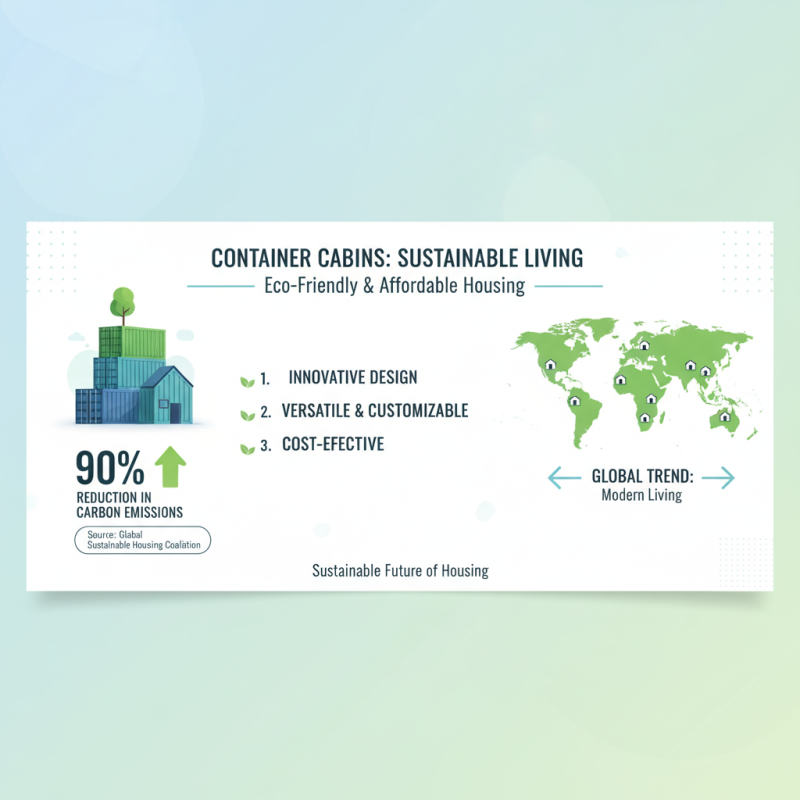
Container cabins have emerged as a sustainable and innovative solution for modern living spaces, capturing the imagination of architects and homeowners alike. Globally, more individuals are opting for these eco-friendly structures due to their affordability and versatility. According to a report by the Global Sustainable Housing Coalition, the use of shipping containers in construction can reduce carbon emissions by up to 90%, showcasing their potential in addressing environmental concerns.
Case studies from around the world reveal unique approaches to container living. For instance, in New Zealand, one couple transformed a standard shipping container into a luxurious off-grid retreat equipped with solar panels and rainwater harvesting systems. Meanwhile, in the United States, a compact container home showcases modern design principles with an emphasis on open space and natural light. These examples highlight the adaptability of container cabins to various climates and lifestyles, making them a viable option for contemporary living.
Tips for those considering a container cabin include prioritizing insulation to ensure comfort in diverse weather conditions, and exploring multifunctional furniture to maximize space efficiency. Additionally, research local zoning laws and building codes to help streamline the construction process. With creativity and careful planning, container cabins can be both stylish and sustainable, offering a unique alternative to traditional housing.