What is Container Conversions in Modern Shipping and Storage?
Container conversions represent a transformative approach in modern shipping and storage. As the global shipping industry faces rising costs, innovative solutions are needed. According to a report by Mordor Intelligence, the global container market is expected to exceed $10 billion by 2026. This growth drives the demand for versatile and cost-effective storage options.
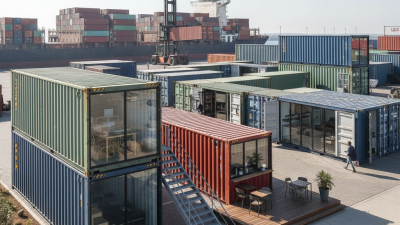
Container conversions enable businesses to repurpose shipping containers into offices, homes, and storage units. This trend addresses not only space efficiency but also sustainability. A 2021 study indicated that converting shipping containers can reduce waste by up to 20% compared to traditional construction methods. Yet, challenges remain. Not all containers are suitable for conversion, and safety must be prioritized.
Moreover, there is a lack of standardization across the industry. This creates complications in project execution. Potential buyers must also consider local regulations. Container conversions have a promising future. They offer practical solutions but require careful planning and execution to thrive in the competitive landscape of modern shipping and storage.
Understanding Container Conversions: A Modern Shipping Perspective
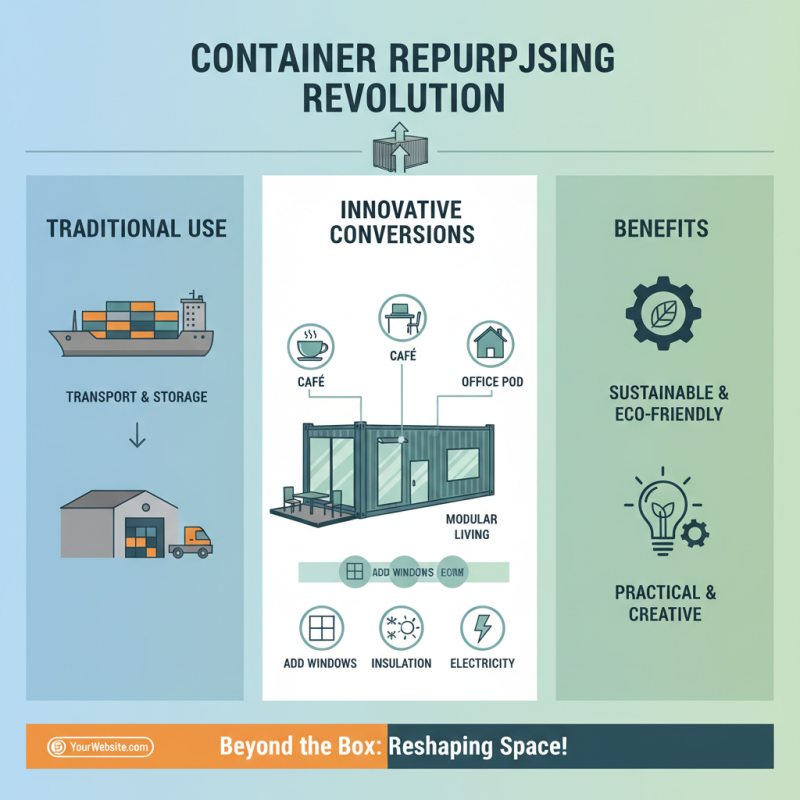
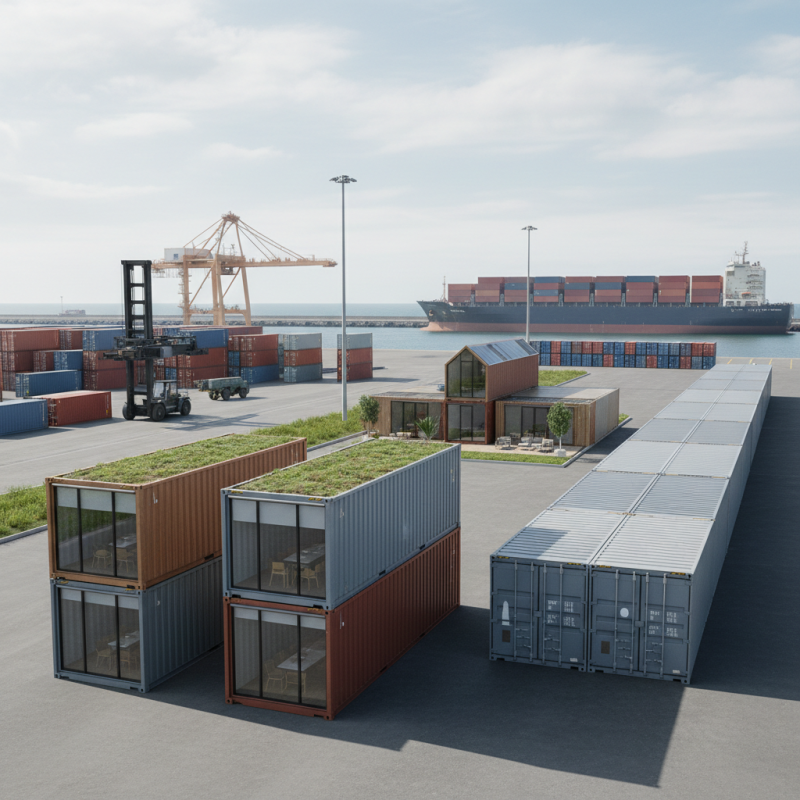
Container conversions are changing how we view shipping and storage. Rather than using containers solely for transport, people are repurposing them. This modern approach is practical and innovative. For instance, a shipping container can become a café or an office. The transformation often includes adding windows, insulation, and electricity. Visualizing a workspace in a repurposed container can seem unorthodox, but many find it appealing.
Many conversions face challenges. Proper insulation is crucial for comfortable spaces. Some containers do not have the structural integrity required for certain uses. This raises concerns about safety and durability. In the rush to convert, some overlook critical details. Such oversights can lead to higher costs down the line. Building regulations may also pose hurdles. Converters must navigate local laws. It’s essential to research these aspects thoroughly before beginning a project.
The allure of container conversions lies in their flexibility and sustainability. They allow for creative designs in urban settings, addressing housing shortages or creating unique venues. However, the balancing act between creativity and practicality remains. Some designs may sacrifice functionality for aesthetics. This tension is part of the ongoing conversation in modern shipping.
History and Evolution of Containerization in Shipping and Storage
The evolution of containerization in shipping and storage has been remarkable. In the early days, goods were handled one by one. It was slow and labor-intensive. Ships had to be unloaded by hand, leading to delays. This process made shipping costly and inefficient.
By the mid-20th century, the containerization revolution took root. Ships began using large steel boxes, transforming transport methods. With these containers, cargo could be loaded and unloaded in bulk. Ports developed specialized cranes to handle them efficiently. However, not all ports adapted quickly. Some struggled with the infrastructure needed.
Despite the innovative changes, challenges remain. Empty containers pile up at ports. Not all regions benefit equally from this system. There are still supply chain gaps. Container conversions are necessary for better efficiency. The evolution continues, but it is clear we still have much to learn.
Key Benefits of Container Conversions in Logistics Efficiency
Container conversions have become essential in modern shipping and storage. By repurposing shipping containers, businesses can create functional spaces for various needs. Whether it's a mobile office, pop-up shop, or even a housing unit, the flexibility offered by converted containers is unmatched.
One significant benefit of container conversions is logistics efficiency. Shipping containers are robust and can be easily transported. This portability reduces overhead costs and shortens delivery times. However, not all conversions are perfect. Some may lack adequate insulation or ventilation, making them unsuitable for certain climates. Evaluating the specific needs of each project is essential to ensure functionality.
Additionally, container conversions promote sustainability. By repurposing existing materials, waste is minimized, and new resource demands are lowered. Yet, challenges remain. Some areas may have zoning restrictions that complicate container use. Addressing these hurdles requires innovative thinking and collaboration among stakeholders. The journey toward efficient logistics is ongoing and constantly evolving.
What is Container Conversions in Modern Shipping and Storage? - Key Benefits of Container Conversions in Logistics Efficiency
| Benefit |
Description |
Impact on Logistics |
| Cost Efficiency |
Reduces transportation and storage costs by optimizing space usage. |
Lower operational costs lead to increased profit margins. |
| Flexibility |
Transform shipping containers for various purposes (e.g., retail, temporary storage). |
Adapts to changing logistics needs and market demands. |
| Sustainability |
Promotes recycling and repurposing of materials, reducing waste. |
Enhances brand image and compliance with environmental regulations. |
| Scalability |
Easily expandable solutions for growing logistical demands. |
Facilitates growth in shipping volumes without significant new investments. |
| Speed of Deployment |
Quick conversion of containers to meet urgent logistics requirements. |
Improves response time to market fluctuations and customer demands. |
Industry Statistics: Impact of Container Conversions on Shipping Costs
Container conversions are reshaping the shipping industry. They allow old containers to be repurposed for various uses, such as storage or even homes. This innovative trend has shown potential in reducing shipping costs.
According to a report from the International Container Shipping Association, container conversions can lead to a 30% reduction in operational expenses. By optimizing existing resources, companies save money. In 2022, conversions accounted for approximately 15% of total container usage. This surge reflects the industry's shift towards sustainability and cost-efficiency.
Tips: Consider the long-term benefits of container conversions. Assess your needs before deciding to convert. Sometimes, it may not be the best fit. Remember, not all containers are suitable for every conversion. Properly evaluate your options.
While container conversions offer savings, there's a learning curve. Inexperience can lead to poorly executed projects. The impact on the environment should also be considered. Are the materials used truly sustainable? This is an area where ongoing evaluation is crucial.
Challenges and Innovations in Container Conversion Technologies
Container conversion has emerged as a pivotal solution in modern shipping and storage. Companies are increasingly transforming shipping containers into homes, offices, and pop-up shops. This trend not only addresses space scarcity but also promotes sustainability. However, challenges accompany these innovations. The structural integrity of repurposed containers can be a concern. Ensuring they are safe and comfortable requires careful planning and skill.
Innovations in container conversion are remarkable. Advanced insulation materials now make containers suitable for diverse climates. Moreover, technology like 3D printing allows for custom designs. Yet, many conversions still face issues like ventilation and moisture control. Not every conversion project meets industry standards. This inconsistency can lead to suboptimal living or working conditions.
As the demand for container conversions grows, so does the need for skilled workers. Training programs are not always sufficient. The learning curve can be steep, affecting project quality. Emphasizing sustainable practices is crucial but often overlooked. Overall, container conversion presents both exciting opportunities and significant challenges.