What is Container Conversions and How They Transform Living Spaces
In recent years, the concept of container conversions has gained significant traction within the architectural and design communities, driven by a growing demand for innovative and sustainable living solutions. According to a report by the World Economic Forum, the global construction industry is expected to grow by 85% by 2030, placing immense pressure on traditional resources and habitats. Amidst this growth, container conversions offer a practical alternative that repurposes shipping containers into functional living spaces, providing flexibility in design and cost-efficiency.
Container conversions not only address the challenges of urbanization but also embrace sustainability practices by recycling materials that would otherwise contribute to waste. The reuse of shipping containers aligns with trends highlighted in the Global Circular Economy Report, which indicates that sustainable practices can significantly reduce carbon footprints in construction. Furthermore, these innovative structures can be found in diverse applications, ranging from compact urban homes to creative commercial spaces, showcasing their versatility and adaptability to various environments. Through the lens of container conversions, the future of living spaces appears poised for transformation, merging creativity with environmental responsibility.
What Are Container Conversions?
Container conversions involve transforming shipping containers into versatile living spaces. This innovative approach has gained popularity as a sustainable and cost-effective solution for housing, offices, and various commercial applications. The primary appeal of container conversions lies in their modularity and durability. Made from robust steel, these containers can withstand diverse environmental conditions while offering a customizable canvas for design.
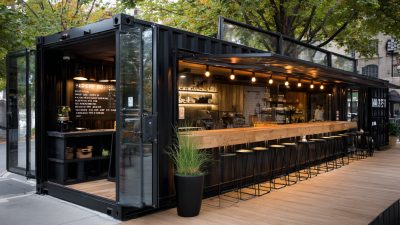
When repurposing containers, the possibilities are virtually limitless. Architects and designers can create unique layouts that cater to specific needs, such as multi-family homes, artist studios, or pop-up restaurants. By leveraging the inherent structure of the container, they can incorporate features like large windows, insulation for temperature control, and innovative interior configurations. Furthermore, container conversions often promote environmentally-friendly practices by recycling materials and reducing the need for extensive construction resources, ultimately contributing to a reduction in urban waste.
Container Conversions: Transforming Living Spaces
This bar chart illustrates the number of container conversions in various sectors for the year 2023. As seen, residential conversions are leading, followed by storage and commercial conversions.
The Process of Transforming Shipping Containers
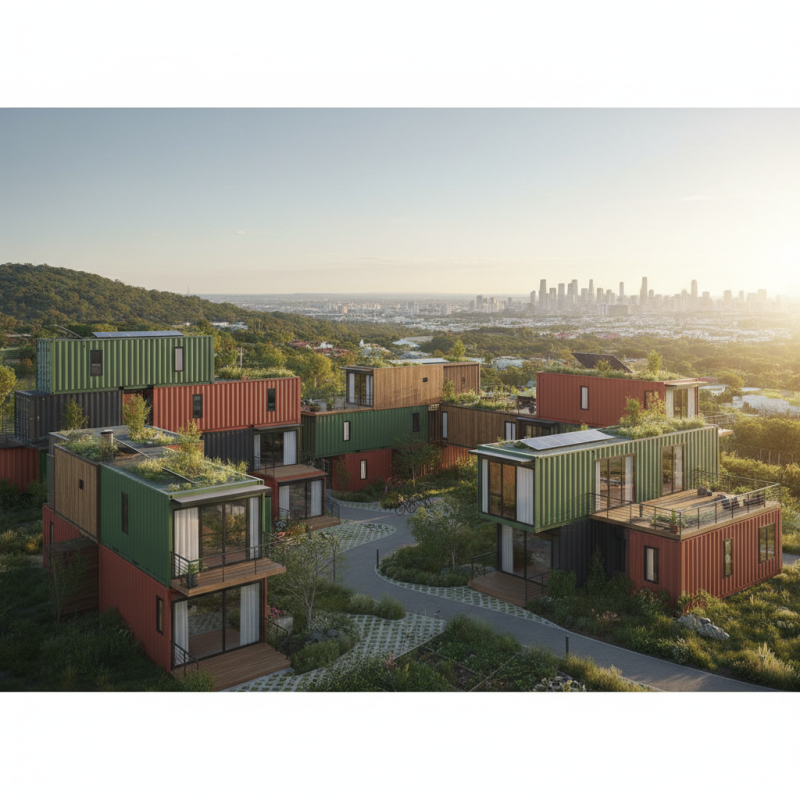
The process of transforming shipping containers into livable spaces begins with meticulous planning and design. Initially, architects and designers assess the existing structure of the container, taking into account its dimensions, materials, and potential for insulation. The versatility of shipping containers allows them to be stacked, modified, and combined in various configurations. This flexibility opens up numerous possibilities, from single-container homes to multi-unit complexes. Each transformation caters to the specific needs of the occupants, emphasizing functionality and aesthetics.
Once the design phase concludes, the physical transformation takes place. This involves cutting openings for windows and doors, reinforcing the structural integrity of the container, and ensuring it meets local building codes. Interior modifications follow, including insulation, electrical wiring, plumbing, and the installation of necessary fixtures. Sustainable practices often play a role in this phase, with many builders opting for eco-friendly materials and energy-efficient systems. Ultimately, the transformation of shipping containers evolves into unique living spaces that blend modern design with rugged durability, making them an attractive option for innovative housing solutions.
Design Ideas for Container Living Spaces
Container living spaces have gained popularity due to their sustainability and versatility. Designing a container home allows for a unique approach to living that meets both aesthetic desires and functional needs. One popular design idea is to create open-plan interiors that maximize space and light. By using large windows and sliding glass doors, these homes can seamlessly blend indoor and outdoor environments, making even a compact space feel expansive.
Another creative approach is to incorporate multi-functional furniture. Items like foldable tables, convertible sofas, and built-in storage solutions help optimize the limited square footage of container homes. Adding greenery with indoor plants or vertical gardens can also enhance the living environment, introducing natural elements that improve air quality and create a more inviting atmosphere. Customizing containers with exterior decks or rooftop gardens further enhances the space, offering residents versatile areas for relaxation and entertainment.
Benefits of Using Containers for Homes and Offices
The trend of using containers for homes and offices has gained significant momentum in recent years, thanks to their versatile applications and numerous benefits. According to a recent report by the Container Housing Association, the adoption of container-based architecture has increased by over 40% in the past five years. This approach not only provides a unique aesthetic appeal but also promotes sustainable living through the recycling of shipping containers. With environmental concerns rising, the construction industry is looking for innovative solutions, and container conversions offer an effective way to repurpose materials while reducing waste.
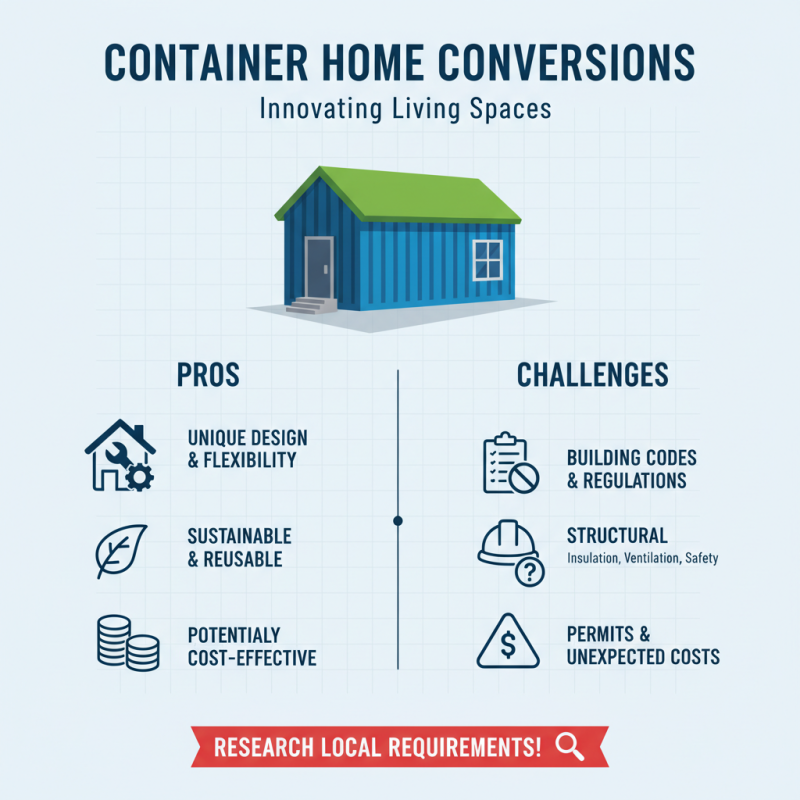
One of the key advantages of using containers is their cost-effectiveness. The National Association of Home Builders reports that container homes can be constructed for up to 50% less than traditional homes, allowing homeowners and businesses to save significantly on construction costs. Additionally, containers are modular, meaning they can be easily expanded or reconfigured to suit changing needs without the extensive costs associated with conventional building. This flexibility makes them an attractive option for both residential and commercial spaces, providing adaptable solutions that can evolve with the user’s requirements.
Furthermore, container buildings are remarkably durable and can withstand various weather conditions, making them suitable for diverse environments. A study by the Global Construction Market Insights indicates that container homes typically require less maintenance than traditional wooden structures, leading to long-term savings for owners. This durability, combined with the potential for energy-efficient designs, positions container conversions as a promising solution for those seeking modern, sustainable living and working spaces.
Challenges and Considerations in Container Conversions
Container conversions have gained popularity as innovative solutions for creating unique living spaces. However, the process is not without its challenges and considerations. One of the primary concerns involves ensuring that the container structure complies with local building codes and regulations. Different areas have various requirements regarding insulation, ventilation, and structural safety, which can complicate the conversion process. Ignoring these regulations can lead to costly fines and may require extensive retrofitting.
Another major consideration is the interior environment of the converted container. Standard shipping containers often lack adequate insulation, leading to extreme temperatures inside. Proper climate control is essential to ensure comfort throughout the different seasons. Additionally, the limited space presents its own set of challenges, as effective layout design is crucial for maximizing functionality while maintaining an aesthetically pleasing environment. Choosing the right materials and fixtures that fit within the confined space without compromising quality adds another layer of complexity to the conversion process. Balancing these various elements is key to successfully transforming a shipping container into a livable space.