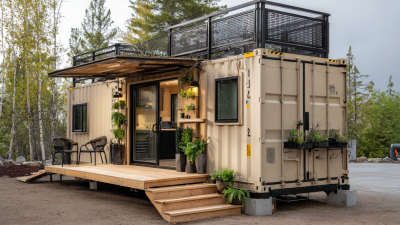
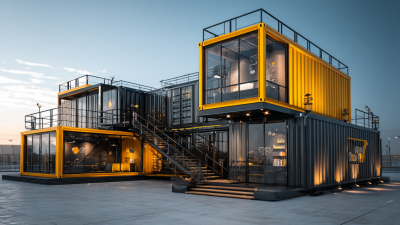
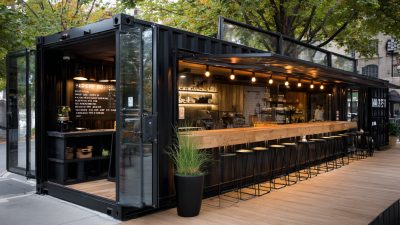
Why Container Offices Are the Future of Flexible Work Spaces?
As the landscape of work continues to evolve, the demand for flexible workspaces has surged, with container offices emerging as a leading solution. According to a report by Global Workplace Analytics, approximately 30% of the workforce is expected to work remotely by 2025, resulting in a substantial increase in the need for adaptable office solutions. Container offices offer a remarkable blend of mobility, functionality, and sustainability, positioning them as a cornerstone of the flexible workspace revolution.
Industry expert Dr. Julia Hartmann, a significant advocate for innovative workspace solutions, asserts, "Container offices represent the future of work environments, seamlessly integrating efficiency and adaptability." Her insights underscore the growing recognition of container offices as not just temporary structures, but versatile hubs that can be customized to fit diverse business needs. As organizations look to optimize their real estate investments and create environments that foster collaboration, the advantages of container offices—such as quick deployment and eco-friendly design—are becoming increasingly apparent.
With predictions indicating that the global modular office market could reach $84 billion by 2026, it's clear that container offices will play a crucial role in shaping the future of work. Embracing this innovative approach not only enhances operational flexibility for businesses but also aligns with the shifting preferences of the modern workforce, making container offices a vital component of tomorrow's workspace solutions.

The Rise of Container Offices in Flexible Work Environments
The rise of container offices is a significant trend in today’s flexible work environments, reflecting the broader shift in the way we perceive office spaces. As the market for dedicated flexible office spaces is set to grow from $21.51 billion in 2025 to an impressive $61.70 billion by 2032, container offices offer a modular and adaptable solution to the evolving needs of businesses. These facilities provide employees with the chance to work in environments that are not only efficient but also highly customizable, catering to various team sizes and functions.
Furthermore, container offices exemplify the increasing demand for hybrid work models. With companies reassessing their workspace strategies post-pandemic, there is a strong emphasis on creating environments that promote both collaboration and individual productivity. As we look towards 2025 and beyond, the push for flexibility in the workplace, paired with innovative solutions like container offices, positions businesses to better navigate the complexities of modern work dynamics.
Why Container Offices Are the Future of Flexible Work Spaces?
| Feature |
Advantage |
Flexibility |
Cost Efficiency |
Sustainability |
| Portability |
Easily transportable to different locations |
Can be moved or rearranged as needed |
Lower cost compared to traditional construction |
Recyclable materials used |
| Customizability |
Tailored interior layouts |
Space can adapt to changing team sizes |
Reduced setup time and labor costs |
Energy-efficient designs proposed |
| Durability |
Built to withstand various environmental conditions |
Can serve multiple purposes over time |
Less maintenance required |
Promotes reuse of materials |
| Aesthetic Appeal |
Modern and stylish workspace solutions |
Flexible designs to match corporate identity |
Salary outlay redirected to innovation |
Supports eco-friendly initiatives |
Key Benefits of Container Offices: Cost-Effectiveness and Mobility
Container offices are emerging as a revolutionary solution for flexible workspaces, primarily due to their notable cost-effectiveness and mobility. According to a report by MarketsandMarkets, the global portable office market is projected to grow from USD 25 billion in 2023 to USD 38 billion by 2026, showcasing a rising trend in alternative workspace solutions. The use of shipping containers as offices significantly reduces construction costs, with estimates suggesting savings of up to 30% compared to conventional building methods. This affordability allows businesses to allocate more resources towards other critical areas, such as employee welfare and technological advancements.
Moreover, the mobility of container offices offers unparalleled flexibility. A survey by Flexibility in Workspace Trends reveals that 70% of businesses are increasingly seeking adaptable office solutions to cater to a dynamic workforce. Container offices can be easily transported and repurposed, enabling companies to respond swiftly to changing business needs or even temporary projects. This agility not only minimizes downtime but also ensures that firms can maintain operational efficiency regardless of their location. As the demands for flexible work solutions continue to evolve, container offices stand out as a practical choice that aligns with modern business strategies.
Cost-Effectiveness and Mobility of Container Offices
Sustainable Design: Eco-Friendly Aspects of Container Workspaces
The rise of container offices is revolutionizing the landscape of flexible workspaces, primarily due to their sustainable design. Traditional office spaces require extensive materials and energy for construction, contributing to pollution and resource depletion. In contrast, container offices utilize repurposed shipping containers, significantly reducing the need for new raw materials. According to a recent sector report, adopting such eco-friendly structures can cut CO2 emissions by over 30% compared to conventional office buildings. This shift not only meets the growing demand for sustainable work environments but also aligns with global goals of reducing the carbon footprint.
Moreover, the compact design of container offices facilitates innovative approaches to modular construction. This flexibility allows businesses to adapt their workspaces quickly in response to evolving needs, such as downsizing or expansion. Industry experts project that the modular office market will grow by 5% annually, with container structures playing a crucial role in this expansion. By offering cost-efficient solutions that are both environmentally friendly and adaptable, container offices are set to become a staple in the future of work environments, appealing to companies committed to sustainability and agility.
Adapting Container Offices for Diverse Work Needs
Container offices have emerged as versatile solutions for contemporary work environments, adapting to diverse needs across various industries. According to a report by the Global Workspace Analytics, 70% of companies are shifting towards flexible workspace solutions to enhance employee satisfaction and productivity. Container offices can be configured to serve multiple purposes, from private offices to collaborative spaces, allowing organizations to tailor the environment to their team's requirements.
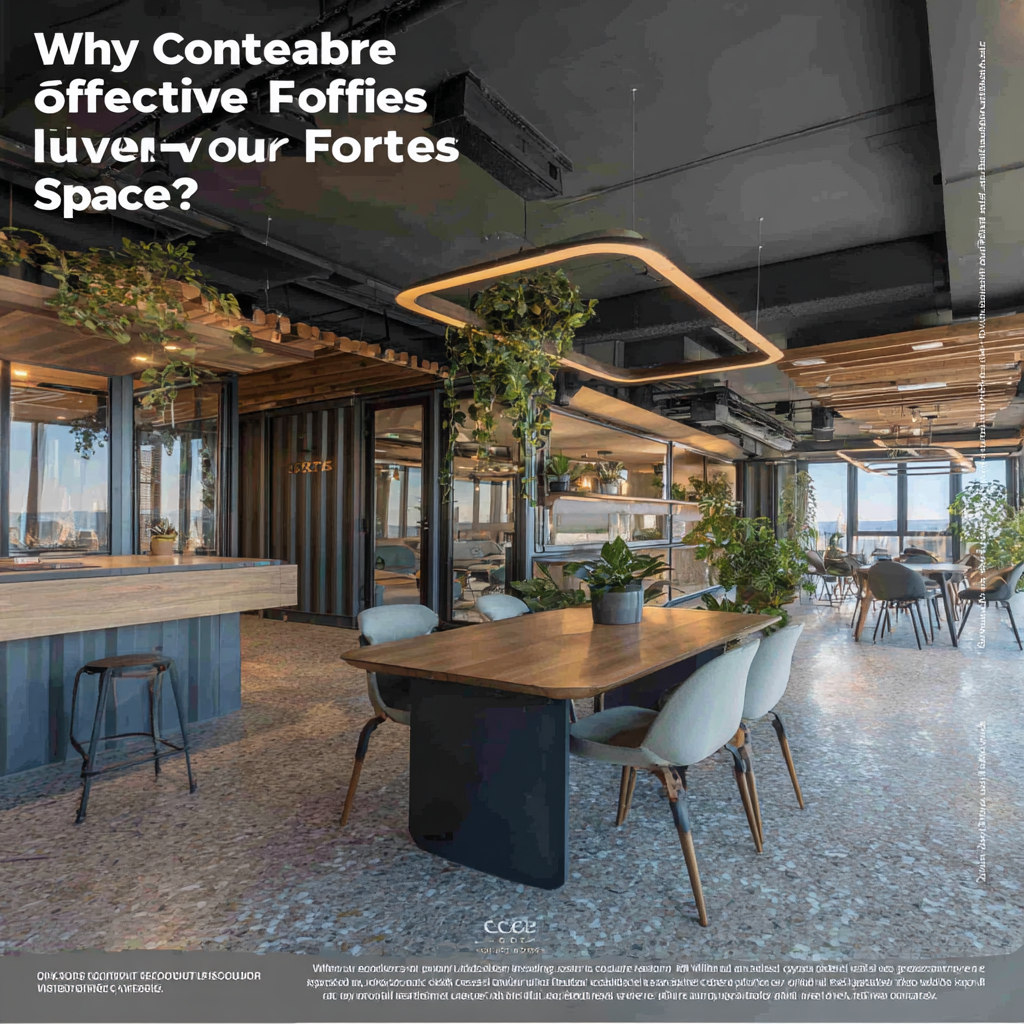
Moreover, these modular units offer significant advantages in terms of cost and sustainability. The U.S. Green Building Council states that repurposing shipping containers for office space can reduce construction costs by up to 50% compared to traditional building methods. Additionally, container offices often require fewer materials and less energy for setup, aligning with the growing emphasis on eco-friendly practices in workplace design. As businesses continue to seek innovative solutions that promote flexibility and efficiency, container offices stand out as a practical choice poised to shape the future of workspaces.
Innovative Tech Solutions Enhancing Container Office Functionality
The rise of container offices is revolutionizing flexible workspaces, driven by innovative technology solutions that enhance their functionality. With modular designs and smart features, these spaces are becoming ideal for businesses seeking adaptability in a rapidly changing environment. Companies like CMG Containers are leading the charge by offering modular office solutions that cater to the diverse requirements of modern organizations. The capability to easily relocate and reconfigure these spaces addresses both the dynamic needs of employees and operational efficiency.
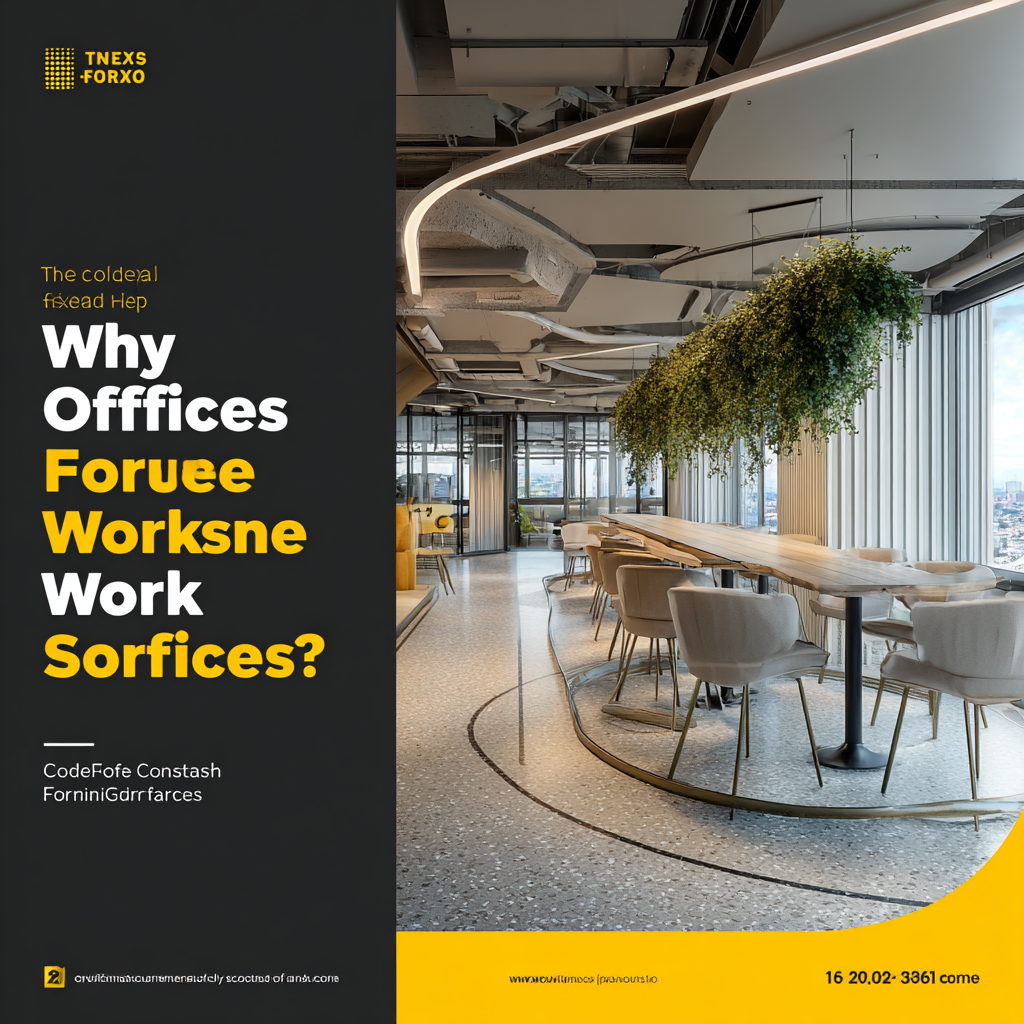
Furthermore, technologies such as AI and cloud services are elevating the capabilities of container offices. By integrating advanced digital solutions, organizations can optimize their operations and create seamless work environments. This transformation is underscored by trends highlighted in recent technology analyses that emphasize the importance of adaptability and innovation in workplace solutions. As container offices continue to evolve, they stand as a testament to the future of flexible workspaces, embodying sustainability and cutting-edge technology in their design and function.