Top Tips for Effective Container Insulation Solutions?
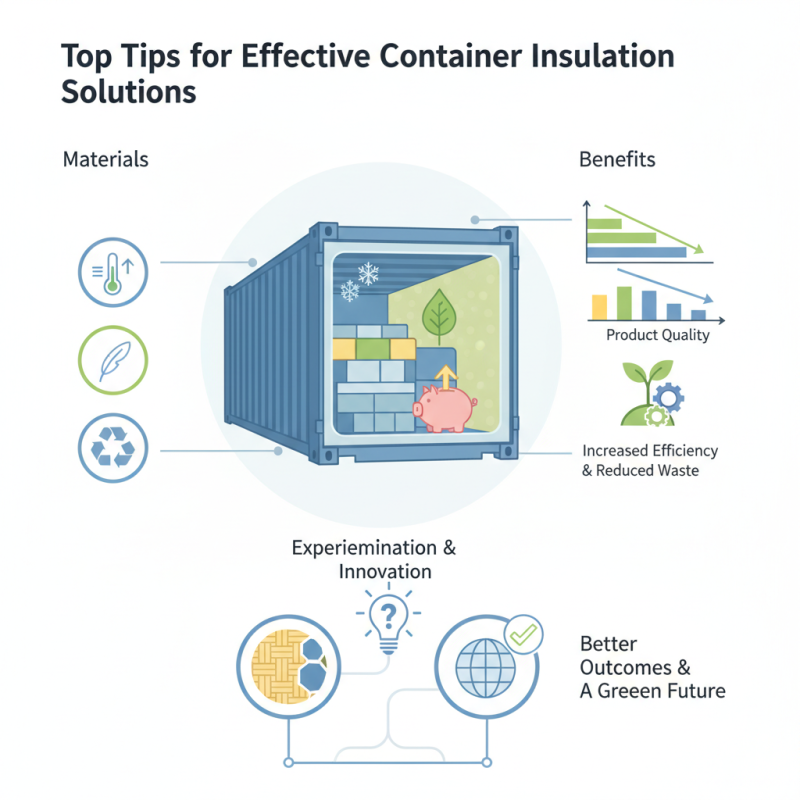
Container insulation plays a vital role in maintaining temperature stability and protecting goods during transport. Effective solutions can significantly reduce energy costs and enhance product quality. With increasing emphasis on sustainability, optimizing container insulation is more important than ever.
When choosing insulation materials, consider factors such as thermal resistance, weight, and environmental impact. Many businesses overlook the long-term benefits of proper insulation. Investing in high-quality materials often pays off through increased efficiency and reduced waste.
Experimenting with different insulation methods can yield unexpected results. While some companies stick to traditional materials, others explore innovative options. The key is to find what works best for your specific needs. Ultimately, reflecting on your insulation approach can lead to better outcomes and a greener future.
Understanding the Importance of Container Insulation
Container insulation plays a vital role in temperature control during transportation. It protects your goods from extreme weather. Effective insulation reduces energy costs and protects product quality. Without proper insulation, temperature fluctuations can damage sensitive items.
To ensure your containers are well-insulated, consider using lightweight, high-performance materials. These materials provide excellent thermal resistance without adding significant weight. In addition, ensure proper sealing around doors and openings. Gaps can lead to significant heat loss or gain, compromising cargo integrity.
Monitoring insulation effectiveness is crucial. Regular inspections can help identify weaknesses in your system. Test various insulation types under real transport conditions. Sometimes, the cheapest option may not provide the best protection, leading to substantial losses. Upgrading ventilation options can also enhance cooling and heating efficiencies. Adopting a proactive approach will save time, money, and resources in the long run.
Types of Insulation Materials for Containers
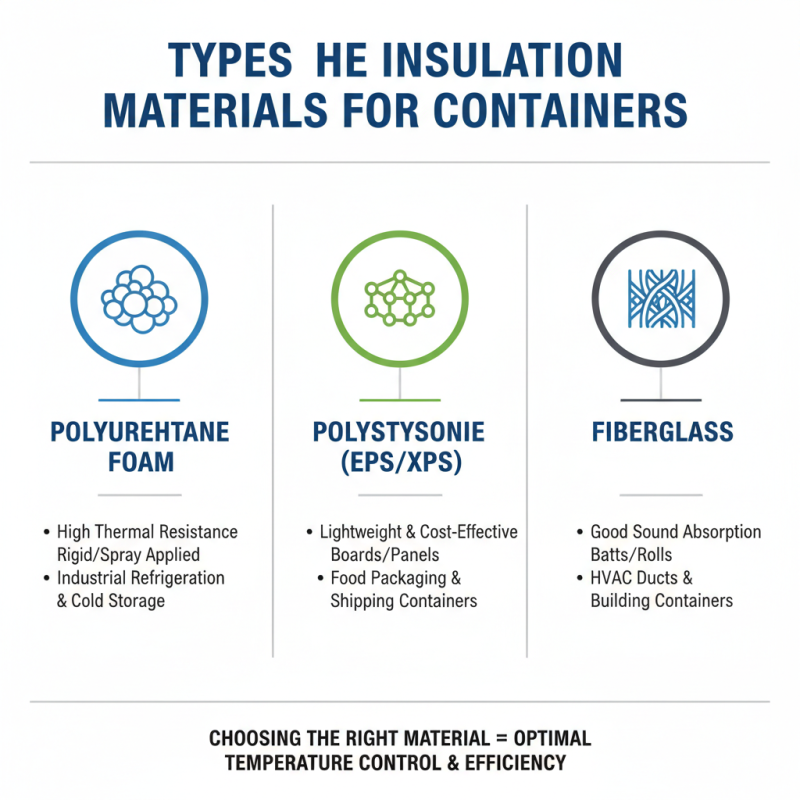
Insulating containers is vital for maintaining temperature control in various industries. Choosing the right insulation material can significantly impact energy efficiency and cost-effectiveness. Common materials include polyurethane foam, polystyrene, and fiberglass. Each type has unique thermal properties and applications, making informed choices crucial for effectiveness.
Polyurethane foam offers high thermal resistance, often used in refrigerated containers. Studies show that proper insulation can reduce energy costs by up to 30%. Polystyrene is lightweight and moisture-resistant, ideal for food transportation. Fiberglass, while less efficient, provides good sound insulation.
Tip: Always assess the specific needs of your cargo. Consider factors like weight, insulation value, and moisture exposure.
Mistakes can happen when choosing insulation. Selecting a material without adequate thermal properties can lead to spoilage or waste. Another common issue is improper installation, which can compromise integrity.
Tip: Regularly inspect insulation for wear and damage. Maintenance is key to effective insulation solutions.
Steps for Proper Container Insulation Installation
Proper insulation is crucial for container efficiency. The process begins with the right materials. According to industry reports, effective insulation can reduce energy costs by up to 30%. Using materials like polyurethane foam can provide excellent thermal resistance. This material has an R-value of around 6 to 7 per inch, making it an optimal choice.
Installation requires careful attention. Ensure surfaces are clean before applying insulation. Gaps and leaks can lead to significant heat loss. A report by the International Energy Agency highlights that improper insulation might increase energy consumption by 15%. Sealants and tapes can help secure edges and corners. It's vital to avoid common pitfalls, like over-compression of insulation, which can reduce its effectiveness.
Ventilation should also be considered. Insufficient airflow can create moisture issues. Too much insulation without ventilation results in condensation. Evaluate the specific environment of the container before deciding on the insulation technique. Balancing insulation and ventilation ensures efficient temperature control and extends the lifespan of the container.
Top Tips for Effective Container Insulation Solutions
This chart displays the effectiveness of various insulation materials used in container insulation solutions, measured in R-value. A higher R-value indicates better insulation performance.
Common Mistakes to Avoid in Container Insulation
Insulating a shipping container can be a tricky process. Many people overlook important details that lead to inefficiency and discomfort. One common mistake is neglecting to seal gaps and cracks properly. Without proper sealing, temperature fluctuations can occur, leading to condensation issues and mold growth. This can compromise the insulation and your health.
Another frequent error is using inappropriate materials for the container's specific environment. What works in one climate may not be effective in another. Some insulation materials are not moisture-resistant, which can lead to deterioration over time. Always consider the environment where the container will be placed. For instance, extreme heat or cold can require different insulation strategies.
Lastly, many underestimate the importance of ventilation. Without proper airflow, heat buildup can occur, negating the benefits of insulation. Poor ventilation can cause discomfort and damage your contents. Make sure to incorporate suitable ventilation solutions alongside insulation efforts. By addressing these common pitfalls, you can achieve a more effective and durable insulation solution for your container.
Maintenance Tips for Long-Lasting Insulation Performance
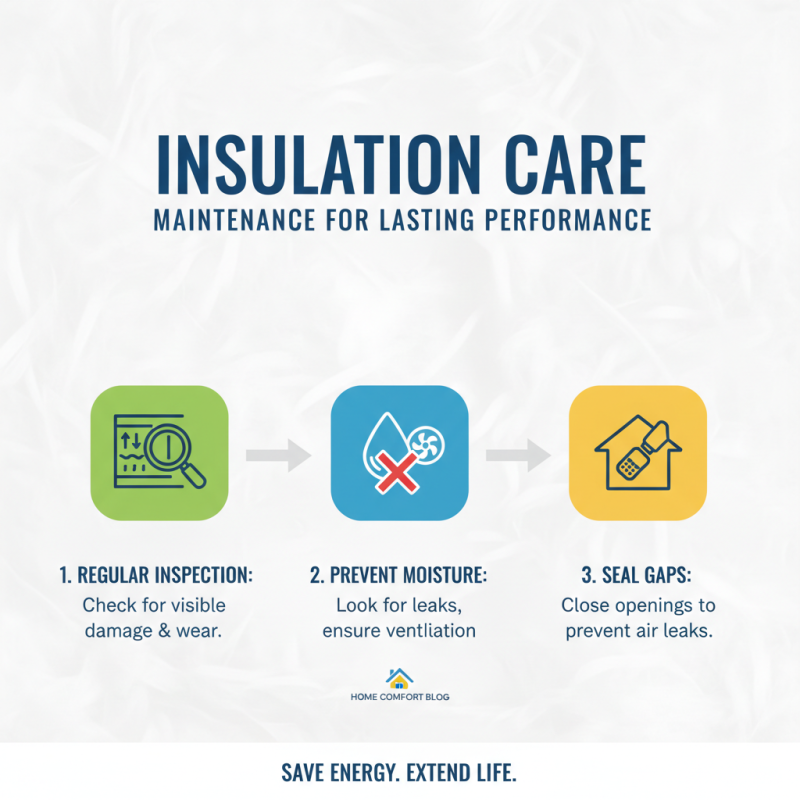
Proper maintenance of insulation can extend its life and improve effectiveness. Begin by regularly inspecting your insulation for visible damage. Look for moisture, which can degrade materials. Ensure that there are no gaps or spaces allowing air leaks. Even small openings can lead to significant energy loss.
Cleaning is essential. Dust and debris can accumulate on insulation surfaces, reducing thermal performance. Use a soft brush to clear away dirt. If you notice mold or mildew, take action immediately, as it can compromise insulation. Repair any leaks in the container. Use airtight seals to minimize airflow.
Consider seasonal adjustments as well. Insulation needs can change throughout the year. Insulate areas differently depending on the climate. For instance, in colder months, check your insulation's integrity more frequently. Reflecting on the overall condition regularly can lead to better energy efficiency and a longer lifespan for your insulation solutions.