How to Effectively Use Shipping Cargo Containers for Your Business?
Shipping cargo containers are more than just boxes. They hold the potential to transform your business operations. In various industries, these containers provide solutions for storage, transportation, and even workspace.
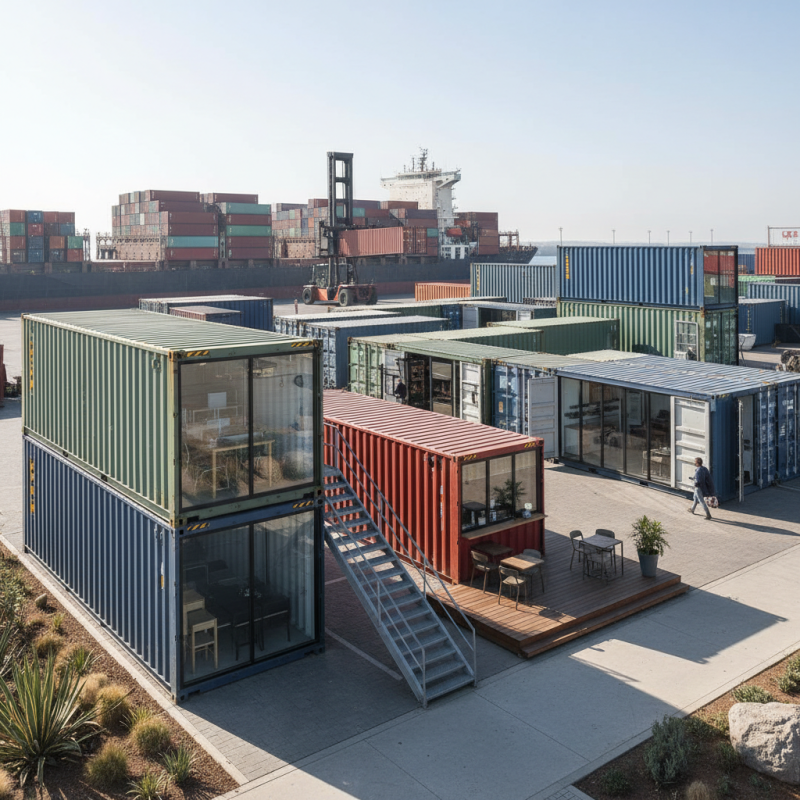
For small businesses, using shipping cargo containers can reduce operational costs significantly. They can be converted into offices or retail spaces. Many businesses have successfully done this, but it requires proper planning. Not everyone considers the challenges that come with modifications.
While deciding to use shipping cargo containers, businesses must reflect on their specific needs. Understanding your requirements ensures maximum efficiency. Improper use of these containers can lead to wasted resources. Investing time in planning can lead to greater success. Remember, it’s not just about having shipping cargo containers; it’s about using them wisely.
Understanding the Benefits of Shipping Cargo Containers for Businesses
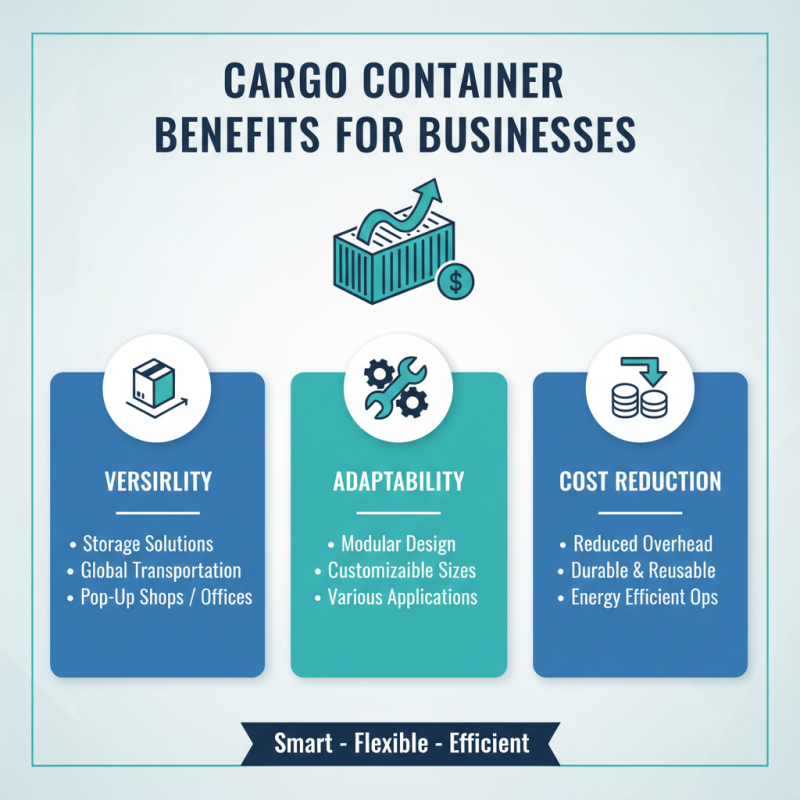
Shipping cargo containers provide various benefits for businesses. They are versatile and can adapt to many needs. Companies can utilize these containers for storage, transportation, and even as pop-up shops. This flexibility can reduce overhead costs significantly.
Consider these tips: **Assess your space** before acquiring containers. Ensure you have adequate room to store or position them. Poor placement can hinder operation efficiency. **Customize your containers** to suit your business needs. Adding shelves or insulation can enhance functionality. Reflect on how this investment aligns with your vision.
Investing in shipping containers has challenges. Maintenance is essential to prolong their life. Neglecting rust or damage can lead to costly repairs. Take time to inspect your containers regularly. This small effort can prevent larger headaches down the road.
Types of Shipping Containers and Their Suitable Applications in Industries
Shipping containers come in various types, each designed for specific applications in different industries.
Standard dry containers are commonly used for general cargo. They are suitable for items that do not require temperature control.
Reports indicate that over 85% of global cargo is transported in these containers. Their versatility makes them a preferred choice for retailers and wholesalers.
Refrigerated containers, or reefer containers, are essential for transporting perishable goods. They maintain a controlled temperature, ensuring freshness.
The food industry heavily relies on them, with approximately 30% of food exports shipped this way. However, the energy consumption of these units requires careful management. Many companies struggle to balance efficiency and sustainability in their logistics.
Specialized containers exist for unique needs. Tank containers transport liquids, while flat-rack containers accommodate oversized cargo.
Each type serves a purpose, yet businesses often overlook their limitations. Utilizing the wrong container can lead to damage and increased costs. It’s crucial to evaluate specific requirements before selection.
Cost Analysis: Comparing Traditional Warehousing vs. Shipping Containers
When comparing traditional warehousing to shipping containers, cost is a critical factor. Traditional warehousing often involves significant overhead costs. Rent, utilities, and maintenance can quickly add up. In contrast, shipping containers require a one-time purchase or rental fee. This can lead to significant savings over time.
However, it's important to note that while containers can be cheaper, their setup requires careful planning. Shipping containers need to be placed on suitable ground. You might need extra space for access. This isn't always straightforward. Additionally, it's essential to consider customization needs. Insulation, ventilation, and security add costs but improve functionality.
It’s also worth examining long-term implications. While initial costs might favor containers, think about expansion and scalability. Traditional warehouses can more easily accommodate growth. Containers may limit future options. Analyze your business's unique needs before making a decision. Balancing between cost and strategy is crucial.
Cost Analysis: Comparing Traditional Warehousing vs. Shipping Containers
Best Practices for Customizing and Modifying Cargo Containers for Business Use
Customizing and modifying cargo containers can significantly enhance business efficiency. According to a report by Market Research Future, the global portable storage market is projected to reach $12 billion by 2025. This indicates a growing trend towards versatile solutions that cargo containers can offer.
When modifying containers, consider insulation and ventilation. A well-insulated container can improve temperature control, especially for perishable goods. Utilizing windows or air vents can prevent humidity issues. However, errors in these modifications can lead to unwanted temperature fluctuations, compromising the quality of the contents.
Another area to focus on is space optimization. Creative shelving can maximize storage capacity. Customizing interiors for specific needs offers flexibility. However, failing to accurately assess storage requirements can lead to wasted space. It's crucial to regularly evaluate the efficiency of these modifications to prevent stagnation and ensure continuous improvement.
How to Effectively Use Shipping Cargo Containers for Your Business? - Best Practices for Customizing and Modifying Cargo Containers for Business Use
| Aspect |
Description |
Best Practices |
| Size |
Choosing the right container size based on business needs. |
Consider standard sizes: 20ft or 40ft, depending on storage space. |
| Customization |
Modifying the container for specific uses. |
Add windows, insulation, and electrical systems for workspaces. |
| Security |
Ensuring the safety of the contents stored. |
Install locks, alarms, and surveillance cameras. |
| Transportation |
Shipping containers require proper handling during transport. |
Use certified carriers and ensure proper loading techniques. |
| Maintenance |
Keeping the container in good condition. |
Regular inspections and repairs of rust and leaks. |
| Zoning |
Regulations regarding container placement. |
Check local zoning laws and obtain permits. |
| Environment |
Using containers for eco-friendly practices. |
Repurpose containers for sustainable projects. |
Logistics and Transportation: Efficiently Managing Cargo Container Shipments
Managing cargo container shipments is crucial for business efficiency. Proper organization can reduce costs and improve delivery times. Understanding your shipping routes enables you to make smarter decisions. Analyze which containers are best for your goods. Consider size, weight, and stacking ability.
Communication among teams is vital. Discrepancies can lead to delays. Regular check-ins can help keep everyone on track. It’s important to foster a culture of feedback. Mistakes are inevitable, but learning from them is essential. Maybe a container was loaded improperly last month. What can be changed today?
Technology plays a key role. Tracking systems add transparency to the process. Knowing the location of your shipments in real-time can prevent surprises. However, not all businesses use technology effectively. Some rely solely on paper. That often leads to chaos. Reflecting on these practices can highlight areas for improvement.