How to Use Shipping Containers for Storage Efficiently and Cost Effectively
The rise of containerization has revolutionized the logistics and storage industries, making shipping containers for storage a popular and practical solution for both businesses and individuals. According to a report from the International Maritime Organization, the global shipping container market is projected to reach a valuation of over $7 billion by 2025, driven by the increased demand for affordable and flexible storage options. This trend underscores the efficiency of utilizing these robust containers not just for shipping purposes, but also as a viable alternative for traditional storage methods.
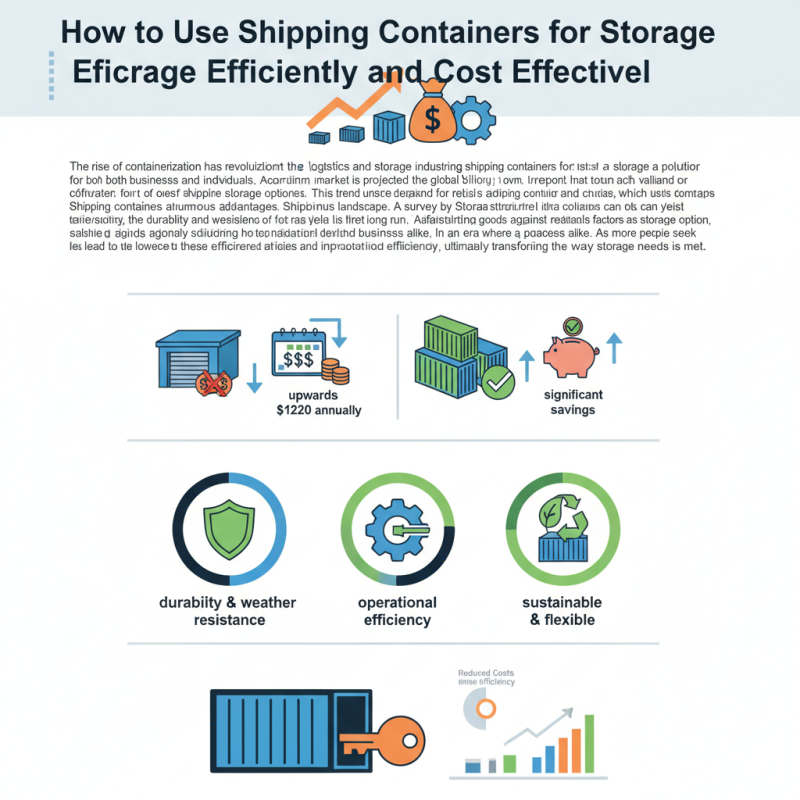
Shipping containers for storage offer numerous advantages, including cost-effectiveness and adaptability, which are crucial in today's rapidly changing economic landscape. A survey by Storage Insider estimates that renting conventional storage units can cost upwards of $1,200 annually, while investing in a shipping container can yield significant savings in the long run. Additionally, the durability and weather resistance of shipping containers provide an optimal solution for safeguarding goods against environmental factors, further enhancing their appeal as a storage option.
In an era where space is at a premium, utilizing shipping containers for storage presents a strategic opportunity for individuals and businesses alike. As more people seek sustainable and flexible storage solutions, understanding how to use these containers efficiently can lead to lowered costs and improved operational efficiency, ultimately transforming the way storage needs are met.
Understanding the Advantages of Using Shipping Containers for Storage
Shipping containers have emerged as a popular solution for storage needs due to their numerous advantages and cost-effectiveness. According to a report by the International Organization for Standardization (ISO), over 97% of global trade is carried out via shipping containers, demonstrating their robustness and durability.
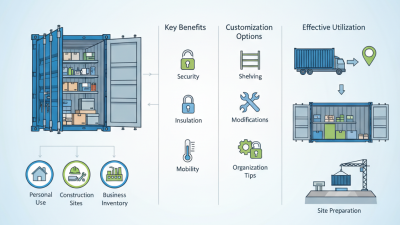
These containers are built to withstand harsh weather conditions and can be easily relocated, making them an ideal choice for both temporary and long-term storage solutions.
One of the key benefits of using shipping containers for storage is their affordability. The average cost of a used shipping container ranges from $1,500 to $3,000, depending on size and condition, which is significantly lower than traditional storage facilities that often charge monthly fees. Additionally, shipping containers are versatile; they can be customized with shelves, ventilation systems, and even temperature control, catering to diverse storage requirements. According to a survey conducted by the Container Owners Association, nearly 60% of businesses report improved efficiency in their operations when utilizing shipping containers for storage, highlighting their effectiveness in optimizing space and resources.
Choosing the Right Type and Size of Shipping Container for Your Needs
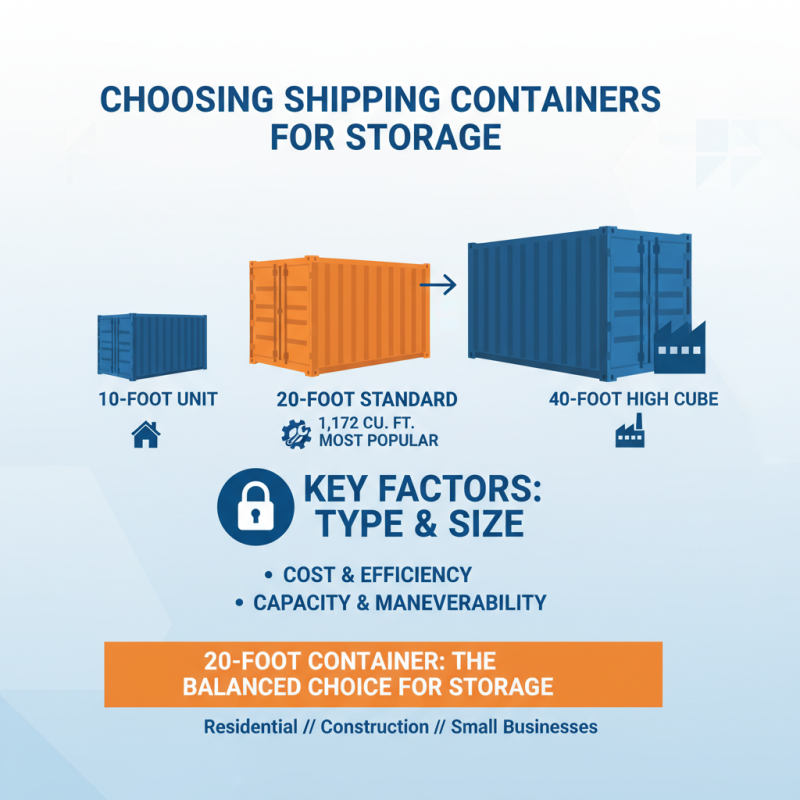
When considering the use of shipping containers for storage, one of the most critical factors is choosing the right type and size to meet your specific needs. With options ranging from 10-foot units to 40-foot high cubes, the variability in dimensions can significantly influence both cost and efficiency. According to industry reports, the standard 20-foot shipping container is the most popular choice for storage due to its balance of capacity and maneuverability, offering approximately 1,172 cubic feet of interior space. This makes it ideal for residential storage, construction sites, and even small businesses.
In addition to size, selecting the appropriate type of shipping container is essential for optimizing storage solutions. Containers come in various configurations including standard, refrigerated, and open-top, each serving different purposes. For instance, a refrigerated container is imperative if you are storing perishable goods, while an open-top container may be necessary for oversized items. Industry data indicates that about 30% of container users experience inefficiencies due to mismatched container types for their storage needs. Therefore, taking the time to assess your specific storage requirements, including the types of materials to be stored and their dimensions, can drastically enhance both the efficacy and cost-effectiveness of your overall storage strategy.
Best Practices for Organizing and Maximizing Space in Shipping Containers
When utilizing shipping containers for storage, maximizing space and organization is paramount. One effective strategy is to categorize items before placing them in the container. Group similar items together, such as tools, seasonal decorations, or sporting equipment, to simplify finding what you need later. Consider using clear plastic bins for smaller items, which can enhance visibility and protect contents from moisture. Label each bin clearly to facilitate quick access.
Another best practice involves the placement of larger, less frequently used items at the back of the container and smaller items towards the front. This common organizational tip not only saves space but also streamlines the retrieval process. Additionally, utilizing vertical space is crucial; shelving units can significantly increase storage capacity by allowing items to be stacked rather than scattered on the floor.
**Tips:** When arranging your storage, consider the weight of items; heavier items should be placed at the bottom to maintain stability. For added ease, create a simple inventory list that details what is stored inside the container, which can save time and effort in the long run. Lastly, implement a maintenance routine to periodically check the condition of items stored in the container, ensuring that everything remains in good shape and accessible.
Organizing Space in Shipping Containers
This chart illustrates key metrics for organizing and maximizing storage efficiency in shipping containers. It includes the number of items that can fit per shelf, the average size of items, vertical space utilization percentage, and the maximum weight capacity. Using these metrics can help you optimize the use of space and resources effectively.
Implementing Cost-Effective Solutions for Shipping Container Storage
Using shipping containers for storage can be a highly cost-effective solution, especially for businesses and individuals looking for additional space. One of the primary advantages of shipping containers is their modular nature, allowing for stackable storage. By optimizing vertical space, users can significantly increase their storage capacity without the need for extensive groundwork or permanent infrastructure. Additionally, these containers are durable and weather-resistant, ensuring that stored items are protected from the elements, which can minimize potential future costs from damages.
Implementing smart organizational strategies can further enhance the efficiency of shipping container storage. Utilizing shelving systems and bins within the container can help create a more organized environment, allowing for easy access and retrieval of items. Instead of placing everything on the floor, shelves can make effective use of vertical clearance, providing a streamlined setup for various types of goods. Furthermore, regular inventory checks and categorization can aid in maintaining order within the container, ultimately saving time and reducing the likelihood of overbuying or losing track of supplies. This organized approach not only maximizes the available space but also ensures that the storage solution remains cost-effective over time.
How to Use Shipping Containers for Storage Efficiently and Cost Effectively
| Storage Solution |
Container Size (ft) |
Cost per Month |
Capacity (Cubic Feet) |
Ideal Use Case |
| Standard Dry Container |
20 |
$100 |
1,169 |
General storage |
| High Cube Container |
40 |
$140 |
2,694 |
Tools and Equipment |
| Refrigerated Container |
20 |
$300 |
1,170 |
Perishable goods |
| Open Top Container |
40 |
$180 |
2,350 |
Bulk materials |
| Flat Rack Container |
40 |
$160 |
2,402 |
Heavy equipment |
Maintaining and Securing Your Shipping Containers Over Time
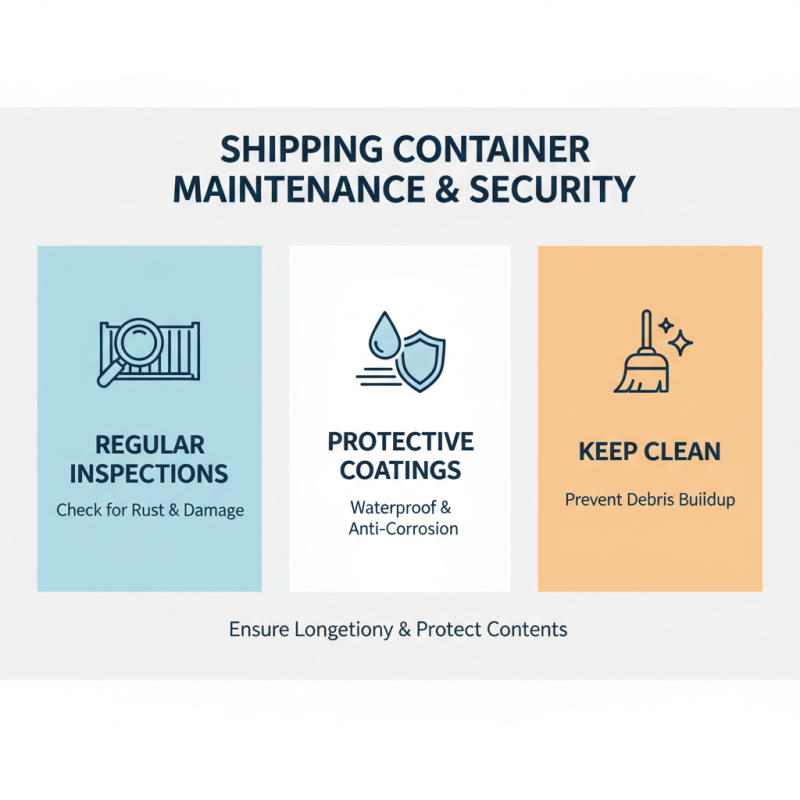
Maintaining and securing shipping containers is essential for ensuring their longevity and protecting the items stored within. Regular inspections should be performed to check for signs of wear and tear, such as rust or structural damage. Applying a waterproof sealant to the exterior can prevent water intrusion and mitigate corrosion. Additionally, keeping the container clean and free of debris not only enhances its lifespan but also makes it easier to assess any potential issues that may arise.
Securing your shipping containers is equally important to prevent theft and vandalism. Installing robust locks on the doors is a fundamental step in safeguarding your belongings. For added security, consider using surveillance cameras and motion-sensor lighting around the container's vicinity. Furthermore, positioning the container in a well-lit, visible location can deter unauthorized access. It’s advisable to develop a routine for checking the security measures in place, ensuring that both the physical locks and any electronic systems are functioning correctly. This proactive approach will not only protect your stored items but also provide peace of mind over time.