10 Essential Tips for Building with Shipping Container Buildings?
Shipping container buildings are transforming the way we think about architecture and sustainability. Marcus McDonald, an expert in sustainable design, once stated, "Shipping containers offer unique possibilities for efficient living." This perspective highlights the innovative nature of using shipping containers as building materials.
Constructing with shipping container buildings can be a rewarding yet challenging endeavor. The modular design offers flexibility, but it requires careful planning. Issues such as insulation and structural integrity often arise. Navigating these concerns is crucial to ensure a safe and functional space.
People frequently overlook the importance of local regulations. Not every area allows shipping container buildings, creating potential hurdles. Understanding zoning laws is essential before starting. Overall, building with shipping containers requires both creativity and diligent research to maximize their benefits.

Understanding the Benefits of Shipping Container Buildings
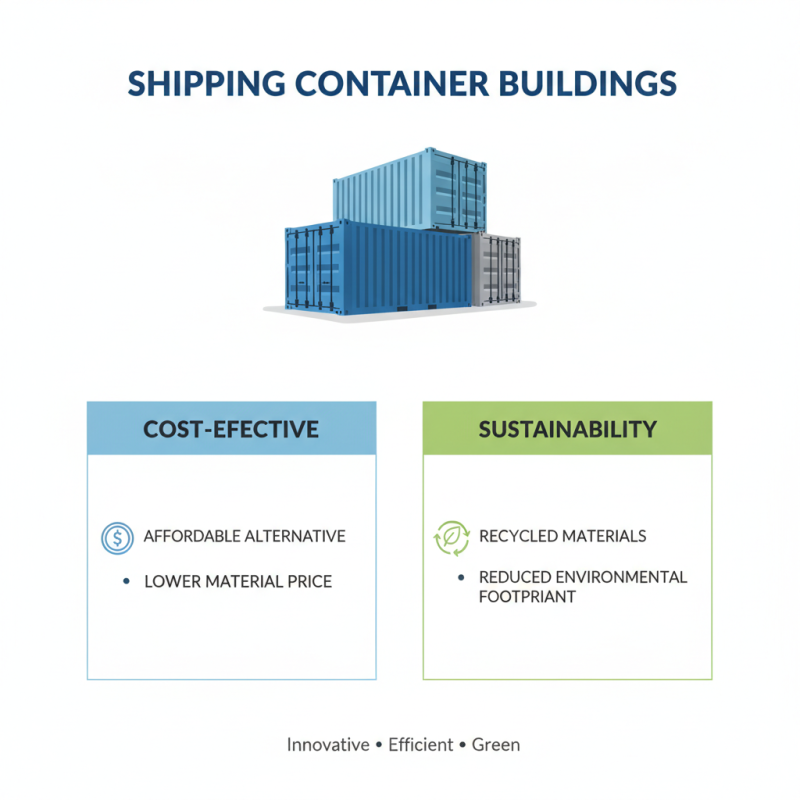
Shipping container buildings offer unique advantages that appeal to various developers. They are cost-effective, providing an affordable alternative to traditional construction. Containers are often available at a lower price, making them a viable option for budget-constrained projects. In terms of sustainability, shipping containers are recycled materials, contributing to a reduced environmental footprint. This aligns with growing trends in sustainable architecture.
The versatility of container buildings is striking. They can be modified and stacked to create diverse layouts. From homes to restaurants, the possibilities are vast. However, designing these structures is not without challenges. Proper insulation is essential, as metal containers can be uncomfortable in extreme climates. Additionally, local zoning laws may complicate the permitting process. Developers must navigate these hurdles with care.
Aesthetic appeal is another key factor. Container buildings can be visually stunning when designed thoughtfully. Colors, finishes, and landscaping can transform a simple container into a striking structure. Yet, finding the right balance between functionality and design can take time and reflection. Every decision counts in creating an inviting space while maintaining the container's original charm.
Selecting the Right Container: Size and Condition Considerations
When selecting a shipping container for your building project, size and condition are critical factors.
Containers come in various sizes, typically 20-foot and 40-foot lengths. A 20-foot container works well for smaller projects, like a home office. Meanwhile, a 40-foot container offers more space for larger designs. Think about how you plan to utilize the space. Could you need extra room for storage or living areas?
Condition matters just as much as size. New containers are clean and structurally sound, but they often come at a higher price. Used containers can be a budget-friendly option. Yet, they might have rust or damage. Inspect each container thoroughly. Look for leaks, dents, and structural integrity. Even minor flaws can lead to significant issues later. Sometimes, choosing the cheaper option ends up being more costly due to repairs.
Don't forget about local regulations. Some areas have strict rules regarding container modifications. Understanding these guidelines can save time and money. While the appeal of shipping container buildings is clear, the details can be challenging. Balancing budget, function, and rules is vital for a successful project.
Designing for Functionality: Layout and Space Optimization
When designing a shipping container building, maximizing space is crucial. Each container is limited in area, so thoughtful layouts are essential. Think about multifunctional spaces. A living area can double as a workspace with clever furniture choices. Use foldable tables and modular seating to create versatility.
Consider natural light and airflow too. Strategic window placement enhances comfort. Yet, cutting windows can weaken structural integrity. There’s a balance to strike. Open floor plans can feel airy, but they may lack privacy. Implement partition walls where needed. They can create cozy nooks without closing the entire layout.
Reflect on your needs as well. Every resident's lifestyle is unique. What works for one may not suit another. Flexibility in design allows for future adaptations. Revisit your choices often. A periodically adjusted layout can improve functionality over time. Embrace imperfections in the process. It’s about crafting a space that feels right for you.
10 Essential Tips for Building with Shipping Container Buildings
This chart represents the importance level of various design considerations when building with shipping containers. Each factor is crucial for optimizing functionality and space in container architecture.
Building Codes and Regulations for Container Construction
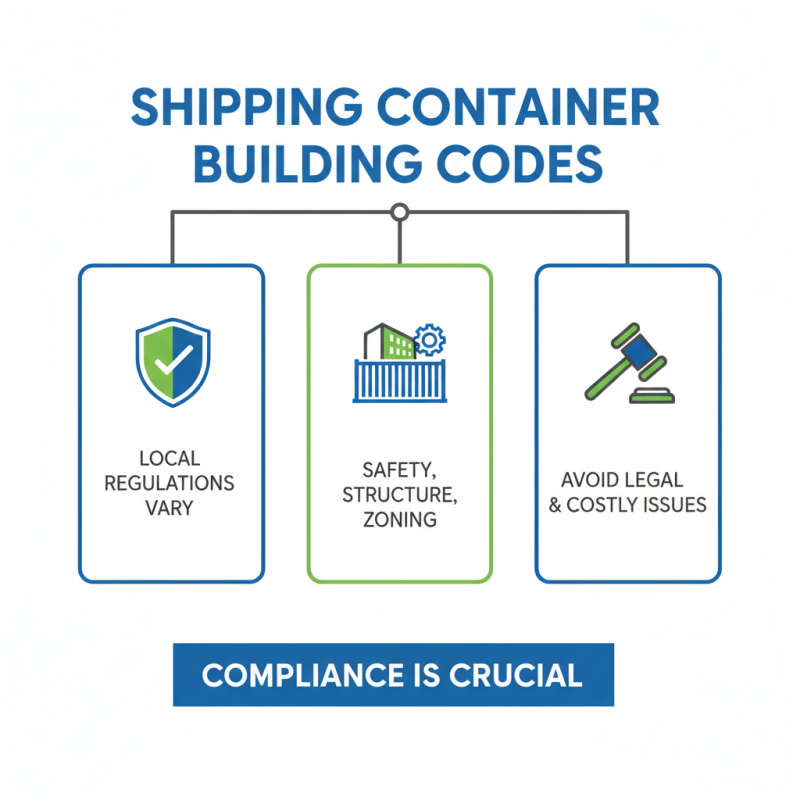
When building with shipping containers, it's crucial to consider local building codes. Each area has its own regulations. These rules dictate safety standards, structural integrity, and zoning requirements. Ignoring them could lead to legal issues and costly renovations.
For instance, some regions require proper insulation and ventilation in container homes. This ensures comfort and energy efficiency. It's important to consult local authorities before starting your project. They can provide information on permits and inspections. Additionally, understanding fire safety codes is vital. Containers must be modified to meet these standards.
Remember that not all containers are suitable for conversion. The age and condition of the container affect its usability. Always inspect for rust or structural damage. These factors can impact the overall safety and quality of your build. Building with containers offers endless possibilities, but due diligence ensures a successful outcome.
Sustainable Practices: Insulation and Energy Efficiency Tips
Insulation plays a crucial role in shipping container buildings. Consider using spray foam insulation; it's efficient and fills gaps effectively. However, it can be a challenge to apply uniformly. Some areas may end up with uneven coverage, leading to cold spots. Pay attention to these details during installation.
Energy efficiency goes beyond insulation. Think about window placements. Large windows can provide natural light, but they can also lead to heat loss. You may need to balance aesthetics and energy savings. Using reflective films on windows can help reduce heat gain without sacrificing views.
Your choice of materials impacts sustainability too. Recycled or salvaged materials contribute to a greener project. Local sourcing can reduce carbon footprints. However, finding the right materials may take time and effort. Keep this in mind when planning your build. Every detail matters in creating a comfortable, energy-efficient shipping container home.
10 Essential Tips for Building with Shipping Container Buildings - Sustainable Practices: Insulation and Energy Efficiency Tips
| Tip No. |
Tip Description |
Sustainability Aspect |
Energy Efficiency Improvement |
| 1 |
Choose High-Quality Insulation |
Improves thermal performance |
Reduces heating and cooling costs |
| 2 |
Utilize Passive Solar Design |
Maximizes natural light |
Lowers electricity usage |
| 3 |
Incorporate Green Roofs |
Enhances biodiversity |
Improves insulation |
| 4 |
Install Energy-Efficient Windows |
Reduces heat loss |
Lower energy bills |
| 5 |
Use Recycled Materials |
Reduces waste |
Lower carbon footprint |
| 6 |
Implement Rainwater Harvesting |
Conserves water resources |
Lower water bills |
| 7 |
Use Insulated Doors |
Improves air tightness |
Reduces energy loss |
| 8 |
Integrate Energy Star Appliances |
Saves energy |
Lowers utility costs |
| 9 |
Ensure Proper Ventilation |
Improves air quality |
Enhances comfort |
| 10 |
Consider Solar Panel Installation |
Reduces reliance on grid |
Generates renewable energy |