10 Essential Tips for Navigating the Shipping Container World?
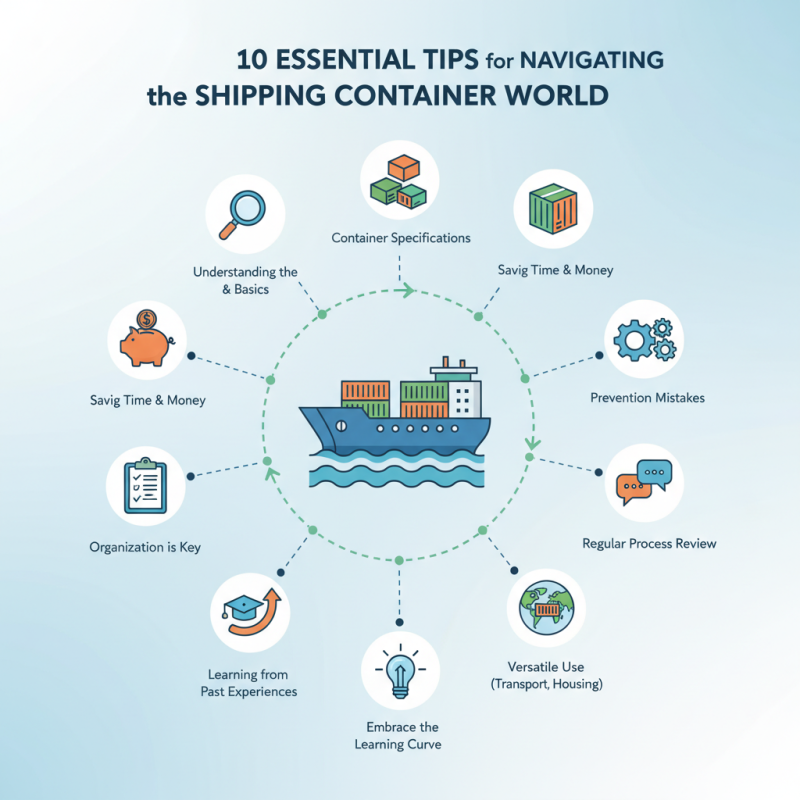
Navigating the shipping container world can be daunting. There are many aspects to consider. For newcomers, understanding the basics is crucial.
Shipping containers are versatile, used for transport, storage, and even housing. Each container has its specifications, sizes, and conditions. Knowing these details can save time and money. However, mistakes do happen. Mislabeling shipments or misjudging container sizes can lead to frustrations.
Organization is key in the shipping container world. A clear plan and communication can prevent many issues. Regularly reviewing your processes can help identify areas for improvement. Learning from past experiences also strengthens future decisions. Embrace the learning curve; it’s part of the journey.
Understanding the Basics of Shipping Containers and Their Uses
Shipping containers have transformed global logistics. They are sturdy metal boxes designed for transporting goods. Typically, these containers are 20 or 40 feet long. Their standard dimensions simplify loading and unloading processes. This uniformity reduces shipping costs and increases efficiency.
Containers serve various purposes beyond shipping. Many are repurposed into homes, offices, and cafés. They can provide affordable living solutions in urban areas. Some businesses use them for pop-up shops. However, the aesthetic appeal of a converted container can sometimes fall short. Poor insulation or inadequate ventilation can turn a brilliant idea into a challenge. It’s crucial to assess the site and climate before renovation.
Understanding how shipping containers stack and load is vital for efficient transport. Miscalculating weight or dimensions can lead to costly mistakes. These errors may cause delays and damaged goods. Knowledge of container types is also key. Each type has its own weight limits and specifications. Approaching projects with a flexible mindset is essential. Frequent challenges require innovative solutions and adaptability in the shipping container world.
Top 10 Shipping Container Uses
Choosing the Right Type of Shipping Container for Your Needs
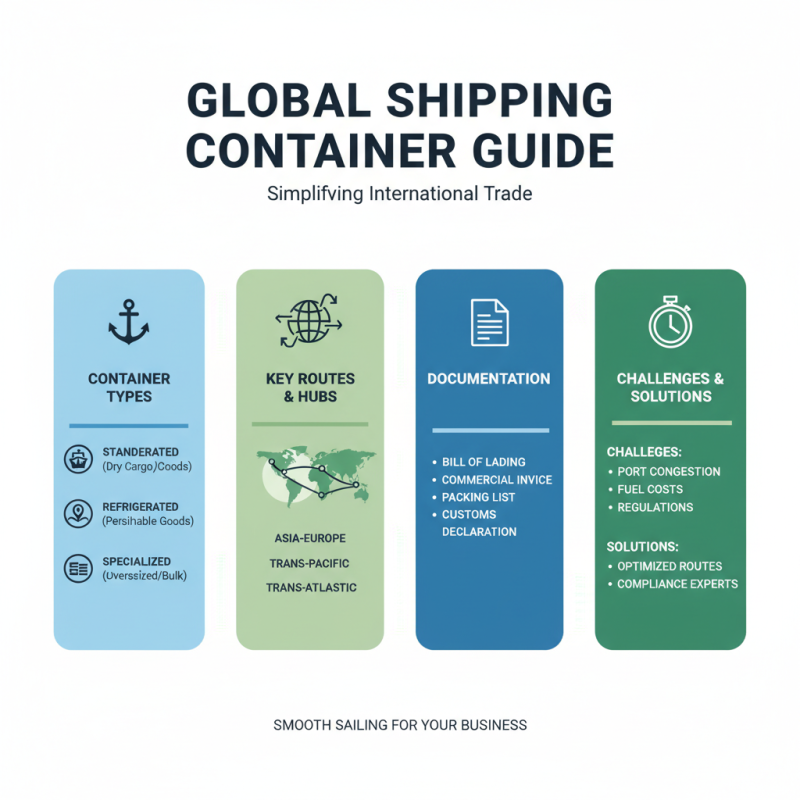
When choosing the right type of shipping container, consider your specific needs carefully. Understand the dimensions you require. Standard sizes include 20-foot and 40-foot containers. If you need extra height, high-cube containers could be beneficial. Make sure to evaluate the available space for loading and unloading. Clarity in your requirements will prevent future headaches.
Consider what you'll store inside. If it’s sensitive materials, look for temperature-controlled containers. If it’s for construction tools, a standard dry container may suffice. Think about whether you need ventilation or shelving. Each addition can significantly impact your decision. Analyze everything thoroughly.
Don't overlook the condition of the container. New containers come with guarantees but can be expensive. Used containers are an option, but ensure you inspect them closely. Look out for rust or structural issues. Sometimes, a worn container might serve your purpose, but reflection is crucial. Make informed choices to avoid regrettable ones later.
Tips for Efficiently Loading and Securing Your Shipping Containers
Loading and securing your shipping containers is crucial for safe transport. Start by organizing your cargo. Group items by size and weight. Heavy items should go on the bottom. This prevents shifting during transit. Use pallets to lift goods off the container floor. This helps with airflow and avoids moisture damage.
Securing your cargo is just as important. Ratchet straps are a strong option. They can withstand rough conditions. Place them over the cargo and attach them to the container walls. Using dunnage, like foam or air bags, provides extra cushioning. It fills gaps and prevents movement of items. But remember, overloading is a common mistake. Always check weight limits.
Properly distributing weight is vital. Uneven weight can cause tipping and instability. When in doubt, take a moment to reassess your load. Think about how containers are stacked on ships. Stability is key. If issues arise, reflect on your methods and adjust as needed. Each shipment teaches valuable lessons about loading and securing cargo effectively.
Navigating Regulations and Compliance for Shipping Containers
Navigating the shipping container world can be daunting. Compliance with regulations is crucial. Recently, the OECD reported that over 40% of shipping businesses face delays due to non-compliance. Understanding local rules is essential.
Tip: Always review the specific regulations in the regions where you operate. Issues may arise that are unique to a location. For example, some countries require quarantine inspections for agricultural containers. Failing to comply can lead to costly fines.
It's important to recognize that rules can change. New regulations may emerge unexpectedly. This requires constant vigilance. A 2022 report showed that 30% of shipping companies did not stay updated with regulatory changes, resulting in significant penalties.
Tip: Create a compliance calendar. Keep track of deadlines for documentation and inspections. This proactive approach can save resources and avoid legal troubles down the line. Also, engage with local customs brokers who can provide valuable insights on compliance. They can help demystify the regulations that can often feel overwhelming.