
Using shipping containers for storage can be an innovative solution for both personal and business needs. These durable structures are weather-resistant and versatile. They offer ample space for storing a variety of items, from tools to furniture. When you choose to use shipping containers for storage, consider factors such as location and accessibility.
However, there are some challenges. Poor ventilation can lead to moisture issues if not managed properly. Also, improperly placed containers may limit usability and safety. Reflect on your specific requirements before deciding on the size or placement of the container. Remember, while shipping containers for storage can be highly beneficial, they require thoughtful planning for optimal use. Selecting the right container type will also influence your overall experience. Prioritize your needs to ensure effective storage solutions.
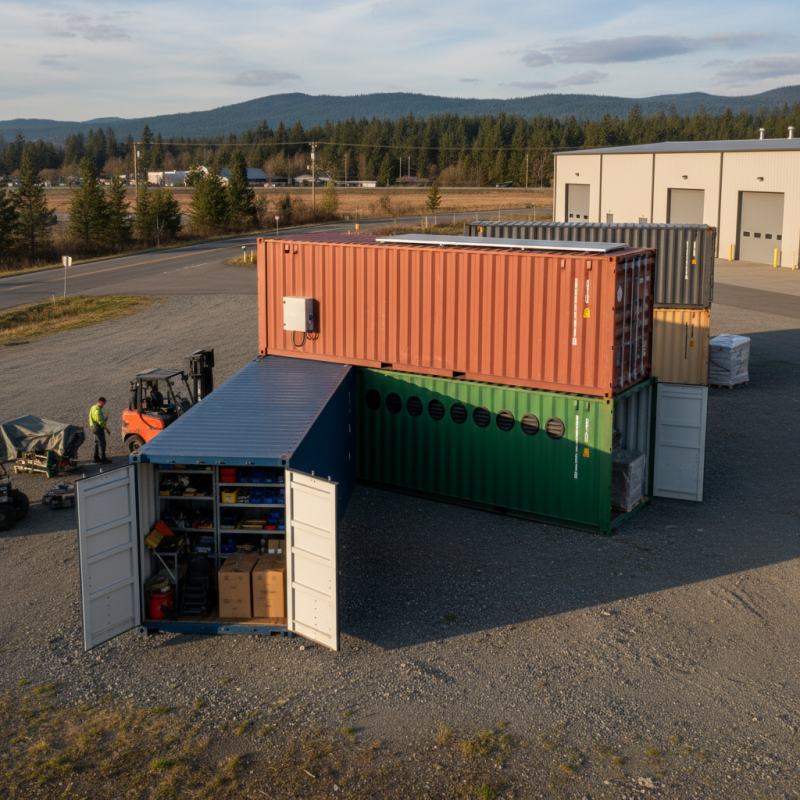
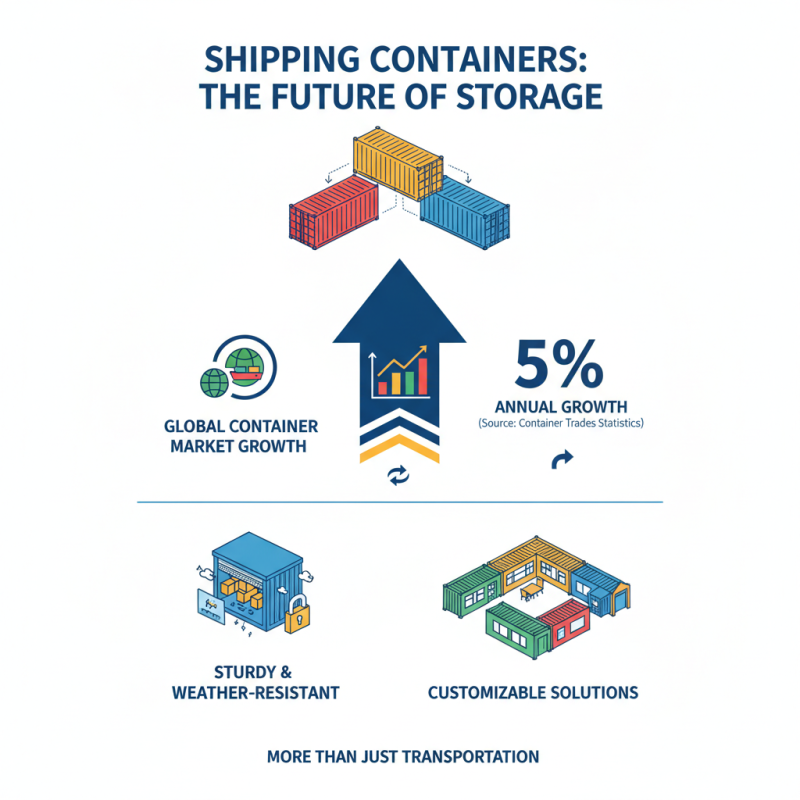
Shipping containers are increasingly popular for storage solutions. They provide a sturdy, weather-resistant option that can be customized to fit various needs. According to a report by the Container Trades Statistics, the global container market is expected to grow by 5% annually. This reflects a growing trend in using containers for more than just transportation.
One key benefit of using shipping containers is their affordability. They can be purchased or rented at a fraction of the cost of traditional storage units. Additionally, containers are durable. They are designed to withstand harsh travel conditions. Many users report that containers remain in excellent shape over time with minimal maintenance.
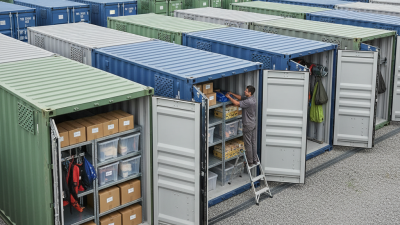
When considering a shipping container, think about size and location. Choosing the right size is crucial. A too-small container may not hold everything. On the other hand, a large one might be more expensive than necessary. Also, ensure the location is accessible. If it's difficult to reach, you won't use it as intended. Optimize space within the container. Use shelves and labels to keep everything organized. A well-organized container maximizes storage potential and can reduce clutter.
While shipping containers offer various advantages, challenges do exist. Weather-proofing is essential if you plan to store sensitive items. Rust can be an issue if containers are not properly maintained. Regular inspections will help mitigate potential problems.
When considering storage solutions, the size and type of shipping container is crucial. Different needs require different containers. A standard 20-foot container might suit personal storage, while a 40-foot version is better for larger items or more extensive inventory. Assessing your space is vital. Do you have enough room for a container?
To choose wisely, think about the items you plan to store. Large equipment needs a bigger container. When storing furniture, ensure the container has proper ventilation. It can prevent mold and deterioration. Don’t overlook condition; a rusty or damaged container won't protect your items.
Consider the climate as well. If you live in a humid area, a container with insulation may be necessary. Keep in mind that movement and accessibility can be factors. Will you need regular access to your items? Choose a location that’s convenient for you. This kind of reflection can save you time and money down the road.
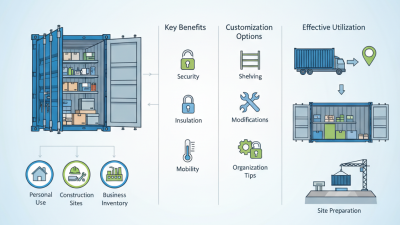
When optimizing container storage space, the right accessories can truly make a difference. Shelving units are a great start. They maximize vertical space. By adding shelves, you can keep items organized and easily accessible. Stackable bins help too. They keep smaller items in place without creating a mess.
Think about climate control as well. Containers can become hot or humid. Adding moisture-absorbing packets protects sensitive items. Ventilation kits are also important. They promote airflow and prevent mold. Don't forget about lighting. Installing battery-operated lights makes it easier to find what you need.
Consider customization options. Magnetic strips or pegboards provide versatility. Use them for tools or hanging storage. However, it’s essential to ensure that these additions don’t overwhelm the space. Too many accessories can lead to clutter. Reflect on what you truly need. A clear plan will result in an efficient and functional storage solution.
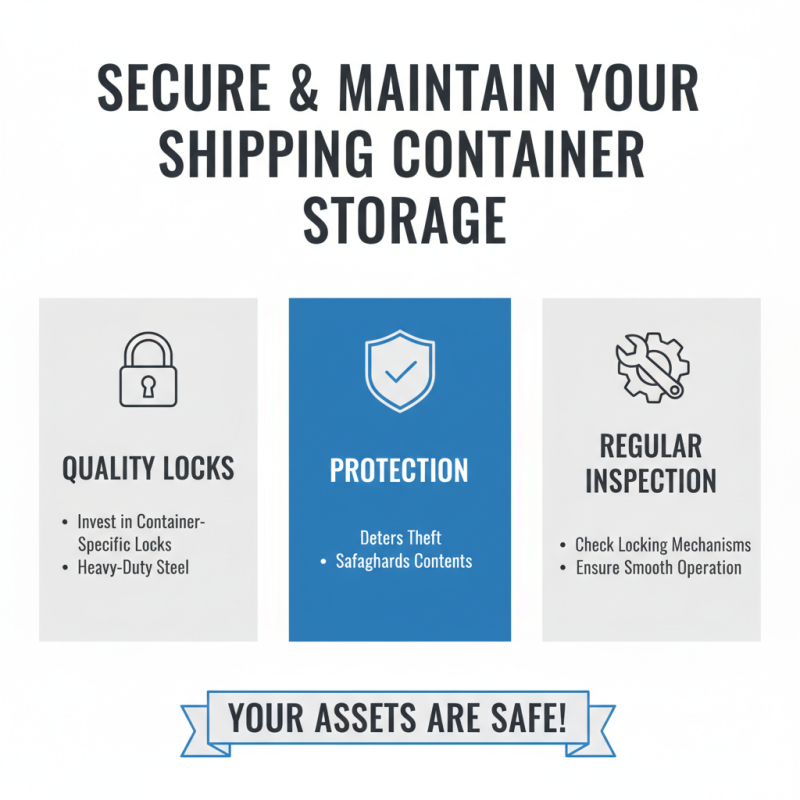
Shipping containers can serve as excellent storage solutions. However, securing and maintaining them is vital. A well-secured container protects your items from theft or damage. Investing in quality locks is essential. Choose locks designed specifically for containers. Regularly inspect locking mechanisms to ensure they operate smoothly.
Consider the placement of your shipping container. Avoid areas prone to flooding or heavy snow. Elevating the container slightly can help protect against moisture. Additionally, keep the area around the container clear. This simple step allows for better airflow and reduces the risk of mold growth.
Proper maintenance is crucial. Clean your container every few months. Remove any debris or potential hazards. Check for rust and treat it immediately if found. Ensure vents are functioning to prevent condensation. Small issues can escalate quickly if left unchecked. Staying proactive is key to long-term usage.
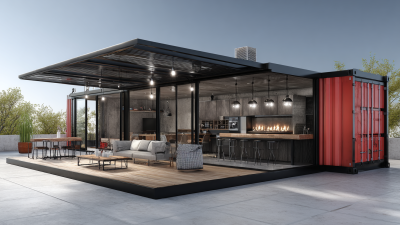
Shipping containers are no longer just for transporting goods. Their versatility opens up many creative uses. Many homeowners are transforming these containers into cozy guest houses. A 2021 survey indicated that around 7% of people have considered using shipping containers as living spaces. It's a compact solution with a unique aesthetic appeal.
Beyond storage, containers are great for community projects. A study from the Urban Land Institute found that 30% of cities have initiated container-based urban solutions. These initiatives can range from pop-up shops to community gardens. Using containers helps reduce construction waste. They are often available at lower costs, making them perfect for local businesses starting up.
However, using containers for innovative purposes can pose challenges. Lack of insulation can result in temperature issues. Proper ventilation is crucial to prevent moisture buildup. Additionally, aesthetics may conflict with local zoning laws. Not every location welcomes the idea of shipping containers. These factors require thoughtful planning and community engagement.