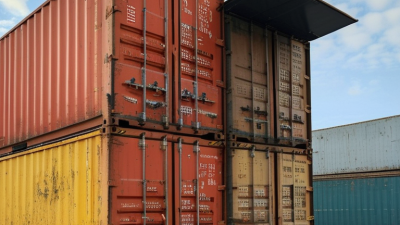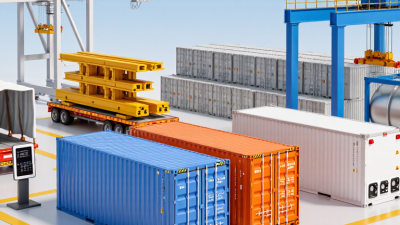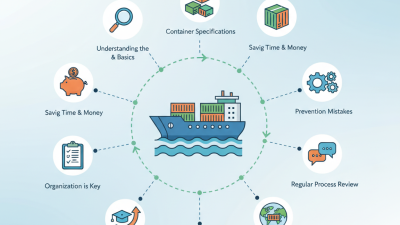

Buying a shipping container worldwide requires more than comparing online prices. It demands careful checks, realistic budgets, and clear communication with reputable suppliers. In the shipping container world, a low advertised price may exclude transport, customs handling, inspection, or local delivery. Buyers should define the container’s purpose before contacting sellers. Storage, construction, farming, and international cargo use different requirements. A 20-foot dry container may suit basic storage, while a high-cube model offers extra height for equipment or insulation.
Condition matters greatly. New, one-trip containers usually have cleaner floors, tighter doors, and fewer dents. Used units can be economical, but rust, roof damage, warped frames, and unpleasant odors require close inspection. Ask for recent photographs, serial numbers, measurements, and a written condition report. When possible, arrange an independent inspection near the depot. Small details matter. Check the door seals.
Reliable purchasing also means verifying technical and legal documents. Confirm the container’s dimensions, payload rating, manufacturing plate, and any required CSC certification for ocean transport. Import rules, taxes, port restrictions, and delivery permits differ by destination. A qualified freight forwarder or customs professional can clarify these obligations before payment. Do not rely only on a polished website. Verify the supplier’s business identity, references, payment terms, refund policy, and insurance coverage. Secure payment methods reduce avoidable risk.
There is no perfect global buying formula. I have seen attractive quotes become expensive after inland delivery was added. That possibility deserves attention. Compare the complete landed cost, not just the container price. With patient research, documented inspections, and realistic logistics planning, buyers can make a safer, more informed decision across international markets.
Before comparing prices, define what the container must do. A unit for ocean transport needs different checks than one used as a garden store. UNCTAD’s Review of Maritime Transport 2023 reports that ships carry over 80% of global merchandise trade by volume. This scale makes container standards important, but it does not make every used unit suitable for every purpose.
Measure the cargo first.
Record its length, width, height, weight, loading method, and ventilation needs. A 20-foot container may suit dense machinery, while a 40-foot high-cube unit provides extra internal height for bulky goods. Check door opening dimensions, not only external measurements. Pallets can fail to pass through a narrow opening. It happens.
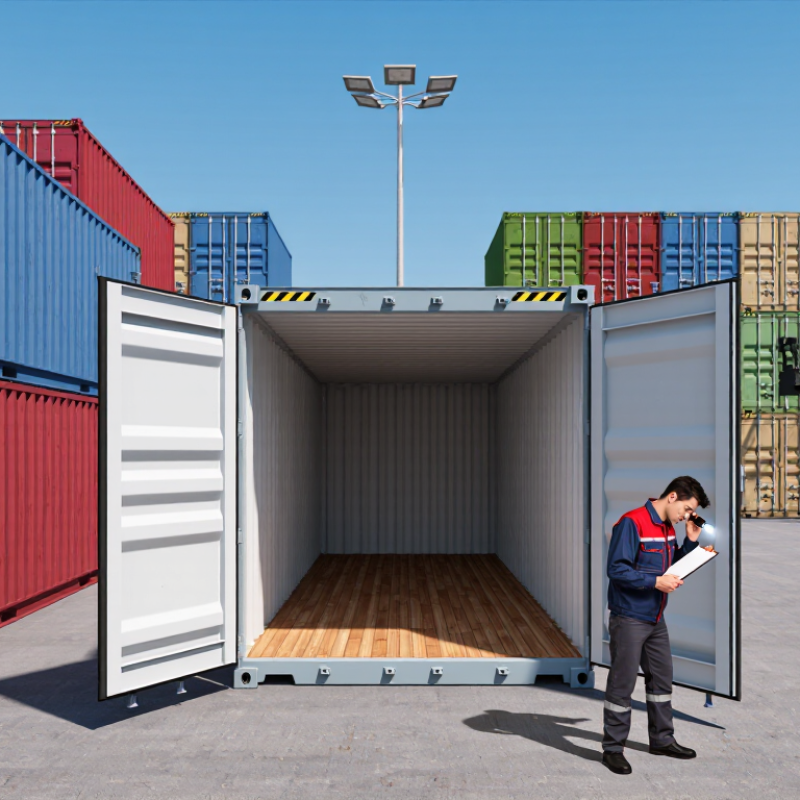
For storage, inspect roof seams, corner posts, floor damage, door seals, and visible corrosion. For conversion projects, assess insulation, electrical planning, airflow, and local placement rules before purchase. If the container will travel by sea, request current safety-approval documentation and confirm its identification number. Industry standards help, but condition still varies sharply between units. The World Shipping Council notes that containers support global intermodal movement, yet handling equipment and terminal requirements differ by location. I would also allow money for cleaning, transport, lifting, and repairs. My earlier mistake was comparing purchase prices alone. A cheaper container can become expensive after delivery, crane hire, and floor replacement.
When buying shipping containers worldwide, match the container type to your cargo and route. A standard dry container suits boxed goods and general equipment. Refrigerated units require continuous power and temperature monitoring. Open-top containers help with tall cargo, but cranes may be necessary. A 20-foot unit is easier to place, while a 40-foot high-cube model offers more volume. Bigger is not always better. Local roads, gates, and unloading space may limit delivery. Measure the site carefully, including turning areas and overhead clearance. Request the container’s external dimensions, tare weight, payload, door opening, and floor condition.
Grade affects both price and reliability. New or one-trip units usually have cleaner interiors. Used wind-and-watertight containers may show dents or surface rust. Cargo-worthy units should pass documented inspections, but grading language can vary between sellers. Ask for recent photos, inspection dates, corrosion details, door-seal condition, locking-rod operation, and floor repairs. Available features may include lockboxes, vents, shelving, side doors, insulation, ramps, or lighting. Modified electrical systems need qualified inspection where the unit will operate. A missed detail can become an expensive correction.
Tips: Compare complete landed costs, not only the container price. Include inland transport, ocean freight, insurance, duties, terminal charges, and unloading equipment. Confirm currency, delivery terms, payment stages, and refund conditions in writing. Ask who handles damage claims. No checklist catches everything, so leave time for a second inspection before dispatch.
Research container types, sizes, grades, and available features before comparing suppliers. The chart shows approximate internal volume for common ISO dry-container sizes.
Approximate internal volumes: 20-foot standard: 33.2 m³, 40-foot standard: 67.7 m³, 40-foot high cube: 76.4 m³, and 45-foot high cube: 86.0 m³. Actual dimensions and payload limits vary by container design, construction year, and the CSC safety plate.
How to Buy Shipping Containers Worldwide?
Compare suppliers by more than the lowest advertised price. Check their operating history, response quality, inspection process, and written warranty terms. Ask for recent photos, door-condition details, floor measurements, and a clear container identification number. A reliable supplier should explain defects honestly, not hide them behind polished images. Short answers can be a warning.
Location changes the real cost. A container stored near a major port may cost less to deliver internationally than a cheaper unit inland. Request separate figures for the container, local transport, terminal handling, export documentation, ocean freight, insurance, and destination charges. Prices can change quickly. Quotes also expire. My first comparison would have been too narrow if I had ignored unloading equipment at the final site.
Compare delivery options carefully. Port-to-port service may suit experienced importers, while door delivery offers fewer handover points but higher charges. Confirm shipping schedules, transit estimates, required documents, customs responsibilities, and destination access limits. Verify the container’s external and internal dimensions against your cargo. Small measurement errors can cause expensive delays. Ask whether the unit is wind- and watertight, and record agreed conditions before payment. Local import rules still apply. Use only lawful cargo and accurate declarations. Leave room for unexpected storage, inspection, or weather-related delays.
A practical comparison of common container-buying regions, indicative market prices, delivery routes, and purchasing requirements.
| Supply Region | Common Supplier Type | Typical Port or Inland Location | Container Types Commonly Available | Indicative Purchase Price (USD) | Typical Condition | Estimated Local Transport | International Delivery Options | Typical Ocean Transit Time | Documents and Checks | Important Buying Considerations |
|---|---|---|---|---|---|---|---|---|---|---|
| East Asia | Manufacturers, trading yards, and large container depots | Major container ports and industrial inland depots | 20-foot standard, 40-foot standard, 40-foot high-cube, refrigerated, open-top, and special-purpose units | $1,500–$3,800 for standard units | New, one-trip, cargo-worthy, and wind-and-watertight | $150–$900, depending on distance, truck type, and road permits | Full-container-load sea freight; buyer-arranged freight forwarding; port-to-port or door-to-door service | Approximately 10–35 days to nearby Asian, Middle Eastern, European, or North American ports | Commercial invoice, packing list, bill of lading, container identification, inspection report, and export documents | Usually the widest selection and strongest availability; verify the exact factory location and whether the quoted price includes export handling |
| South Asia | Regional dealers, fabrication yards, exporters, and used-equipment depots | Large seaports and inland logistics centers | 20-foot and 40-foot dry containers, high-cube units, refrigerated units, and modified containers | $1,600–$4,000 for standard units | Used, cargo-worthy, wind-and-watertight, refurbished, and modified | $200–$1,000 for local delivery, crane service, and positioning | Port-to-port ocean freight, consolidated project cargo for special units, and door delivery through a freight forwarder | Approximately 15–40 days, depending on destination and transshipment | Sales invoice, export declaration, bill of lading, inspection records, and treatment or fumigation documents where required | Used prices can be competitive; inspect corrosion, floor condition, door seals, and previous cargo history before payment |
| Southeast Asia | Container depots, shipping-equipment traders, exporters, and local resellers | Coastal ports and inland depots near manufacturing and logistics zones | Standard dry containers, high-cube units, refrigerated containers, and second-hand units | $1,700–$4,200 for standard units | New, one-trip, used cargo-worthy, and wind-and-watertight | $150–$850, with additional charges for narrow roads or crane unloading | Full-container-load shipping, port pickup, direct trucking, and door-to-door logistics | Approximately 7–30 days to regional destinations and 20–45 days to distant markets | Invoice, packing list, bill of lading, export clearance, inspection report, and import documents for the destination country | Check whether the unit is locally owned or leased, because ownership status may affect exportability and documentation |
| Europe | Container depots, logistics companies, leasing-market resellers, and specialized dealers | North Sea, Mediterranean, Baltic, and inland rail-connected depots | Used dry containers, high-cube units, refrigerated containers, tank containers, and special-purpose units | $2,200–$5,500 for standard units | Used, cargo-worthy, certified, refurbished, and new units | $250–$1,500, influenced by road distance, tolls, and delivery equipment | Short-sea shipping, rail and truck delivery, port-to-port ocean freight, and cross-border road transport | Approximately 3–25 days within Europe; longer for overseas destinations | Invoice, proof of ownership, container inspection, customs documents, and any applicable conformity or safety certificates | Strong inland transport infrastructure; prices may be higher but delivery scheduling and documentation are often more predictable |
| North America | Intermodal depots, equipment resellers, trucking companies, and regional storage yards | Atlantic, Pacific, Gulf, Great Lakes, and inland rail terminals | 20-foot and 40-foot dry containers, high-cube units, refrigerated containers, and modified units | $2,000–$5,000 for standard units | Used, wind-and-watertight, cargo-worthy, refurbished, and one-trip | $300–$2,000, depending on mileage, chassis availability, permits, and unloading requirements | Domestic trucking, rail transport, coastal shipping, and export ocean freight from major ports | Approximately 5–35 days for regional movement; 15–45 days for overseas shipping | Bill of sale, invoice, container number, inspection report, export filing, and destination import documentation | Confirm whether the price includes chassis use, demurrage, storage, delivery appointment, and unloading equipment |
| Latin America and the Caribbean | Port depots, local equipment dealers, freight forwarders, and construction-supply distributors | Major coastal ports and selected inland commercial centers | Used dry containers, high-cube units, refrigerated containers, and modified storage units | $2,000–$5,500 for standard units | Used, wind-and-watertight, cargo-worthy, and refurbished | $250–$1,800, depending on road conditions, island access, and crane requirements | Port-to-port ocean freight, feeder services, barge connections, and door delivery through local transport providers | Approximately 7–35 days regionally; 20–50 days from distant supply markets | Commercial invoice, bill of lading, import permit where applicable, customs entry, and inspection documents | Availability varies significantly by country; confirm local taxes, port charges, customs procedures, and final-mile access before ordering |
| Middle East | Port-based depots, industrial-equipment traders, logistics providers, and project suppliers | Major Gulf, Red Sea, and eastern Mediterranean ports | Standard dry containers, high-cube units, refrigerated containers, and project-specific modified units | $2,000–$5,000 for standard units | New, one-trip, used cargo-worthy, and refurbished | $200–$1,200, with possible surcharges for remote desert or industrial sites | Port-to-port ocean freight, feeder services, direct trucking, and multimodal project delivery | Approximately 7–30 days from nearby Asian, European, or African supply locations | Invoice, packing list, bill of lading, certificate of origin, customs documents, and import permits where required | Check heat exposure, roof condition, floor damage, and local restrictions on modified or refrigerated equipment |
| Africa | Port depots, importers, logistics companies, construction suppliers, and used-container yards | Major Atlantic, Indian Ocean, Mediterranean, and southern African ports | Used dry containers, high-cube units, refrigerated containers, and storage conversions | $2,300–$6,000 for standard units | Used, wind-and-watertight, cargo-worthy, refurbished, and new units | $300–$2,200, depending on inland distance, road access, escort requirements, and lifting equipment | Ocean freight, feeder vessels, rail where available, and truck delivery from the receiving port | Approximately 15–50 days, excluding possible port or customs delays | Commercial invoice, bill of lading, certificate of origin, import permit, customs declaration, and inspection or conformity documents | Budget for port storage, customs clearance, inland transport, and lifting; verify destination-site access before selecting a container size |
| Oceania | Container depots, intermodal operators, equipment dealers, and local resellers | Major coastal ports and inland logistics hubs | Standard dry containers, high-cube units, refrigerated containers, and used storage units | $2,500–$6,000 for standard units | Used cargo-worthy, wind-and-watertight, refurbished, and new | $300–$2,000, depending on urban congestion, distance, and unloading requirements | Domestic road and rail, coastal shipping, and international full-container-load service | Approximately 10–40 days from Asian supply markets; longer for other origins | Invoice, bill of lading, import declaration, biosecurity documents, and inspection records | Biosecurity rules can be strict; confirm clean floors, timber treatment, soil-free condition, and import requirements before shipment |
Buying a shipping container worldwide begins with evidence, not a low quotation. UNCTAD’s Review of Maritime Transport 2024 reported that global seaborne trade grew by 2.4% in 2023. More movement means more used equipment entering secondary markets.
Ask for the container number, manufacture year, dimensions, and CSC safety plate. Inspect the roof, corner posts, doors, hinges, seals, and floor from close range. Look for daylight through panels, fresh paint over rust, and uneven door gaps.
A professional survey should confirm cargo-worthy or wind-and-watertight condition. A clean photograph is not evidence.
Documentation must match the physical unit. Request ownership proof, a commercial invoice, inspection records, repair history, and recent dated photographs. Verify that the serial number appears consistently on the plate, doors, invoice, and survey.
The International Convention for Safe Containers requires valid safety approval for containers used in international transport. For refrigerated units, obtain temperature records and a written machinery test.
Seller reliability deserves equal attention. Check registration details, a verifiable address, independent references, and clear payment terms. The World Bank’s Logistics Performance Index 2023 highlights tracking and tracing as a core logistics capability, so insist on shipment tracking and handover records.
I once treated a polished exterior as proof of quality. That was a costly assumption. Independent inspection may feel excessive, yet hidden floor damage can cost more than the inspection itself.
Some sellers resist simple verification. Treat that resistance as information.
Buying a shipping container starts with a complete landed-cost plan, not the advertised unit price. Ask for the container’s age, dimensions, condition, inspection photos, and valid safety certification. Confirm whether the price includes loading, inland transport, port charges, and export documentation. Payment should follow a written contract with clear milestones. I prefer verified business details and payment records before releasing funds. A perfect cost forecast is unrealistic.
Transport planning needs practical detail. UNCTAD’s Review of Maritime Transport 2024 reports that maritime shipping carries over 80% of global merchandise trade by volume. This scale does not remove risk. Space shortages, port congestion, weather, and equipment imbalances can change schedules. Choose a route with defined pickup and delivery responsibilities. Confirm the container number, seal details, transport insurance, and estimated arrival date. The World Bank’s Logistics Performance Index 2023 highlights customs efficiency, shipment tracking, and delivery reliability as major logistics factors. These details deserve attention.
Tips: Request a written quotation with every fee listed. Check destination customs rules before payment. Prepare the commercial invoice, packing list, transport document, and origin evidence early. Ask a licensed customs broker to review tariff classification and taxes. Inspect the container immediately after delivery, including doors, flooring, roof, and frame. Photograph damage before signing receipt. My own caution is simple: a low price can hide expensive inland charges. Recheck the numbers.