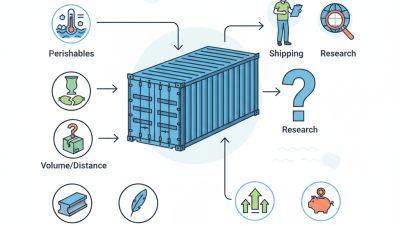

Choosing a large shipping container is more than selecting the biggest box available. Its dimensions, condition, weight limits, and intended use must work together. A 40-foot container may provide impressive volume, but it also requires enough access space for delivery and placement.
This guide explains how to compare container types with practical confidence. You will learn how to check external and internal measurements, door clearance, floor strength, ventilation, and weather resistance. A clean exterior can be misleading. Inspect the roof, corner posts, door seals, and floor carefully. Small rust patches may be harmless, while soft flooring or twisted doors can create expensive problems. Ask the supplier for clear photos, inspection details, and a written condition description. Reliable records matter.
Cargo needs come before convenience. Heavy machinery, boxed inventory, and household items place different demands on a large shipping container. Measure pallets and turning space, not only total volume. Leave room for safe loading. This is often overlooked. A container that fits the cargo may still fail during delivery or handling. Access roads, crane reach, ground stability, and local placement requirements deserve equal attention. Requirements can vary by location, so confirm them with qualified local professionals.
The best choice balances capacity, condition, transport practicality, and future use. Do not rush the purchase. Even experienced buyers can miss one detail. A careful comparison now can prevent damaged goods, delayed delivery, and avoidable replacement costs.
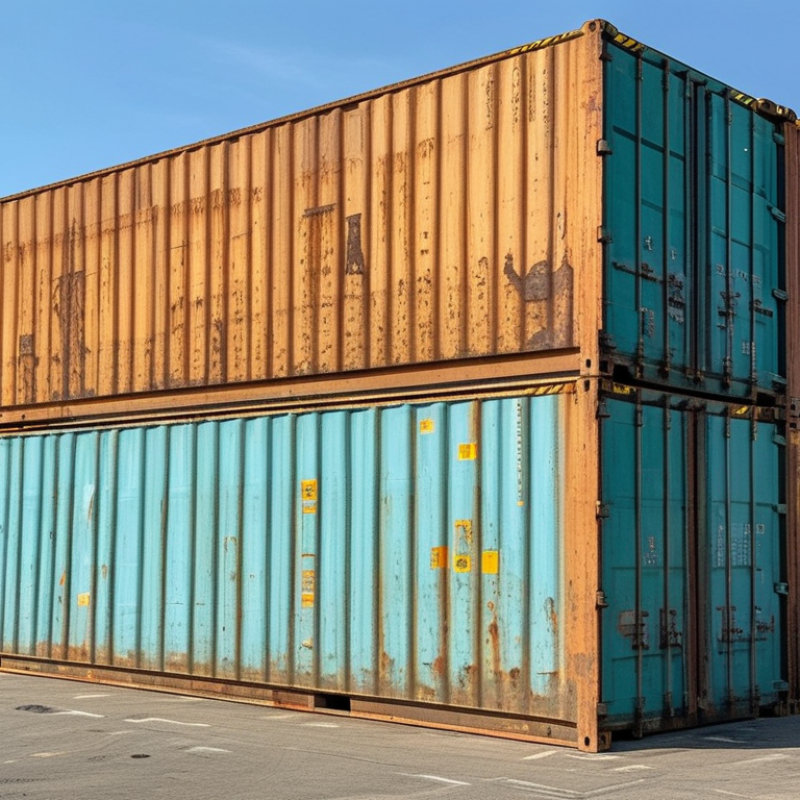
“Large” should describe your cargo, not only the container’s exterior. A standard large container may offer about 33 cubic meters of internal space. A high-cube model adds height, often around 30 centimeters. That extra space matters when loading tall machinery, stacked cartons, or insulated materials. Measure the longest, widest, and highest item first. Include pallets, wrapping, and door clearance.
Volume is only part of the decision. Check the container’s maximum payload and floor strength against your cargo weight. A full container can still be unsuitable if heavy items concentrate pressure in one small area. Door dimensions also matter. A wide crate may fit inside the container but fail at the entrance. That mistake is expensive.
I once treated empty floor space as the main measure of capacity. It was not enough. The cargo needed turning space during loading, and the planned equipment could not reach the rear. Leave working clearance whenever possible. A realistic loading plan should show each item’s position, weight, and securing method. Review the manufacturer’s technical sheet, then confirm route limits, lifting requirements, and handling access with qualified logistics personnel. A larger unit may increase usable volume, but it can also create higher transport, storage, and handling demands. Use measurements from the actual cargo, not estimates copied from an old shipment.
How to Choose a Large Shipping Container?
Match the container’s usable space to the cargo, not just its advertised length. ISO 668 defines standard external dimensions, but internal measurements vary slightly by construction and age. A typical 40-foot container offers about 67 cubic metres of internal volume. A 40-foot high-cube model provides roughly 76 cubic metres, with an extra 30 centimetres of height. That difference can prevent crushed cartons when cargo is stacked carefully.
Measure every load unit, including pallets, corner protection, and wrapping. Check the door opening, because it is smaller than the internal width and height. For example, a pallet may fit inside but fail at the doorway after protective packaging is added. Leave clearance for forklift entry and lashing points. The container’s safety plate remains decisive; payload limits often fall between 26 and 28 tonnes, depending on the unit and route.
UNCTAD’s Review of Maritime Transport 2024 reported about 12.3 billion tonnes of seaborne trade in 2023. Such volume makes loading accuracy a practical cost issue, not a minor detail. Measure the cargo first. Then compare cubic volume, floor length, door access, and weight distribution. I have seen teams choose a high-cube container for extra space, then discover that the cargo was too heavy for the available payload. More volume is not always better. Recheck the figures before booking.
Match the container’s internal dimensions and volume to the cargo size, packaging, loading method, and required headroom. The figures below are representative ISO container dimensions; actual dimensions may vary slightly by equipment specification.
Selection guide: A 20-foot container suits compact, heavy cargo when weight is the main limitation. A 40-foot container provides substantially more floor length, while a 40-foot High Cube adds approximately 300 mm of internal height for tall cartons, machinery, or palletized goods. A 45-foot High Cube offers the greatest volume but requires suitable terminal, road, and route clearances.
Choosing a large shipping container starts with cargo, not length. A 40-foot dry container suits boxed goods, pallets, and machinery with moderate height. A 45-foot high-cube unit adds internal volume through greater height. UNCTAD’s Review of Maritime Transport 2023 reported global container ship capacity above 26 million TEU, showing how standardized dimensions support worldwide handling. Still, bigger is not always better. Check warehouse doors, road limits, crane reach, and loaded weight.
Material affects durability and maintenance. Weathering steel resists corrosion through a protective surface layer, while marine plywood flooring tolerates repeated forklift traffic. Aluminum units are lighter, but they may offer less resistance to severe impact. Refrigerated containers require insulated panels, door seals, and powered cooling equipment. Open-top and flat-rack designs handle tall, wide, or heavy cargo, but they need careful lashing and weather protection.
Structure matters more than appearance. Inspect corner castings, locking bars, welds, roof bows, and floor cross-members. ISO 668 defines key container dimensions, while ISO 1496 covers strength and testing requirements. The International Convention for Safe Containers also requires safety approval and periodic examination. A practical inspection should include water testing and door alignment. I once underestimated floor damage because the walls looked clean. That was a costly mistake. Weight distribution deserves equal attention; concentrated loads can deform flooring even when total cargo weight remains acceptable. Check the data plate, verified gross mass, and inspection records before booking transport.
A large shipping container should be inspected before price becomes the deciding factor. Check the roof for standing water, patched holes, and visible corrosion. Open every door and test the locking bars. They should move smoothly without excessive force. Examine the floor for soft areas, stains, or chemical smells. A clean exterior can mislead. Inspect the door seals carefully, especially around the lower corners. Small gaps can admit rain, dust, and pests. In my experience, buyers often overlook the underside, where rust may spread unnoticed. Condition reports help, but photographs cannot replace a physical inspection.
Tips: Bring a flashlight, gloves, a tape measure, and a small magnet. Ask for recent inspection records. Do not accept vague answers about repairs. If security matters, choose reinforced locking points, strong doors, and a well-lit location. Consider an internal alarm only after confirming local requirements and reliable power access.
Transport and placement can create unexpected costs. Measure the container, truck route, gate width, and overhead cables before ordering. Confirm the delivery vehicle can reach the proposed site without sharp turns or weak ground. A level foundation prevents door movement and frame stress. Concrete blocks, steel supports, or prepared gravel may work, depending on soil and load. Leave clearance for doors, ventilation, drainage, and future maintenance. I once underestimated delivery access; the container arrived, but the planned position had to change. Planning is rarely perfect, so allow extra space and a backup placement option.
Buying a large shipping container starts with more than measuring available space. I inspect the unit in person, noting door alignment, floor condition, roof dents, and visible rust. A low quote can hide delivery fees, crane access charges, repairs, or local taxes. Ask for an itemized price, including transport, unloading, inspection, and any modifications. Get it in writing.
Regulations vary by location and intended use. Before ordering, I check zoning rules, placement setbacks, fire access, drainage requirements, and permit obligations with the local authority. A container used for storage may face different requirements from one converted into a workspace. Do not assume a seller’s advice replaces an official review. That assumption can be expensive.
Supplier credentials deserve the same attention as steel thickness. Request a registered business name, physical address, insurance evidence, recent inspection records, and clear warranty terms. Reliable suppliers explain grades, manufacturing dates, previous cargo use, and expected service life. I also compare recent customer references, but references are not proof of every claim. I once overlooked delivery access. The site plan needed revision. Now I confirm truck clearance and turning space before payment. A written contract should state condition, dimensions, delivery timing, cancellation terms, and responsibility for damage. Some details still remain uncertain. That is worth acknowledging.