Why is Shipping Container Insulation Important for Your Projects?
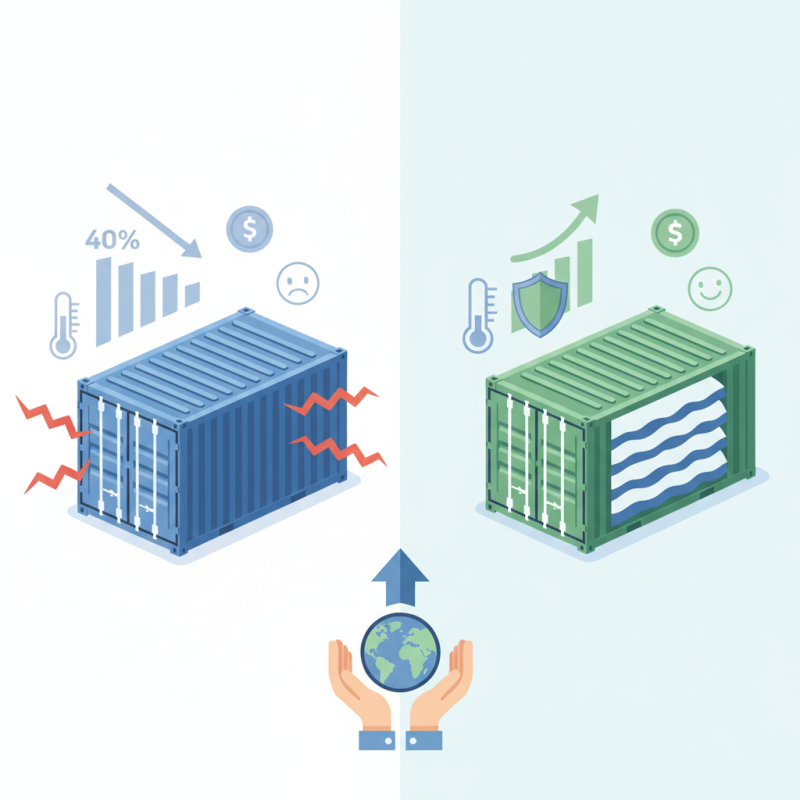
Shipping container insulation is crucial for various projects, ensuring energy efficiency and comfort. According to a report by the International Energy Agency, poorly insulated structures can lose up to 40% of their energy. This statistic highlights the importance of proper insulation in shipping containers, especially for temperature-sensitive items.
Industry expert Dr. Linda Carter, a leading researcher in thermal insulation, emphasizes this point, stating, "Effective shipping container insulation can minimize energy costs and enhance the longevity of products." As more businesses turn to shipping containers for storage and transport, understanding insulation's role becomes vital.
However, many still underestimate insulation needs. A lack of awareness can lead to increased operational costs and damage to sensitive goods. With insights from professionals and data, it’s clear that investing in shipping container insulation is both a practical and economically sound decision.
Understanding the Basics of Shipping Container Insulation
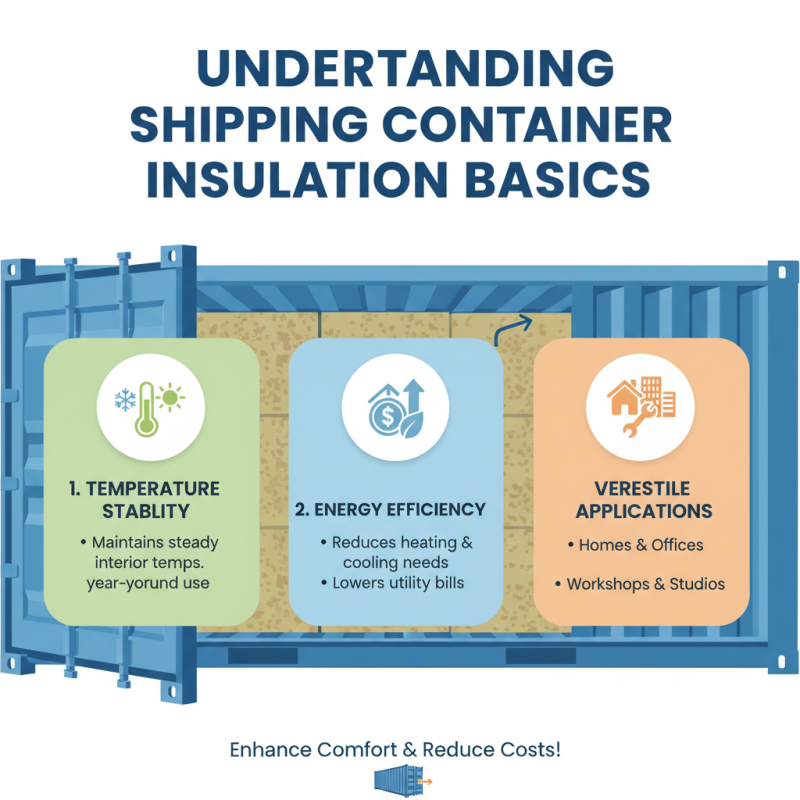
Shipping container insulation serves a crucial role in any project involving these versatile structures. Proper insulation enhances energy efficiency, making the interior more comfortable for various uses. Whether it's a small office, a home, or a workshop, insulated containers maintain stable temperatures throughout the year. This not only boosts comfort but also reduces energy costs significantly.
Understanding the basics of shipping container insulation involves knowing the different materials available. Insulation can be achieved using foam boards, spray foam, or even reflective barriers. Each type has its advantages and limitations. For example, spray foam provides a tight seal but might require professional application, which adds costs. On the other hand, foam boards may be easier for DIY installations but could leave gaps if not fitted properly.
It’s essential to think about the climate in which the container will be used. Locations with extreme temperatures may require thicker insulation layers. This consideration might lead to additional expenses or efforts in design. Knowing when to compromise on insulation thickness for budget or space can be challenging. Balancing comfort and cost becomes a critical factor in the planning phase.
The Benefits of Insulating Shipping Containers for Temperature Control
Insulating shipping containers plays a vital role in temperature control for various projects. These containers, often used for storage or living space, can experience extreme heat or cold. Without proper insulation, the interior can become unbearable, particularly in summer or winter. Insulation helps moderate temperatures, creating a more comfortable environment.
When considering insulation materials, there are several options. Foam insulation is lightweight and effective, while reflective barriers can reduce heat gain from sunlight. Each choice has its pros and cons. Sometimes, the insulation process may seem tedious. It can take time and effort to install correctly.
However, the benefits are clear. A well-insulated container saves energy, reducing heating and cooling costs. It enhances the durability of stored goods as well. Additionally, it can improve the quality of life for those using these containers for living spaces. Addressing insulation needs can indeed transform how we use shipping containers. It’s an essential consideration for modern projects.
Common Insulation Materials Used in Shipping Container Projects
When it comes to shipping container projects, the choice of insulation materials can significantly impact the project's effectiveness. Common insulation materials include spray foam, rigid foam boards, and fiberglass. Each material offers unique benefits and challenges. A study by the North American Insulation Manufacturers Association indicates that quality insulation can reduce energy costs by up to 30%. Proper insulation maintains consistent temperatures, which is crucial for residential and commercial uses.
Spray foam is a popular choice due to its high R-value per inch and its ability to seal gaps. However, it is often more expensive and requires professional installation. Rigid foam boards, in contrast, offer a more cost-effective solution and are easier for DIY projects. They can provide an R-value ranging from 3.6 to 6.5 per inch. Yet, they might not seal gaps as effectively as spray foam. Fiberglass insulation, while commonly used, may attract mold if not properly installed. The U.S. Department of Energy highlights that unsealed spaces can lead to energy loss, emphasizing the importance of proper installation.
Selecting insulation materials involves considering environmental factors and budget constraints. Consider what works best for your specific project. Balancing effectiveness and cost is key. Each material presents its own challenges and advantages. This decision can ultimately influence the project’s sustainability and energy efficiency.
Why is Shipping Container Insulation Important for Your Projects? - Common Insulation Materials Used in Shipping Container Projects
| Insulation Material |
R-Value per Inch |
Benefits |
Common Applications |
| Foam Board Insulation |
3.5 - 5.0 |
High thermal resistance, moisture resistant |
Wall and ceiling insulation |
| Spray Foam Insulation |
6.5 - 7.0 |
Excellent air sealing, high R-value |
All surfaces inside containers |
| Fiberglass Batts |
3.1 - 4.0 |
Cost-effective, easy to install |
Walls and floors |
| Reflective or Radiant Barrier |
Varies |
Reduces heat gain, lightweight |
Roof applications |
| Mineral Wool |
3.2 - 4.2 |
Fire resistant, soundproofing |
Soundproof interior spaces |
Factors to Consider When Choosing Insulation for Your Container
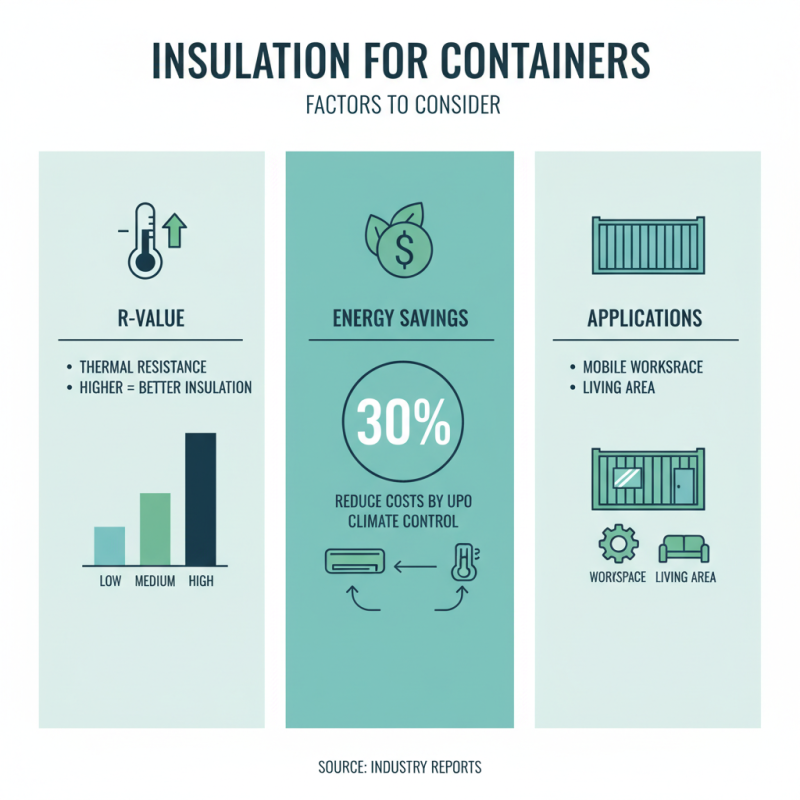
When choosing insulation for shipping containers, several factors matter. The R-value indicates thermal resistance. Higher R-values provide better insulation. A well-insulated container can reduce energy costs by up to 30%, according to industry reports. This is significant for climate control in a mobile workspace or living area.
Material choice is crucial too. Common insulation materials include foam, fiberglass, and reflective barriers. Foam insulation, for example, offers excellent thermal performance. However, it can be more expensive than alternatives. Fiberglass might not insulate as effectively but is often more cost-efficient. Reflective barriers are great for hot climates but less effective in cold conditions.
**Tip:** Evaluate your climate conditions before selecting insulation. It greatly influences your container's performance. Any decision should reflect your specific needs and project goals.
Another consideration is moisture control. Poor insulation can lead to condensation issues. Continuous moisture may compromise structural integrity. A vapor barrier is essential in preventing this problem.
**Tip:** Always check insulation installation guidelines. Improper installation can negate benefits. Ensure your project is aligned with best practices for lasting performance.
Impact of Insulation on Energy Efficiency and Cost Savings
In recent years, shipping container insulation has gained attention for its role in energy efficiency. Proper insulation can significantly impact a container's thermal performance. The U.S. Department of Energy reports that well-insulated structures can save up to 30% on heating and cooling costs. This finding highlights the importance of selecting suitable insulation materials for various projects.
Consider the energy consumption of a standard shipping container home. Without insulation, temperatures can vary drastically, leading to uncomfortable living conditions. A study conducted by the National Renewable Energy Laboratory shows that insulated containers can maintain a stable internal temperature, reducing the need for heating and cooling systems. This stability not only enhances comfort but also lowers energy bills.
However, there are challenges. Some insulation methods are criticized for being less environmentally friendly. Reflective barriers, for example, often lack the sustainability of natural materials. Additionally, the effectiveness of insulation can diminish if not properly installed. It is vital to consider the long-term impacts and make informed choices. Balancing energy efficiency, cost savings, and environmental considerations is essential for a successful container project.
Impact of Shipping Container Insulation on Energy Efficiency and Cost Savings