What is a Shipping Container Building and How Does It Work?
Shipping container buildings are transforming the architectural landscape. These innovative structures utilize repurposed shipping containers, offering an eco-friendly and cost-effective housing solution. Industry expert John Smith once said, “Shipping container buildings are more than just a trend; they are a sustainable answer to urban housing challenges.” His insight reflects the growing importance of this construction method.
As urban populations increase, traditional building methods struggle to keep up. Shipping container buildings provide a faster and often cheaper alternative for creating livable spaces. They are durable, weather-resistant, and available in various sizes. However, the process of converting these containers can be complex and requires careful planning. Not all designs meet local codes or aesthetic expectations.
Yet, challenges remain within the shipping container building industry. Some projects may encounter issues related to insulation and energy efficiency. There is also a stigma attached to the idea that a home made from a shipping container is not as “worthy” as a traditional house. Despite these imperfections, the potential of shipping container buildings continues to attract visionaries who want to revolutionize housing solutions for the future.
What is a Shipping Container Building?
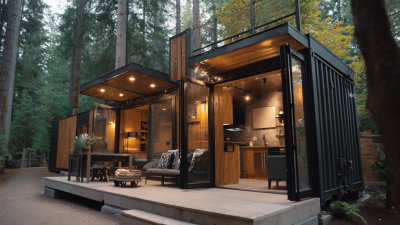
Shipping container buildings are innovative structures made from repurposed shipping containers. They are gaining popularity for their versatility and sustainability. These containers can serve various purposes, from homes to offices, and even retail spaces. Their robust design allows them to withstand harsh conditions, making them ideal for various climates.
When considering a shipping container building, keep in mind the importance of proper insulation. Containers can become hot in the summer and cold in the winter. Using effective insulation materials can make a significant difference in comfort. Additionally, think about the layout. Unlike traditional buildings, containers have limited space. A creative design can help maximize functionality.
Another tip is to ensure compliance with local building codes. These regulations can affect the design and safety of your project. Some communities may have restrictions on container modifications. It’s wise to research these rules early. Lastly, sourcing quality containers is crucial. Not all containers are in good condition. Inspect before you buy. This helps avoid structural issues down the line.
Benefits of Using Shipping Containers in Construction
Shipping container buildings are gaining popularity in construction due to their versatility and durability. These structures provide a unique way to create functional spaces, from homes to offices. One significant benefit of using shipping containers is their cost-effectiveness. They can often be obtained at a lower price compared to traditional building materials. This approach can significantly reduce overall construction budgets.
Additionally, shipping containers are eco-friendly. Reusing these containers prevents waste and reduces the need for new materials. This sustainable aspect appeals to many eco-conscious builders. The modular nature of containers allows for easy expansion or rearrangement, creating flexible layouts. However, adapting containers to specific needs can present challenges. Insulation and ventilation are vital for comfort, yet often overlooked in initial designs.
Another aspect to consider is zoning regulations. Sometimes, local laws complicate the process of constructing with shipping containers. Building codes can vary significantly, requiring careful research. Not all areas are suitable for container homes. It’s essential to evaluate the site and community needs thoroughly. While there are many advantages, the process demands thoughtful planning.
Benefits of Using Shipping Containers in Construction
Design and Structural Considerations for Container Buildings
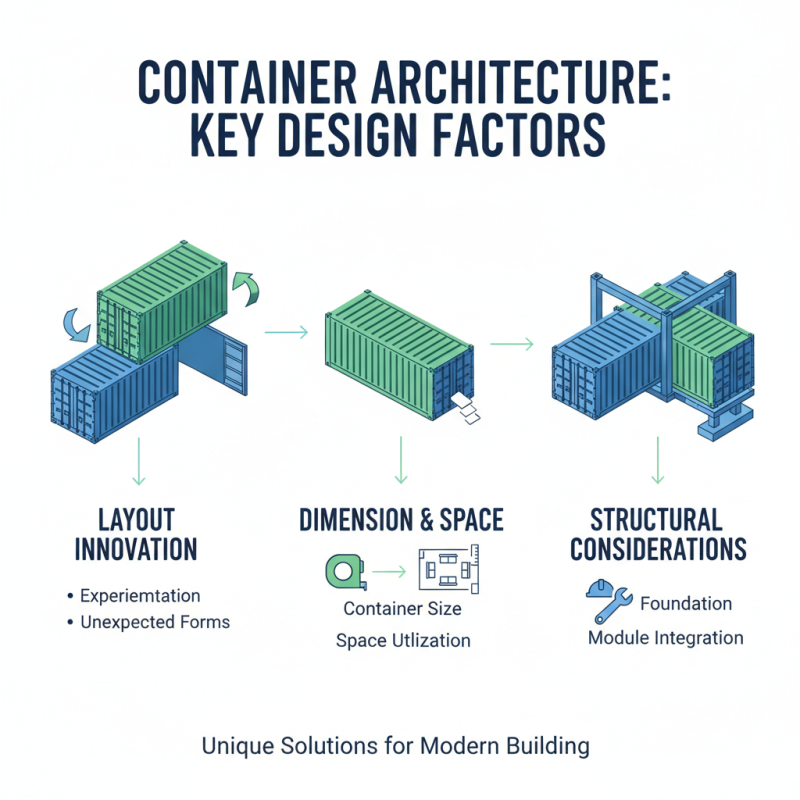
Container buildings offer unique architectural solutions. When designing these structures, several key factors must be considered. The layout is crucial. Architects frequently experiment with different arrangements. This can lead to unexpected results. Each shipping container has its own dimensions, which impacts space utilization significantly.
Structural integrity is another vital point. Containers are made of steel, providing durability. However, the weight can be a challenge. Proper foundation support is essential. Strengthening the walls may be necessary if windows or doors are added. Unexpected stress points can emerge. Designers must also account for insulation and ventilation needs.
Aesthetic choices bring further considerations. The raw, industrial look appeals to some. Others may find it unrefined. Mixing containers with traditional materials can soften the appearance. Color choices influence how the structure connects with its environment. Landscaping can enhance or detract from the overall design. Balancing functionality with visual appeal requires thoughtful planning.
How to Modularize Shipping Container Spaces
Shipping container buildings have gained popularity due to their affordability and versatility. Modularizing these spaces can enhance their functionality. According to a report from Statista, the global modular construction market value is expected to reach $157 billion by 2023. This trend showcases the increasing acceptance of modular designs in urban settings.
To modularize shipping container spaces effectively, consider flexible layouts that adapt to various needs. Containers can be stacked or arranged in various formations. This allows for open areas or private rooms, depending on the requirements. Research from McKinsey indicates that modular construction can cut project timelines by up to 50%. However, designing these spaces is not as straightforward as it seems. One must consider insulation, plumbing, and electrical work to ensure comfort and safety. Sometimes, designers overlook these crucial aspects, leading to less efficient living and working conditions.
Using shipping containers can reduce waste significantly, aligning with green building practices. A study by the World Green Building Council shows that modular buildings can lower carbon footprints by 30%. However, it's essential to address the potential for rust and corrosion in repurposed containers. This requires careful sourcing and maintenance planning. Making informed choices during the design phase is vital to harness the full potential of shipping container buildings.
Common Applications and Uses for Shipping Container Buildings
Shipping container buildings have gained popularity for various applications due to their unique structure. Many people use them as temporary offices. They offer a cost-effective solution for businesses that need extra space quickly. Some are transforming containers into cafes or small restaurants. This allows for interesting designs and functional spaces that attract customers.
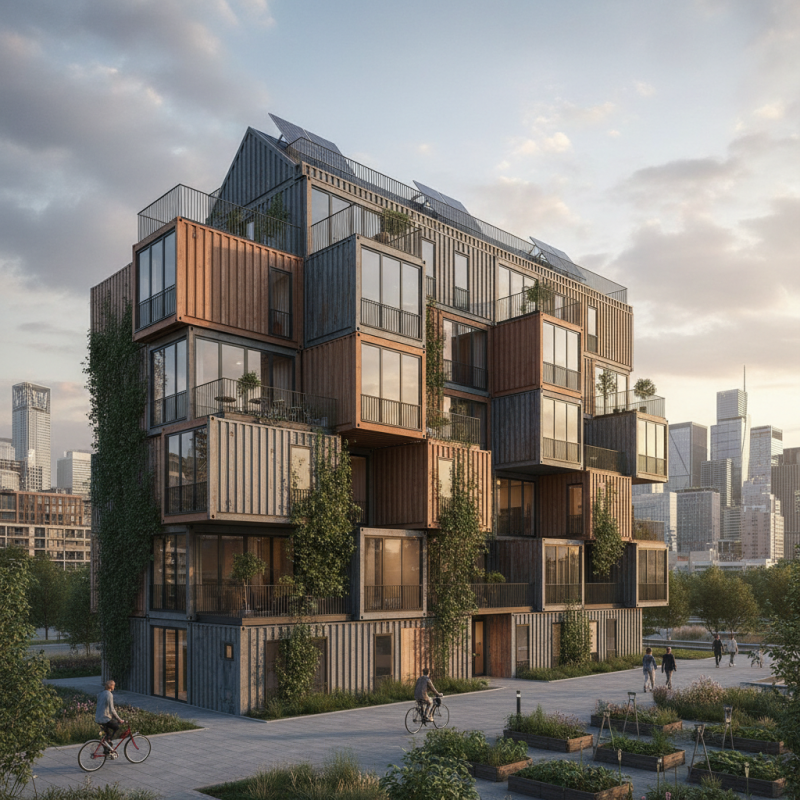
In addition to commercial uses, shipping containers are ideal for residential homes. People create modern housing solutions from these steel boxes. They can be stacked or arranged creatively to fit any plot. Some even build eco-friendly homes using solar panels. However, challenges exist. Proper insulation and ventilation are crucial. Without these, the living conditions can be uncomfortable.
Moreover, shipping containers are often used in art projects. Artists transform them into galleries or studios, pushing creative boundaries. Yet, there is still room for improvement in waste management and sustainability. As container buildings become more common, the industry must ensure these structures do not contribute to environmental issues.
What is a Shipping Container Building and How Does It Work? - Common Applications and Uses for Shipping Container Buildings
| Dimension |
Data |
| Standard Container Size |
20 ft, 40 ft |
| Typical Weight Capacity |
Up to 30,480 kg (67,200 lbs) |
| Common Uses |
Residential, Offices, Retail Spaces, Cafes |
| Insulation Options |
Spray Foam, Rigid Foam, Rock Wool |
| Environmental Benefits |
Recycling, Reduced Carbon Footprint, Energy Efficiency |
| Cost of Construction per Square Foot |
$100 - $200 |
| Lifespan |
25-30 years with proper maintenance |