Why Choose a Shipping Container Office for Your Business Needs?
In today's fast-evolving business landscape, flexibility and innovation are key. Many companies are turning to a shipping container office as an ideal solution for their workspace needs. This trend is not just about saving costs; it reflects a shift towards more sustainable and adaptable business practices. Renowned expert in modular construction, Dr. Lisa Nguyen, emphasizes, "A shipping container office can transform how businesses approach space and functionality."
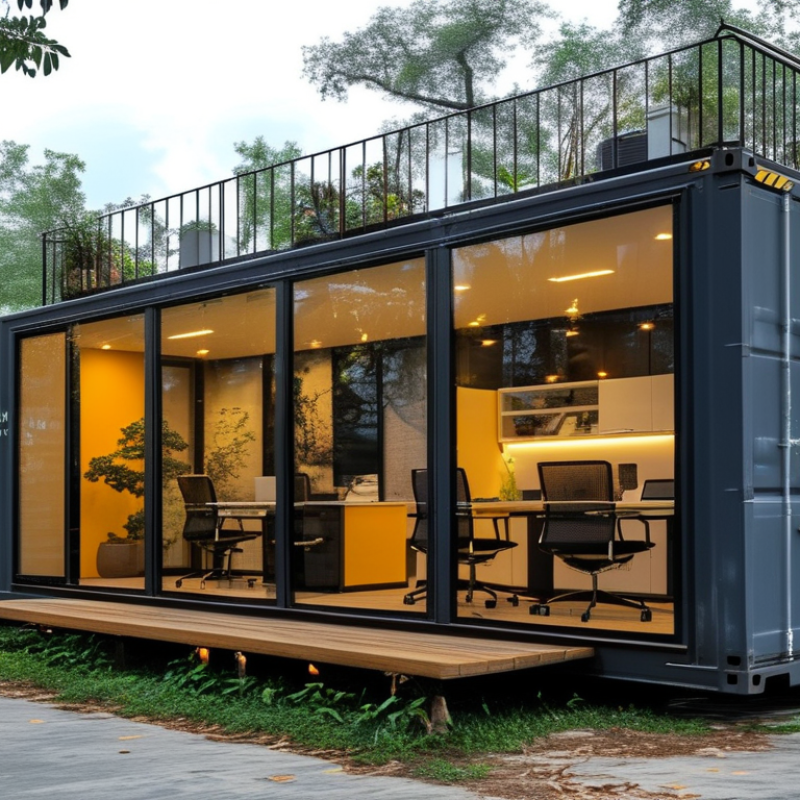
Shipping container offices offer unique benefits. They are portable, customizable, and durable. These structures can be easily outfitted with modern amenities. With the rise of remote work, many firms want spaces that adapt quickly to changing needs. A shipping container office provides that adaptability, whether for pop-up shops, project sites, or remote working environments.
However, this innovative approach poses challenges. Not all shipping container offices meet local building codes. Insufficient insulation can lead to discomfort in extreme weather. Business owners must weigh these factors carefully. The value of a shipping container office lies not just in its cost-effectiveness but also in its potential to enhance operational efficiency and creativity.
Benefits of Using Shipping Containers for Office Space Solutions
Shipping container offices are gaining popularity among businesses. These innovative spaces offer unique advantages that traditional offices may not provide. One notable benefit is their flexibility. Businesses can easily relocate or modify these containers based on their evolving needs. As your team grows, you can expand your space without incurring significant costs.
Durability is another key factor. Shipping containers are built to withstand harsh conditions. They offer strong insulation and protect against the elements. This reliability is crucial for maintaining a comfortable work environment. Moreover, the containers can be customized to reflect your brand’s identity, enhancing employee morale.
However, some challenges exist. Not every location is ideal for setting up a container office. Permitting and zoning laws can complicate installations. Additionally, acoustic concerns may arise due to the container's structure. Companies should evaluate these aspects carefully before proceeding.
Cost-Effectiveness: Analyzing Budget Savings Compared to Traditional Offices
Shipping container offices are gaining popularity for their cost-effectiveness. Traditional office spaces often come with high rents and hidden costs. A shipping container office can significantly reduce these expenses. You save on not just the monthly rent but also on utilities and maintenance.
These offices are customizable, enabling businesses to create functional workspaces without breaking the bank. For example, insulation and windows can make them comfortable year-round. Many owners have reported up to 50% savings compared to traditional offices. However, the initial setup might require extra effort and planning. Not every design fits every business model.
Some challenges include zoning regulations and securing permits. These hurdles could lead to delays or additional costs. It is essential to research local regulations before choosing this option. Careful planning can help prevent potential issues and ensure a smooth transition to your new workspace.
Sustainability: The Environmental Impact of Reusing Shipping Containers
Shipping container offices are gaining popularity due to their sustainability benefits. Reusing shipping containers reduces waste significantly. Each year, millions of containers sit unused. Transforming them into office spaces not only gives them a new life but also prevents them from ending up in landfills.
The environmental impact of this practice is profound. Reusing containers conserves materials and reduces the need for new resources. For instance, traditional construction often involves cutting down trees for timber, while container conversion reuses available materials. It also minimizes energy consumption compared to new building projects. However, one must consider the emissions involved in transporting these containers to your site. This factor can sometimes offset the benefits of reuse.
Moreover, it's essential to acknowledge that while container offices are eco-friendly, they are not a perfect solution. Not all containers are suitable for conversion. Their condition and previous usage can affect the space's safety and livability. Potential buyers should carefully inspect containers before making decisions. Balancing these issues is crucial for creating truly sustainable business solutions.
Flexibility and Customization Options for Shipping Container Offices
Shipping container offices are rapidly gaining popularity among businesses seeking adaptable workspaces. One of the standout features of these containers is their flexibility. You can customize the layout to suit your specific needs. Need more space for teamwork? Adjust the interior layout. Want a cozy meeting area? Design it into the space.
Customization extends beyond layout. Choose from various options for windows and doors. You can also select floor finishes and paint colors. This allows you to reflect your brand identity within the container. Using durable materials ensures longevity while maintaining a sleek look. However, it’s essential to plan carefully. Poor design choices can lead to wasted space or functionality issues.
Considering other logistics is also crucial. While containers are movable, site access may pose a challenge. Ensure transport and installation plans are solid. Being adaptable is key, but so is careful planning. Embrace creativity but remain pragmatic to create a space that meets your business goals.
Why Choose a Shipping Container Office for Your Business Needs?
| Feature |
Description |
Benefit |
| Flexibility |
Easily reconfigure layout as needs change. |
Adapts to growth or changes in business model. |
| Customization |
Options for insulation, windows, and layout. |
Creates a workspace that reflects your brand and culture. |
| Cost-Effective |
Lower construction costs compared to traditional offices. |
Reduces initial investment and operational expenses. |
| Sustainability |
Repurposes shipping containers, minimizing waste. |
Supports eco-friendly business practices. |
| Mobility |
Easily relocatable to different sites. |
Ideal for temporary projects or site changes. |
Industry Trends: Growing Popularity and Market Statistics of Container Offices
The container office trend is gaining momentum across various industries. More businesses are recognizing their potential and unique benefits. According to recent studies, the market for shipping container offices has expanded by 30% over the past two years. This growth reflects a shift in how companies think about workspace. Many appreciate the cost-efficiency and flexibility that container offices offer.
These modular offices can be easily customized to fit specific needs. Companies can adapt them for different purposes, from creative studios to on-site project management hubs. However, some challenges still exist. Not every area is suitable for container offices. Local zoning laws can impose restrictions that require careful navigation.
Another aspect to consider is sustainability. Many builders are focusing on eco-friendly materials, but not all container offices meet high environmental standards. Businesses must weigh the benefits against potential drawbacks. Ensuring high-quality construction is essential for long-term functionality. As interest continues to surge, staying informed about these evolving trends is crucial for any business looking to innovate.
Growing Popularity of Shipping Container Offices
The chart above illustrates the increasing trend in the number of shipping container offices over the past five years. As businesses seek flexible and cost-effective solutions, the popularity of container offices continues to rise significantly.