What is a Shipping Container Restaurant and How to Start One?
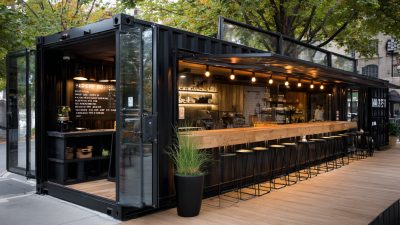
In recent years, the concept of a shipping container restaurant has gained traction in the culinary world. These unique establishments combine creativity with sustainability, offering a fresh dining experience. Experts like Maria Chen, a renowned consultant in the shipping container industry, emphasize the potential of such ventures. She states, “Shipping container restaurants can be both stylish and functional, redefining urban dining spaces.”
Starting a shipping container restaurant involves careful planning and design. The containers provide a durable, eco-friendly structure that can be transformed into a vibrant eatery. Entrepreneurs are drawn to the lower costs of construction and the flexibility in location. However, challenges such as local zoning laws and operational logistics can complicate matters.
Many owners find that while the setup is appealing, the reality of running a restaurant is complex. Issues such as storage space and kitchen layout require thoughtful solutions. Reflecting on their experiences, some have recognized the importance of community engagement and marketing. A successful shipping container restaurant not only serves food but also fosters a sense of belonging among its patrons.
What Defines a Shipping Container Restaurant?
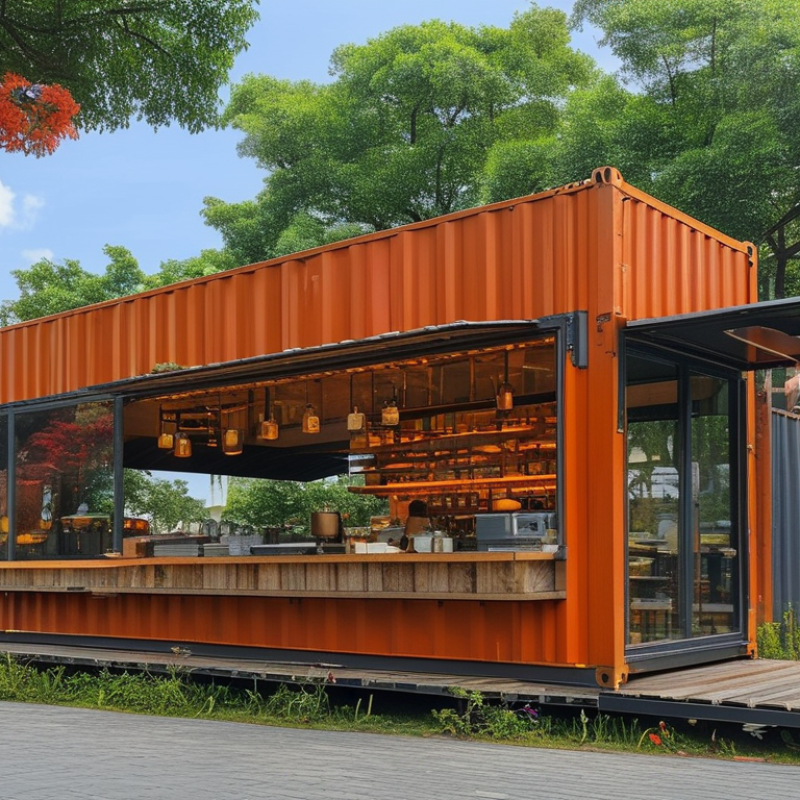
Shipping container restaurants have gained popularity for their unique and innovative approach. These establishments transform ordinary shipping containers into functional dining spaces. They create a distinct ambiance while being cost-effective compared to traditional brick-and-mortar restaurants. The flexibility in design allows owners to customize the interior and exterior, adapting to various themes and concepts.
What truly defines a shipping container restaurant is its essence of sustainability. Many owners utilize recycled materials, minimizing waste. The compact structure provides an intimate setting, fostering a personal dining experience. However, the limited space can pose challenges. Menu offerings may be restricted, requiring creativity and thoughtful planning. It's essential to strike a balance between a diverse menu and kitchen capacity.
Venturing into the shipping container restaurant business demands thorough research and planning. Regulations vary, and owners must navigate local zoning laws. It’s also crucial to engage with your community, building a loyal customer base. Feedback can guide improvements but may be blunt and hard to digest. Embracing imperfections and learning from them can drive growth and innovation in this dynamic industry.
What is a Shipping Container Restaurant and How to Start One? - What Defines a Shipping Container Restaurant?
| Aspect |
Details |
| Definition |
A restaurant built using repurposed shipping containers as the main structure for food service. |
| Design Flexibility |
Can be configured in various layouts, multi-level structures, and outdoor seating. |
| Cost-Efficiency |
Generally lower construction costs compared to traditional buildings. |
| Mobility |
Can be relocated to different sites as needed, enhancing business opportunities. |
| Sustainability |
Promotes recycling and the use of durable materials, low environmental impact. |
| Menu Versatility |
Ability to offer a wide variety of cuisines and dining experiences. |
| Startup Process |
Involves location scouting, obtaining permits, designing the layout, and setting up operations. |
Benefits of Operating a Shipping Container Restaurant
Shipping container restaurants are gaining popularity for various reasons. One of the main benefits is their cost-effectiveness. Using shipping containers as a base significantly reduces the initial investment. They often require less construction than traditional restaurants. This allows aspiring restaurateurs to allocate funds to other areas like marketing or sourcing quality ingredients.
Flexibility is another advantage. Shipping containers can be placed in diverse locations—busy streets, parks, or festivals. This mobility opens up unique opportunities. A restaurant can adapt quickly to customer demand. However, finding optimal locations can be challenging and may require testing different spots.
There's the environmental aspect too. Operating a restaurant in a repurposed container minimizes waste. This appeals to eco-conscious consumers. Yet, while the concept is environmentally friendly, owners must consider logistics. Proper insulation and ventilation are critical for comfort. Skimping in these areas could lead to a less enjoyable dining experience. Balancing these factors is key to long-term success.
Benefits of Operating a Shipping Container Restaurant
Steps to Planning Your Shipping Container Restaurant Concept
When planning a shipping container restaurant, clarity in your concept is essential. Start by defining your target market. Research shows that 69% of millennials prefer fast-casual dining experiences. Design your menu to cater to their tastes. It should reflect trends in health and sustainability. Consider also the local demographic preferences.
Next, location is crucial. Choose a spot that attracts foot traffic. A survey from the National Restaurant Association indicates that 83% of diners prefer accessible locations. Assess nearby competition and their offerings. This can help refine your unique selling points. Keep in mind that permits and zoning laws vary.
Finally, budget planning cannot be overlooked. Shipping containers can cost between $1,500 to $5,000, excluding transport costs. Factor in renovations, utilities, and furnishings. An analysis by IBISWorld shows a potential 5% growth in the restaurant industry. This suggests that with careful planning, profit is feasible. However, consider potential pitfalls. Each step requires in-depth research and a willingness to adapt.
Essential Requirements for Permits and Regulations
When considering starting a shipping container restaurant, understanding the essential requirements for permits and regulations is crucial. Each locality has unique regulations. Researching zoning laws is vital. Contact local zoning offices to determine where your container can be placed. This ensures compliance with local ordinances.
Health and safety permits are pivotal. You must adhere to food safety guidelines. This often includes sanitary preparations and storage standards. Inspectors from health departments evaluate your setup. Experience shows that understanding these details can prevent delays during your opening.
Finally, environmental regulations might come into play. Some regions require sustainable practices for waste disposal and energy consumption. Reflection on how your business impacts the environment can enhance community support. Starting a shipping container restaurant involves navigating complexities, but thorough preparation can result in a successful venture.
Design and Layout Considerations for Your Container Restaurant
Creating a successful shipping container restaurant involves thoughtful design and layout. The compact space requires innovative thinking. Start by maximizing functionality while maintaining an inviting atmosphere.
Tips: Consider open layouts. They enhance customer interaction and allow for better flow. Use multifunctional furniture to save space. Folding tables or benches can adapt to different group sizes.
Natural light is vital. Large windows or skylights can brighten the interior. They provide a pleasant dining experience. However, they also bring challenges of temperature control and privacy. Balancing these factors is essential for customer comfort.
Another key aspect is the kitchen design. Ensure it is efficient yet comfortable for staff. Explore modular kitchen setups to optimize space usage. Remember, a cramped kitchen can impact service speed and quality.
Tips: Plan for the type of cuisine you will serve. This can influence equipment choices. Reflect on precious experiences in kitchens that felt too crowded. Avoid making similar mistakes in your design.