How to Use Shipping Containers for Storage Solutions Easily and Effectively
In recent years, shipping containers for storage have gained popularity as a versatile and cost-effective solution for various storage needs. Experts in the industry, such as John Thompson, a recognized authority in storage solutions, emphasize the unique benefits of using shipping containers: "Shipping containers provide not just physical space, but also an innovative way to make the most out of limited areas." This innovative approach allows individuals and businesses alike to maximize their available space while ensuring that their belongings remain secure and protected.
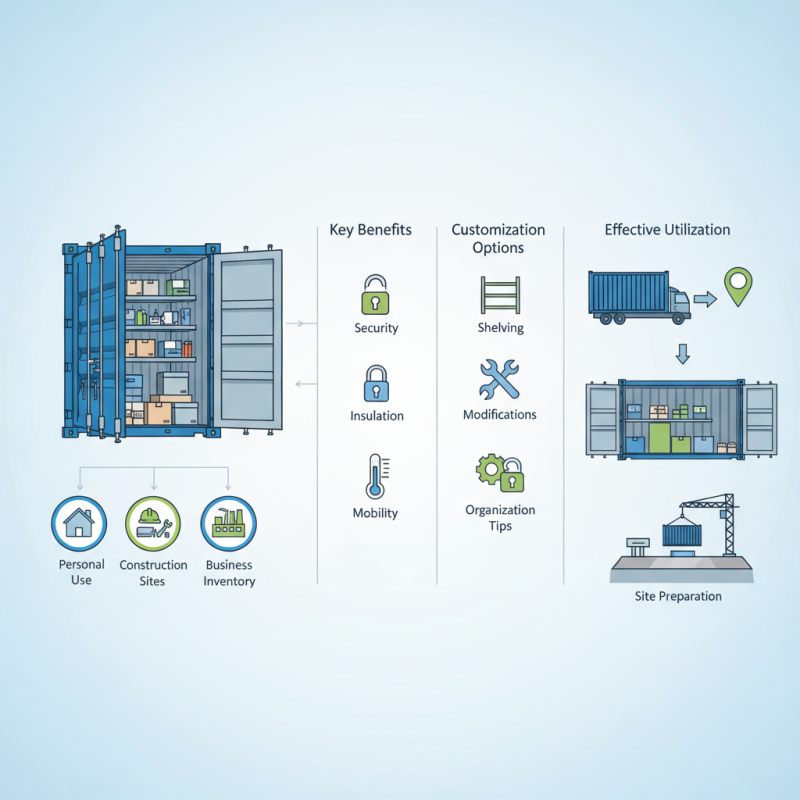
The flexibility of shipping containers for storage is one of their most appealing features. They can be customized to suit a wide range of requirements, whether for personal use, construction sites, or business inventory management. With options for insulation, shelving, and secure locking mechanisms, shipping containers offer a practical alternative to traditional storage facilities. Additionally, their mobility means that they can be moved to different locations as needs change, making them an ideal choice for both temporary and long-term storage solutions.
In this guide, we will explore the various ways to effectively utilize shipping containers for storage, highlighting best practices that ensure these containers meet your specific needs. From organization tips to site preparation, we aim to provide you with the insights required to make the most of this innovative storage solution.
Understanding the Benefits of Shipping Containers for Storage Solutions
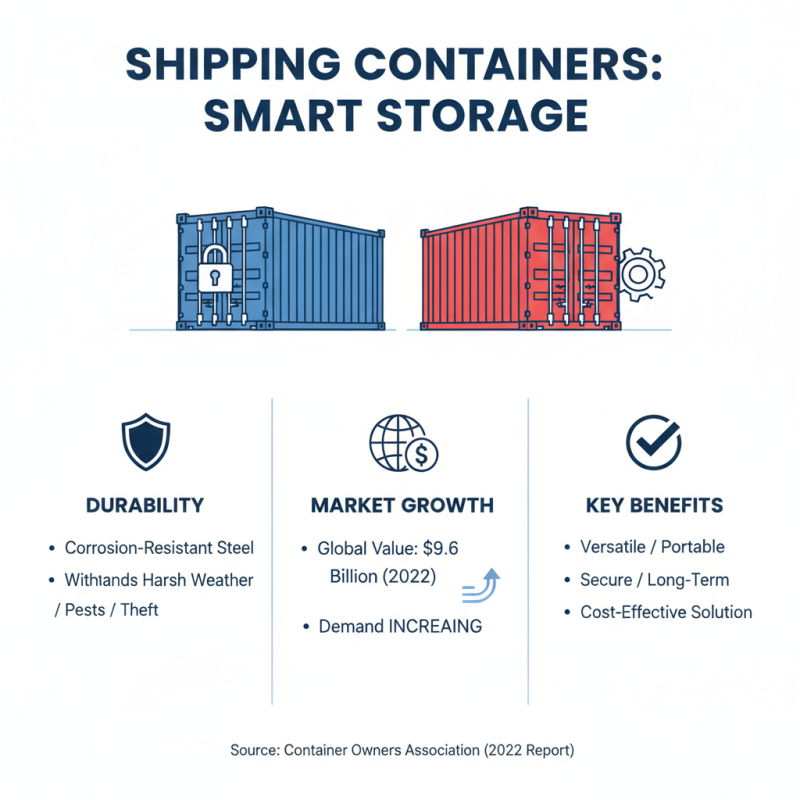
Shipping containers have gained popularity as a versatile storage solution, providing numerous benefits for both individuals and businesses. According to a report by the Container Owners Association, the global shipping container market was valued at approximately $9.6 billion in 2022 and is projected to grow as the demand for efficient storage solutions increases. One of the primary advantages of using shipping containers is their durability. Made from corrosion-resistant steel, these containers can withstand harsh weather conditions, protecting your belongings from moisture, pests, and theft. Their sturdy construction makes them an ideal choice for long-term storage, ensuring that items remain in excellent condition.
Another significant benefit of shipping containers is their cost-effectiveness. A study by the International Journal of Shipping and Transport Logistics highlights that using shipping containers for storage can reduce overall storage costs by up to 50% compared to traditional warehousing solutions. This is largely due to the lower maintenance and operational costs associated with shipping containers. Additionally, they offer flexibility in size and configuration. Available in various dimensions, shipping containers can be easily modified or combined to meet specific storage needs, facilitating the management of inventory and space for businesses. Overall, the practical advantages of shipping containers make them an increasingly preferred choice for effective storage solutions.
Key Considerations When Selecting Shipping Containers for Storage
When selecting shipping containers for storage, it's essential to consider several key factors to ensure you choose the right solution for your needs. First, assess the size and capacity requirements based on what you intend to store. Shipping containers come in various dimensions, typically 20ft and 40ft in length. Understanding your storage volume can help you avoid overpaying for unnecessary space while ensuring everything fits comfortably.
**Tips:** Measure your items or boxes beforehand, and consider any future storage needs that may arise. Opt for a container that offers a bit of extra space to accommodate potential growth in your storage requirements.
Another crucial consideration is the condition of the container. Containers can be new, used, or refurbished, each offering different price ranges and qualities. Inspect the container for any signs of rust, damage, or leaks, which could compromise your belongings over time. A well-maintained container will provide a safer and more secure environment for your items.
**Tips:** If possible, view the container in person before making a purchase. Additionally, check for warranties or return policies that can protect your investment in case of unforeseen issues.
How to Use Shipping Containers for Storage Solutions Easily and Effectively - Key Considerations When Selecting Shipping Containers for Storage
| Dimension |
Size (ft) |
Capacity (cu ft) |
Weight (lbs) |
Common Uses |
| 20 ft Standard |
20 |
1,172 |
4,000 |
General Storage, Construction Tools |
| 40 ft Standard |
40 |
2,390 |
8,000 |
Residential Storage, Small Business Inventory |
| 40 ft High Cube |
40 |
2,694 |
8,800 |
Furniture Storage, Larger Inventory Needs |
| 10 ft Standard |
10 |
674 |
3,000 |
Garden Tools, Seasonal Items |
| Storage Container with Vents |
20 - 40 |
Varies |
Varies |
Sensitive Equipment, Perishables |
Innovative Storage Ideas Utilizing Shipping Containers Effectively
Shipping containers have emerged as a versatile and innovative solution for storage needs across various sectors. The flexibility and durability of these containers make them an attractive option for both businesses and individuals. According to a report by Deloitte, the global demand for storage solutions has increased by over 20% in the past five years, driven by an expansion in e-commerce and a growing need for efficient inventory management. Utilizing shipping containers for storage not only maximizes space but also offers a cost-effective alternative to traditional warehouses.
One innovative approach to utilizing shipping containers effectively involves converting them into multi-functional storage units. For example, businesses can modify containers into climate-controlled spaces, ensuring that sensitive items are adequately protected. Additionally, creative storage layouts that utilize vertical space can significantly enhance storage capacity. A study by the Storage Association indicates that companies implementing modular and scalable storage solutions, such as those offered by shipping containers, have reported an increase in operational efficiency by nearly 30%. This adaptability allows users to tailor their storage solutions to meet specific needs while minimizing waste and maximizing investment.
Cost-Effectiveness of Shipping Containers Compared to Traditional Storage
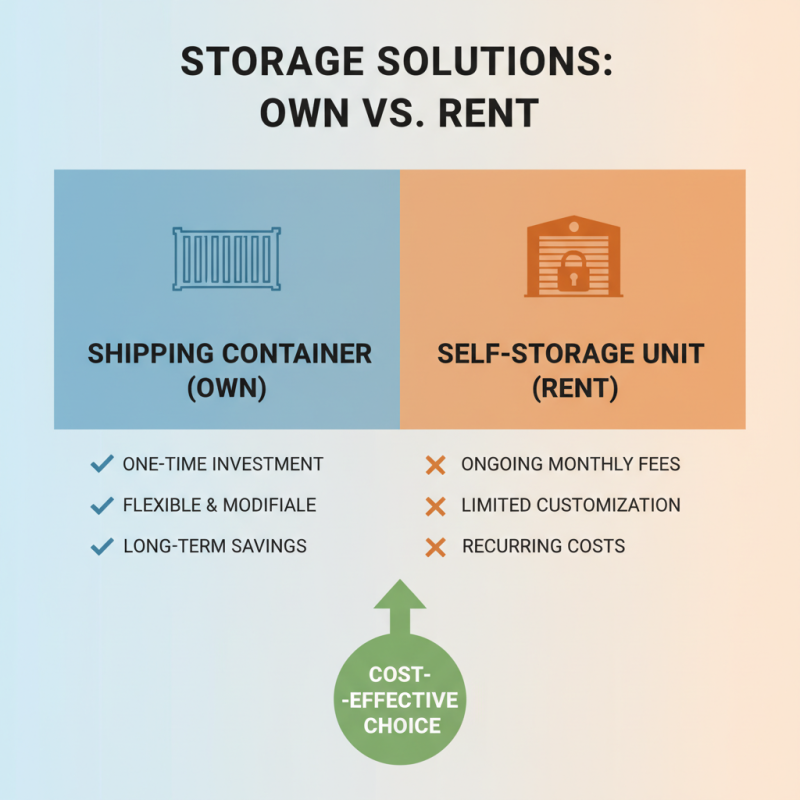
When considering storage solutions, the cost-effectiveness of shipping containers can be a decisive factor. Unlike traditional self-storage units, which often incur ongoing monthly fees, purchasing a shipping container can provide a one-time investment that offers both flexibility and long-term savings. Shipping containers can be modified for various uses, from personal storage to commercial applications, making them a versatile option for many needs.
Tips: Before opting for a shipping container, assess your storage requirements, including the size and type of items you plan to store. Consider investing in insulation or ventilation for climate-sensitive materials, ensuring they remain in good condition regardless of external weather conditions.
Additionally, shipping containers can easily be transported and relocated when necessary. This mobility allows users to adapt their storage solutions as needs change, providing a level of convenience that traditional storage options typically cannot offer. Having easy access to your items, without the constraint of a fixed location, enhances the practical value of using shipping containers for storage solutions.
Tips: Always check the condition of a used shipping container before purchase, ensuring it is structurally sound and free from rust or damage. This inspection can save you money on repairs and maintenance in the long run.
Best Practices for Maintaining and Organizing Stored Items in Containers
When utilizing shipping containers for storage, maintaining organization is crucial for maximizing space and accessibility. Begin by categorizing your items based on their type or frequency of use. Create dedicated zones for different categories, such as seasonal items, tools, and supplies. This intentional organization not only makes it easier to locate specific items but also helps in efficiently utilizing the space within the container. Using sturdy, labeled bins and shelving can further enhance the organization, allowing for a cleaner and more manageable setup.
In addition to organization, regular maintenance is essential to protect your stored items from damage. Ensure proper ventilation within the container to prevent moisture buildup, which can lead to mold and mildew. Consider using desiccants or moisture absorbers if the climate is particularly humid. It's also wise to conduct periodic inspections of the container for any signs of wear or structural issues, addressing problems immediately to maintain a safe and secure environment for your belongings. By following these best practices, you can create an effective storage solution that’s both easily accessible and well-protected.
Storage Solutions Using Shipping Containers
This chart illustrates the number of various types of items stored in shipping containers, highlighting effective storage solutions. Proper organization can maximize storage capacity and ease of access.