How to Source Shipping Containers for Global Procurement?
In the dynamic landscape of international trade, the shipping container world plays a pivotal role. The global shipping container market was valued at approximately $8.8 billion in 2021 and is projected to grow significantly. With increasing e-commerce, demand for containers has surged. However, sourcing these containers presents unique challenges.
Procurement professionals must navigate a complex network of suppliers and logistics providers. Market volatility can affect container pricing and availability. In 2022, container prices soared due to pandemic-induced supply chain disruptions. Understanding market trends is crucial for successful sourcing.
Moreover, many companies lack reliable data to inform their purchasing decisions. This gap can lead to inefficiencies and increased costs. Establishing partnerships with trusted suppliers can mitigate these risks. Fostering relationships in the shipping container world can enhance procurement strategies. Companies need to adapt and rethink their approach to secure timely and cost-effective shipping solutions.
Understanding the Importance of Shipping Containers in Global Procurement
Shipping containers play a crucial role in global procurement. They facilitate the movement of goods across vast distances. By standardizing shipping methods, they significantly lower transportation costs. This efficiency is vital for businesses looking to streamline their supply chains. Without containers, managing logistics would be chaotic and costly.
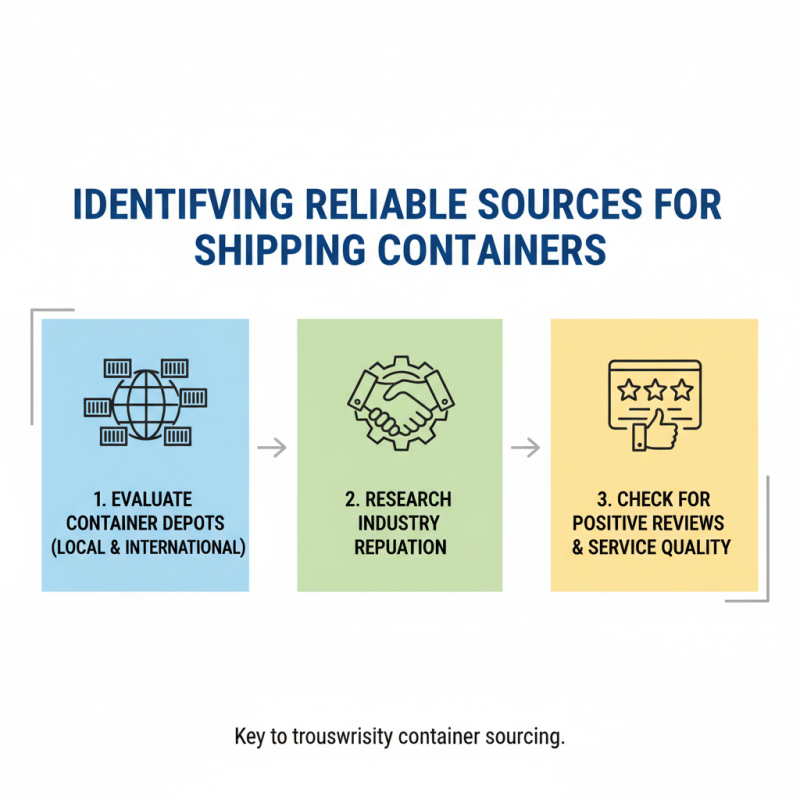
Understanding the importance of shipping containers requires looking beyond just movement. These containers protect cargo from damage during transit. They are designed to withstand harsh conditions at sea. The reliability of containers ensures that products arrive in perfect condition. However, sourcing the right containers can be challenging. Not every supplier guarantees quality or reliability. Some containers may have hidden defects. Businesses need to conduct thorough inspections and due diligence before making purchases.
Allocating resources to find the best shipping container options is essential. It’s a complex process that needs careful planning and execution. Organizations often overlook the importance of this step, which can lead to costly delays. Investing time in research and supplier evaluation is crucial. This focus on quality assures a smoother procurement process. Strong partnerships with trusted suppliers can greatly enhance shipping reliability.
Evaluating Shipping Container Quality and Specifications
When sourcing shipping containers for global procurement, evaluating their quality and specifications is crucial. The world market for shipping containers reached $9.6 billion in 2022 and is projected to grow by 5.3% annually. Therefore, understanding how to select the right containers is essential for both cost-efficiency and durability.
Inspect container condition thoroughly. Look for signs of rust, structural damage, and any alterations. A comprehensive assessment can prevent unexpected costs later. According to industry reports, 80% of shipping containers may have undergone some repairs. Prioritize containers with certification seals, as these indicate compliance with industry standards.
Tip: Request detailed specifications before purchasing. Key details include container dimensions, weight capacity, and material type. Ensure that the container meets your cargo needs. Many buyers overlook the importance of container age. Older containers may not withstand long-term usage, leading to losses.
Additionally, consider environmental factors. Containers exposed to saltwater often degrade faster. This insight can guide procurement decisions. It's vital to weigh the benefits of lower prices against potential risks of lower quality. Making informed choices helps increase reliability and satisfaction in your shipping operations.
Negotiating Purchase Terms and Delivery Options
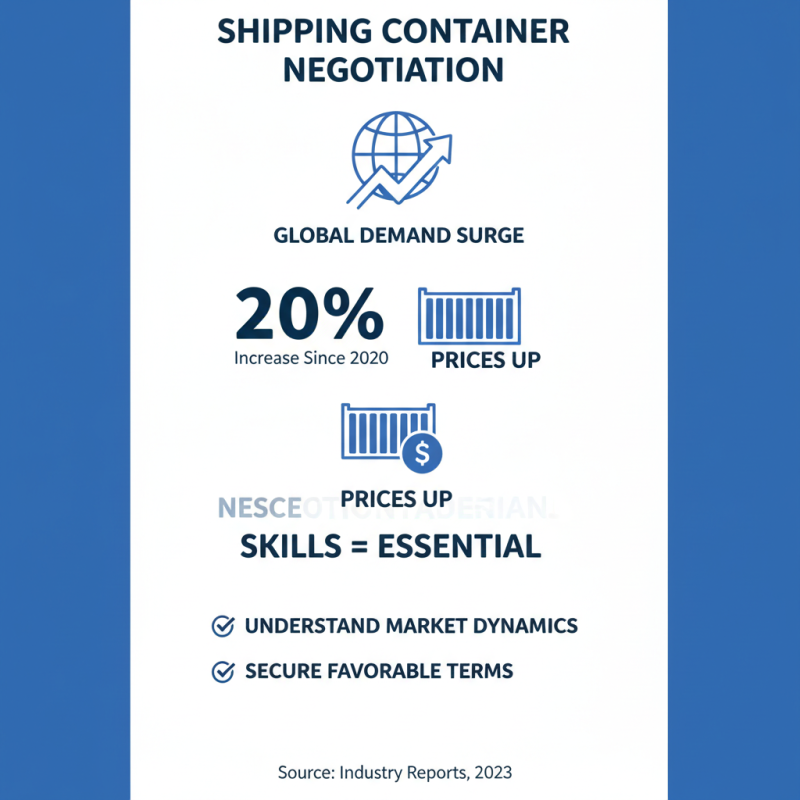
Negotiating purchase terms and delivery options for shipping containers requires a thorough understanding of market dynamics. According to recent industry reports, global demand for shipping containers has surged by over 20% since 2020. This demand spike leads to increased prices, making negotiation skills essential.
When entering negotiations, it's vital to assess potential suppliers’ market positions. Reliable suppliers may offer flexibility in terms of payment schedules or volume discounts. Understanding shipping timelines is equally crucial. The average delivery time for containers has fluctuated between 14 to 30 days this year due to global supply chain disruptions. This fluctuation can significantly affect project timelines.
It is important to evaluate all aspects of the terms offered. Look for transparency in costs, including potential hidden fees that could arise during transport. Some suppliers may not clearly outline these details. Be wary of unrealistic promises or excessively low costs that may signal deeper issues. An informed negotiation strategy, utilizing data and meeting industry benchmarks, increases the likelihood of securing favorable terms.
Ensuring Compliance with International Shipping Regulations
When sourcing shipping containers, compliance with international shipping regulations is crucial. Organizations must adhere to the International Maritime Organization’s (IMO) guidelines to ensure safety and security in logistics. According to the World Shipping Council, non-compliance can lead to significant fines and delays. In 2022, an estimated $2 billion was lost due to shipping delays attributed to regulatory issues.
It is essential to understand the various certifications required for shipping containers. For example, the International Organization for Standardization (ISO) sets standards for container specifications, including safety and handling. Containers must undergo inspections and obtain the necessary compliance certificates to meet these standards. Inadequate adherence may result in container rejections at ports, fostering additional shipping costs and extending delivery timelines.
Another pressing issue is the understanding of customs regulations in different countries. Each nation has unique requirements for documentation, labeling, and tariffs. Failure to properly navigate these regulations can result in severe penalties. Research by the Global Trade Analysis Project highlights that a lack of regulatory knowledge costs businesses roughly $1 trillion annually. This emphasizes the importance of diligent compliance checks before engaging in global procurement.
How to Source Shipping Containers for Global Procurement? - Ensuring Compliance with International Shipping Regulations
| Container Type |
Dimensions (Length x Width x Height) |
Max Payload (kg) |
Compliance Certifications |
Estimated Cost (USD) |
| Dry Container |
20 ft x 8 ft x 8.5 ft |
30,480 |
ISO 668, CSC |
2,500 |
| Reefer Container |
40 ft x 8 ft x 9.5 ft |
26,000 |
ISO 6346, CSC |
6,500 |
| Open Top Container |
20 ft x 8 ft x 8.5 ft |
28,600 |
ISO 668, CSC |
3,000 |
| Flat Rack Container |
40 ft x 8 ft x 8.5 ft |
40,000 |
ISO 668, CSC |
4,200 |
| Tank Container |
20 ft x 8 ft x 8.5 ft |
26,000 |
ISO 1496, CSC |
5,000 |