How to Start a Shipping Container Cafe: A Step-by-Step Guide
The trend of establishing a shipping container cafe has gained significant momentum in the past few years, marking a paradigm shift in the food and beverage industry. According to a 2023 market report by IBISWorld, the mobile cafes sector is projected to grow by 6.2% annually, driven by the increasing demand for flexible, affordable, and sustainable food service options. Shipping container cafes not only offer a unique aesthetic appeal but also provide an eco-friendly alternative to traditional brick-and-mortar establishments, aligning with the growing consumer preference for sustainable practices.
Renowned shipping container architect and expert, Sarah Johnson, emphasizes the transformative potential of this model stating, "Shipping container cafes redefine the way we think about space and sustainability in the food industry." Her insights highlight the innovation behind utilizing repurposed materials, which attracts eco-conscious consumers and savvy entrepreneurs alike. As the market continues to expand, aspiring cafe owners must navigate the intricacies of design, permits, and location to successfully establish a thriving shipping container cafe that stands out in a competitive landscape.
How to Choose the Right Shipping Container for Your Cafe
Choosing the right shipping container for your café is paramount to your success. According to a report by IBISWorld, the café industry has seen consistent growth, with an annual increase of 3.5% in revenue over the past five years. As you embark on this venture, selecting a container that meets both aesthetic and functional requirements can set the tone for your brand. Standard 20-foot and 40-foot containers are popular choices for cafés, providing ample space while being maneuverable enough for most urban settings. A 40-foot container, for instance, offers about 320 square feet of usable space, enough for a service area, kitchen, and customer seating.
When selecting a container, consider factors such as insulation, durability, and airflow. The Environmental Protection Agency (EPA) recommends specific measures to ensure that the interior remains comfortable and safe, particularly if you plan to operate in a climate with extreme temperatures. Container modifications can include installing windows, air conditioning units, and proper ventilation systems, significantly increasing the monthly operation cost but enhancing the customer experience. Investing in a high-quality, well-maintained container can reduce long-term repair costs and maintain your café's appeal in an increasingly competitive market.
Designing Your Shipping Container Cafe: Layout and Aesthetics
Designing a shipping container café requires a strategic approach to layout and aesthetics that maximizes both functionality and ambiance. According to a report by IBISWorld, the café industry in the U.S. is expected to grow by 4.5% annually, indicating a burgeoning market that appreciates unique dining experiences. The compact nature of shipping containers allows entrepreneurs to create highly efficient workspaces. By utilizing open layouts, operators can enhance both customer flow and staff productivity. Key design elements such as positioning the kitchen close to the serving area and creating seating that encourages social interaction can significantly boost customer satisfaction.
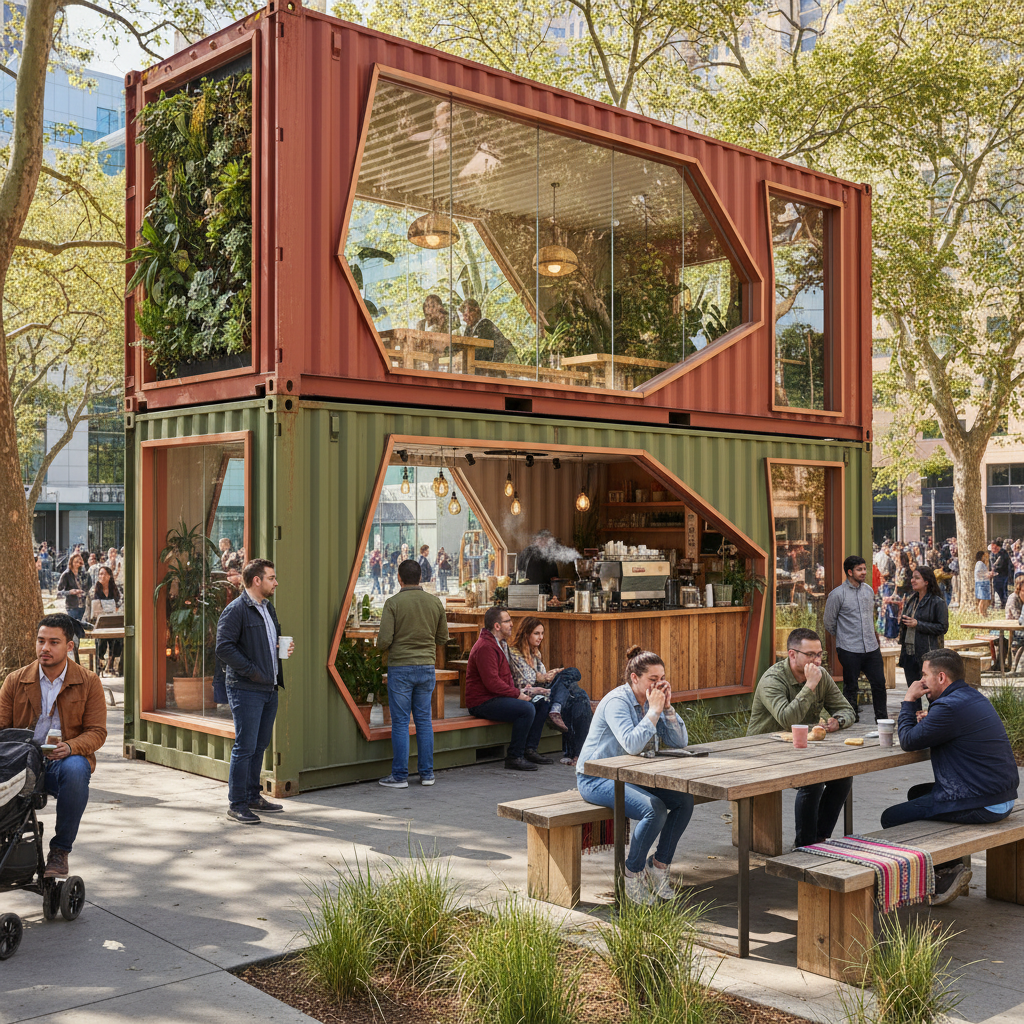
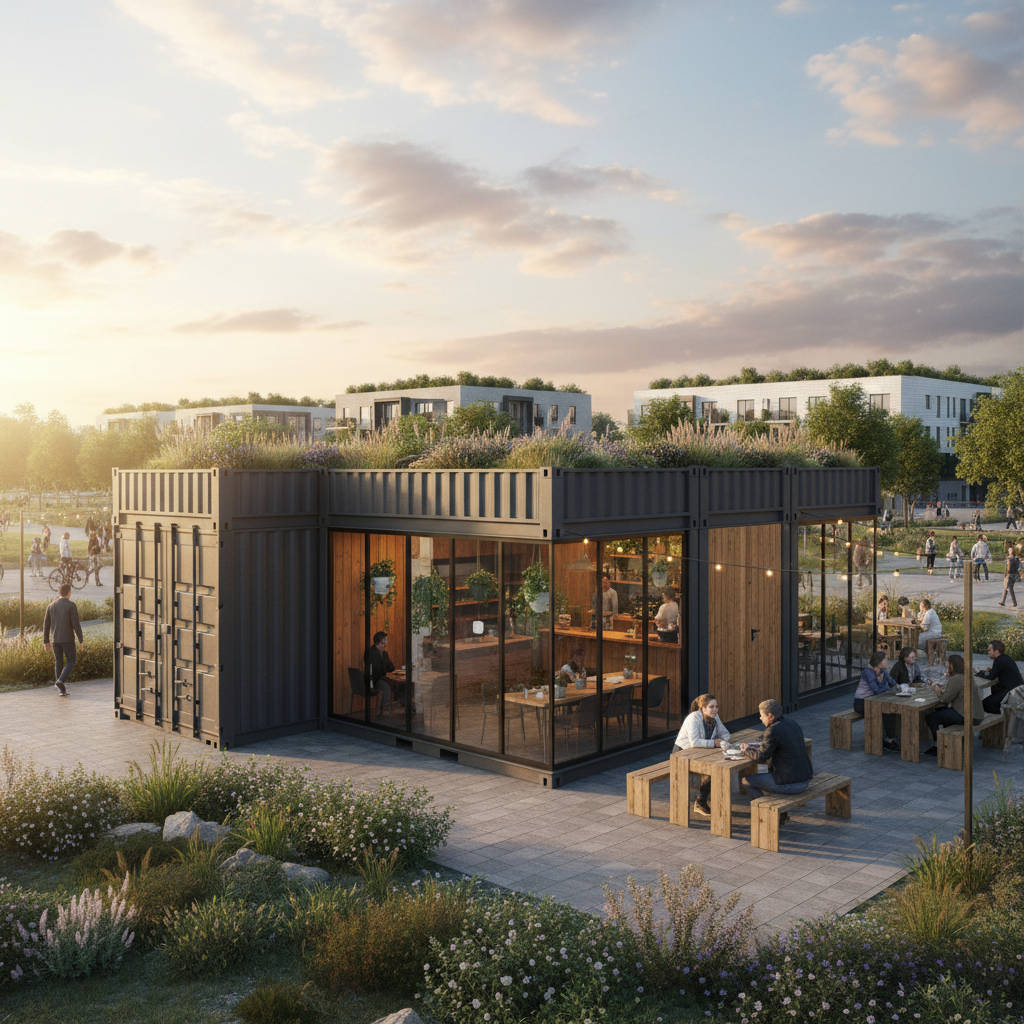
Aesthetic choices play a crucial role in attracting clientele. Research from the National Retail Federation suggests that 73% of consumers make shopping decisions based on a product's appearance. For a shipping container café, incorporating vibrant colors, unique signage, and eco-friendly materials can establish a strong brand identity. Utilizing natural light with large windows and incorporating greenery can create an inviting atmosphere that encourages visitors to linger. Additionally, the flexibility of shipping container design allows for outdoor seating areas, which have become increasingly popular since 2020, further enhancing the café's appeal. By thoughtfully integrating layout and aesthetics, entrepreneurs can carve out a niche in the competitive café market.
Shipping Container Cafe: Design Elements
This bar chart illustrates the estimated costs associated with various design elements when starting a shipping container cafe. Each category plays a significant role in creating a functional and attractive cafe environment.
Essential Equipment and Supplies for a Successful Container Cafe
Starting a shipping container cafe requires careful consideration of essential equipment and supplies to ensure a successful operation. According to a report by IBISWorld, the coffee shop industry revenue is projected to reach $45.4 billion in 2023, indicating a strong market potential. To tap into this growth, your container cafe should be well-equipped with high-quality espresso machines, grinders, and brewers. Investing in a reliable point-of-sale (POS) system is also critical, enabling efficient transactions and inventory management.
Additionally, you’ll need to furnish your cafe with comfortable seating and tables to create an inviting atmosphere. Research shows that customers are more likely to return to venues with a cozy ambiance, which can significantly enhance customer loyalty. Essential supplies like biodegradable cups and utensils can attract eco-conscious consumers and align with current sustainability trends. A 2022 survey indicated that 73% of consumers are willing to pay more for sustainable options, highlighting the importance of offering environmentally friendly products in your shipping container cafe. By focusing on these key elements, you can create a thriving business in this innovative space.
Navigating Permits and Regulations for Your Shipping Container Cafe
When setting up a shipping container cafe, understanding the permits and regulations in your area is crucial. Each municipality has its own set of rules regarding property use, health codes, and building regulations. According to the National Association of Food Equipment Manufacturers, navigating these legal requirements can be one of the biggest challenges for new food businesses. For instance, many areas require a health permit that adheres to guidelines set by the local health department. This may involve inspections of food preparation areas, waste disposal procedures, and ensuring that you meet safety standards. Therefore, early research into local regulations is essential to avoid costly delays.
Additionally, zoning laws can impact where you place your shipping container cafe. In some regions, you may need to obtain special permissions or variances to operate a café on specific types of land. It's advisable to consult with local zoning boards and possibly engage a legal expert who specializes in property laws within your region.
**Tip:** Always keep updated records of all permits and licenses in a dedicated folder, both digitally and physically. This ensures that you can easily renew permits as needed and stay compliant with health and safety inspections.
**Tip:** Networking with local business owners who have successfully navigated the permitting process can provide valuable insights and potentially save you time and frustration. Their experiences may help you identify shortcuts and avoid common pitfalls associated with opening a container cafe.
How to Start a Shipping Container Cafe: A Step-by-Step Guide
| Step |
Description |
Estimated Time |
Cost Range |
| 1 |
Research Local Market Demand |
1-2 Weeks |
Free |
| 2 |
Check Permits and Regulations |
2-4 Weeks |
$100 - $500 |
| 3 |
Design Your Cafe Layout |
2-3 Weeks |
$500 - $1,000 |
| 4 |
Obtain Necessary Equipment |
2-4 Weeks |
$5,000 - $15,000 |
| 5 |
Purchase Shipping Container |
1-2 Weeks |
$2,000 - $5,000 |
| 6 |
Setup and Prepare Cafe |
2-4 Weeks |
$1,000 - $3,000 |
| 7 |
Launch Your Cafe |
1 Week |
Varies |
Marketing Strategies to Make Your Shipping Container Cafe Stand Out
To make your shipping container cafe stand out in a competitive market, it's essential to develop unique marketing strategies that resonate with your target audience. Start by creating an inviting and visually appealing brand identity. Engage with professional designers to craft a logo and color palette that reflect the vibe of your cafe, whether it’s rustic, modern, or eco-friendly. Ensure that this branding is consistently applied across all platforms, including social media, your website, and physical signage.
Utilize social media effectively to build a community around your cafe. Share behind-the-scenes content, highlighting the process of converting a shipping container into a cozy coffee spot, or feature customer stories and testimonials. Local collaborations can also enhance visibility; consider partnering with local artists for events or featuring local ingredients in your menu. Organizing theme nights or pop-up events can create buzz and draw in crowds, ensuring that your cafe remains a talked-about local gem. Engaging online with your audience through polls or contests can further foster a loyal customer base eager to share their experiences.