How to Build Sustainable Container Buildings for Modern Living?
As the world grapples with pressing environmental challenges, container buildings emerge as a viable solution for sustainable living. According to a report by the World Green Building Council, sustainable buildings can achieve up to 30% energy savings compared to traditional construction. Container buildings, made from repurposed shipping containers, offer unique benefits. They promote recycling and reduce waste, addressing significant global concerns.
These structures are not only eco-friendly but also cost-effective. A study from the National Association of Home Builders shows that container buildings can be up to 20% cheaper to construct than typical homes. However, challenges remain. Issues like insulation and structural integrity require careful consideration. Many projects have faced setbacks due to design flaws or local zoning regulations.
While container buildings hold great promise, the implementation process is often imperfect. Each project demands creativity and adaptation, pushing builders to rethink conventional practices. This evolution can reshape our living spaces for a sustainable future. The potential of container buildings is real, but reflection on past projects is essential for continued improvement. Balancing innovation with practicality is key to making these structures a standard in modern living.

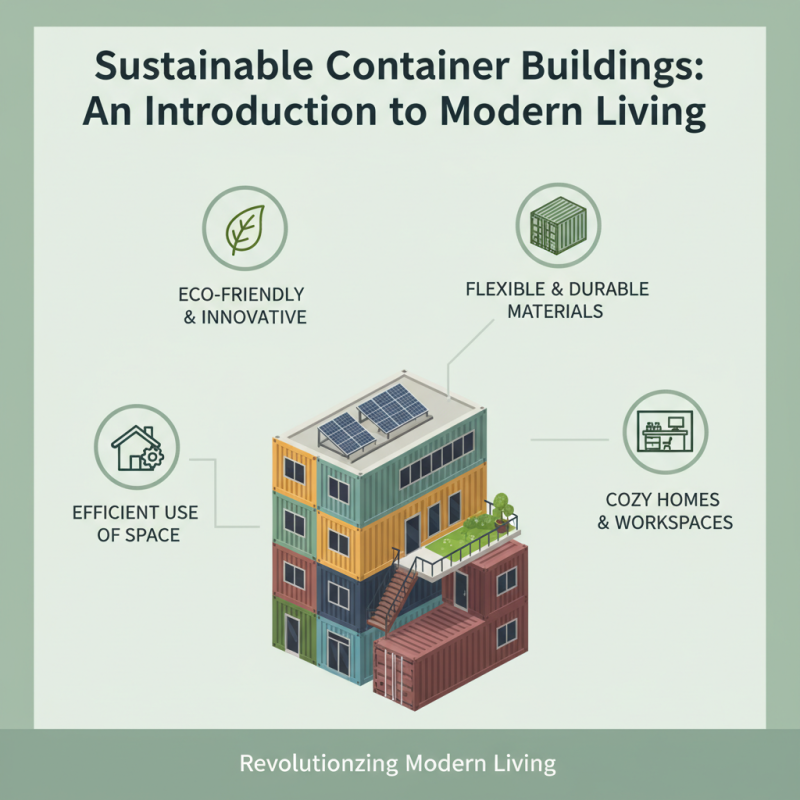
Sustainable Container Buildings: An Introduction to Modern Living
Sustainable container buildings are revolutionizing modern living. These structures can be eco-friendly and innovative. Using shipping containers as the main material offers flexibility and durability. The minimalist design allows for efficient use of space. Each container can transform into a cozy home or workspace.
Tips: Consider the location. A site with access to utilities can reduce energy costs. Install solar panels to harness clean energy. Also, think about insulation. Proper insulation keeps the indoor environment comfortable.
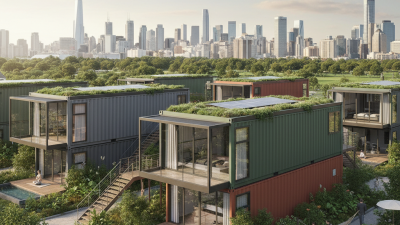
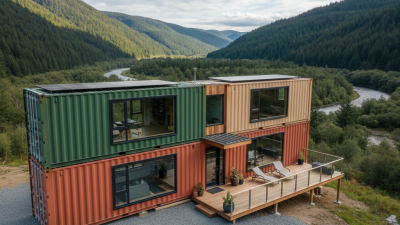
Design plays a crucial role in sustainability. Large windows invite natural light, reducing the need for electric lighting. Green roofs can promote biodiversity and mitigate heat. However, planning can be challenging. You may need to navigate local building codes or zoning laws. This process involves patience and creativity. Embrace the imperfections along the way; they can lead to unique building solutions.
The Environmental Impact of Container Buildings in Urban Areas
Container buildings have emerged as a unique solution for urban housing. They are made from repurposed shipping containers. This approach has several environmental benefits, but challenges persist. One notable benefit is reducing landfill waste. Old containers, otherwise discarded, find new life as homes or offices. This helps minimize the consumption of new materials. However, not all containers are suitable for building.
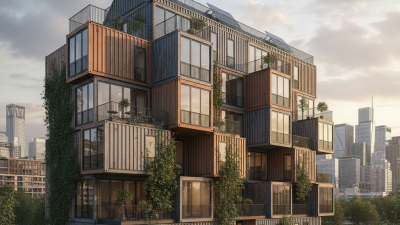
Urban areas often face significant space constraints. Container buildings can address this issue. They are compact and can be stacked or arranged in creative configurations. This vertical use of space promotes a better urban landscape. Yet, there are concerns about the materials used in containers. Paint and rust-proofing chemicals can pose environmental risks. Careful selection and treatment of materials are essential.
Many urban planners advocate for sustainable designs. Yet, the execution can fall short. Not all cities are ready to embrace this change. There is a lack of understanding about the potential of container buildings. Public perception often presents a hurdle. Some view them as temporary or subpar. More outreach and education are needed. The promise of container homes hinges on overcoming these barriers.
Environmental Impact of Container Buildings in Urban Areas
Materials and Technologies for Reducing Waste in Container Architecture
Container architecture can be a sustainable choice. The materials used play a crucial role in minimizing waste. Consider using recycled containers. They are sturdy and can be transformed into beautiful homes. Insulation materials are equally important. Look for options with low environmental impact. This includes wool, cork, or recycled denim. Each choice should reflect a commitment to sustainability.
Tips: Always check the source of your materials. Local suppliers often offer more eco-friendly options. A good plan reduces waste. Design your container spaces efficiently. This cuts down on unnecessary materials during construction. Reuse leftover materials whenever possible. Creative upcycling can add unique touches to your living space.
Think about the long-term sustainability of your choices. Using energy-efficient technologies is vital. Solar panels are a great addition. They can significantly reduce energy costs. Water conservation systems also matter. Rainwater harvesting can provide a sustainable water source. Remember, every small decision contributes to a larger impact.
Design Strategies for Energy Efficiency in Container Homes
Building sustainable container homes requires thoughtful design strategies. Energy efficiency is crucial in modern living. Focus on insulation, natural light, and renewable energy sources. Optimal insulation reduces heating and cooling costs. Consider using insulated panels and eco-friendly materials to enhance energy efficiency.
Tips: Use shipping containers with existing insulation. They can save time and money. Ensure proper sealing to prevent air leaks.
Natural light can transform a container space. Large windows and skylights improve ambiance. Additionally, integrate passive solar design principles. This approach maximizes heat gain in winter and minimizes it in summer.
Tips: Plant shade trees around your home. They can cool your space naturally. This also enhances outdoor aesthetics. Remember to account for orientation when placing windows.
Utilizing renewable energy sources makes a significant impact. Solar panels on the roof can power your home sustainably. Implement energy-efficient appliances to reduce overall consumption. Evaluate your energy needs carefully to achieve the best results.
Case Studies: Successful Sustainable Container Projects Worldwide
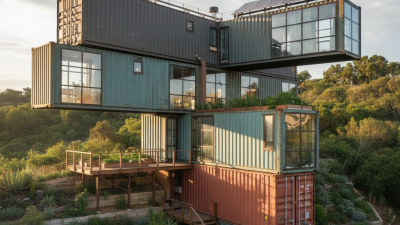
Container buildings have emerged as a sustainable solution for modern living. Around the globe, innovative projects showcase their potential. For instance, a charming container home in New Zealand blends with nature beautifully. Built with large windows, it captures sunlight and offers stunning views. Green roofs help regulate temperature and promote biodiversity. Such design choices mirror a growing trend in eco-friendly architecture.
In Portugal, a cluster of container units offers affordable housing. This project tackles urban density while ensuring comfort. Each unit is uniquely designed, maximizing space efficiency. However, not all projects are seamless. Challenges in insulation can lead to discomfort in extreme weather. Proper planning is essential, yet sometimes overlooked. Mistakes can provide crucial lessons for future designs.
Across Asia, businesses have converted shipping containers into pop-up shops. These vibrant spaces attract local communities. They are often temporary but leave a lasting impact. However, the transient nature of these projects raises questions about sustainability. Communities crave permanence but face rapid changes. Designers must balance innovation with lasting benefits.