Top 10 Innovative Shipping Container Modifications You Need to Know?
Shipping container modifications have become a hot trend in modern architecture and design. These adaptations can transform standard containers into innovative spaces. They serve various purposes, from homes to pop-up shops and offices.
The beauty of shipping container modifications lies in their versatility. A basic container can be reimagined into a cozy living space or a trendy café. However, the process is not always straightforward. It requires creativity, planning, and a clear understanding of the container’s structural limitations.
Many people overlook potential challenges, such as insulation or ventilation. A well-executed design must balance aesthetics with practicality. As more entrepreneurs venture into this field, it is crucial to explore the top innovative modifications available. These examples can inspire future projects and lead to even more groundbreaking ideas.
Innovative Uses of Shipping Containers in Modern Architecture
Shipping containers have evolved beyond their initial purpose of transporting goods. Today, they are utilized creatively in modern architecture. According to recent industry reports, the global modular construction market is expected to reach $157 billion by 2023. This reflects a growing trend towards innovative structures using sustainable materials, including shipping containers.
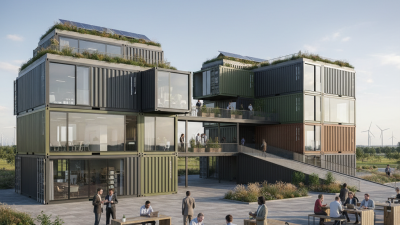
Architects and builders are transforming these containers into homes, offices, and even schools. For example, converting a single container can result in a compact living space of about 320 square feet. Some designs even incorporate multiple containers to create expansive, multi-story structures. This approach not only reduces construction time but also lessens waste. However, challenges remain. Insulation and weatherproofing can be tricky, requiring careful planning and execution.
Moreover, zoning laws can complicate container modifications. Many areas lack clear regulations on using shipping containers as permanent structures. This can lead to inconsistent applications and frustration among designers. For some, the aesthetic appeal of stacked containers can clash with local architectural styles. Balancing innovation with community standards remains an ongoing challenge in this field.
Top 10 Innovative Uses of Shipping Containers in Modern Architecture
Transforming Shipping Containers into Sustainable Housing Solutions
Transforming shipping containers into sustainable housing solutions is an innovative trend gaining momentum. According to a report by the World Bank, nearly 1.6 billion people worldwide lack adequate housing. Shipping containers present a viable alternative. They are affordable, durable, and eco-friendly, addressing a pressing global issue.
Containers can be modified into functional living spaces. They offer insulation, ventilation, and energy efficiency if designed properly. Some designs incorporate solar panels, rainwater harvesting, and green roofs. Data from the United Nations shows that over 50% of the world's population now lives in urban areas, increasing the need for sustainable housing. However, challenges remain. Not all modifications meet building codes, and the initial design can be complex.
While many projects have succeeded, others have faced criticism. Some containers may not provide sufficient space or comfort. Community acceptance also varies widely. Studies indicate that public perception often hinders the adoption of container homes. The future of shipping container homes lies in thoughtful design and community engagement.
Top 10 Innovative Shipping Container Modifications You Need to Know
| Modification Type |
Description |
Sustainability Benefits |
Estimated Cost |
| Container Home |
Converting a shipping container into a livable space |
Reduces building material waste |
$10,000 - $50,000 |
| Office Space |
Creating portable and modular office setups |
Minimizes land usage and construction time |
$15,000 - $40,000 |
| Retail Store |
Transforming containers into pop-up shops |
Promotes recycled materials reuse |
$8,000 - $30,000 |
| Greenhouses |
Container farms for local food production |
Conserves resources and promotes local agriculture |
$5,000 - $15,000 |
| Community Center |
Creating functional spaces for community gatherings |
Utilizes existing structures effectively |
$20,000 - $60,000 |
| Art Studio |
Designing creative spaces for artists |
Supports artistic expression in urban areas |
$10,000 - $25,000 |
| Swimming Pool |
Innovative idea to create a pool from a container |
Reuses metal containers, reducing landfill waste |
$10,000 - $30,000 |
| Storage Units |
Affordable solutions for personal and commercial storage |
Encourages recycling of old containers |
$3,000 - $10,000 |
| Emergency Shelters |
Quick-response housing solutions for disasters |
Rapid deployment helps disaster recovery |
$5,000 - $15,000 |
| Workshop Space |
Creating functional workspaces for DIY enthusiasts |
Encourages sustainability and self-sufficiency |
$8,000 - $20,000 |
Creative Modifications for Mobile Retail and Pop-Up Shops
Shipping containers have transformed into innovative retail spaces. Their modular nature allows for flexible designs, attracting entrepreneurs. A pop-up shop made from a shipping container can easily adapt to different environments. Imagine bright colors, large windows, and open layouts. These modifications enhance visibility and invite customers inside.
Mobile retail spaces often lack permanence. This instability can deter established brands from investing. However, the charm of pop-up shops lies in their temporary appeal. They create a sense of urgency. Unique designs can set them apart from traditional retail. The use of reclaimed materials adds character, but it may require more maintenance than expected.
Creating a successful pop-up space is not without challenges. Limited space means every inch counts. Stocking a diverse product range can be difficult. Additionally, achieving proper ventilation and lighting is crucial. Customers want comfort while they shop. Innovative designs should balance aesthetics and practicality. It's a constant process of trial and error, yet the visual impact can be remarkable.
Utilizing Shipping Containers for Disaster Relief and Emergency Shelters
Shipping containers are more than just transport units; they can be lifelines during disasters. Their durable structure makes them ideal for emergency shelters. According to a 2021 report by the United Nations, around 50 million people are displaced by natural disasters annually. Shipping containers provide a quick and affordable solution for temporary housing.
In disaster zones, speed is crucial. Containers can be modified quickly to serve as homes or medical facilities. They can be outfitted with insulation, plumbing, and electricity. This flexibility is vital in areas where traditional construction is not feasible. However, modifying containers requires skilled labor. The shipping container's rigid design can limit creativity in customization.
Tip: When planning to use shipping containers for shelters, assess the local climate. Proper ventilation and insulation are key. Consider the container's placement; it should be on stable ground to ensure safety. Remember, adaptability is essential in emergency situations. As the need for sustainable solutions grows, shipping containers represent a cost-effective, innovative answer.