Top 10 Scooter Sport Bike Types for Global Buyers
Choosing the right Scooter Sport Bike requires more than comparing engine size and attractive bodywork. Global buyers must consider riding purpose, road conditions, maintenance access, comfort, safety equipment, and local certification requirements. A sleek design may look impressive, yet it can feel tiring during daily commuting or unstable on uneven streets.
This guide introduces ten Scooter Sport Bike types for different riding priorities. Some focus on lightweight urban travel, while others offer stronger acceleration, larger wheels, improved storage, or longer-distance comfort. Each category reflects practical differences that buyers can experience directly, such as seat height, handlebar reach, braking confidence, and fuel or battery range. Small details matter. A narrow seat may help traffic maneuvering, but it may reduce comfort after an hour.
The recommendations are based on common market specifications, dealer practices, rider feedback, and realistic ownership concerns. However, no single type suits every country or rider. Availability, service quality, insurance rules, and approved equipment can vary widely between regions. Buyers should verify current requirements with authorized dealers and official transport authorities.
Performance figures also deserve careful reading. Test conditions differ. Advertised range may decrease in cold weather, heavy traffic, or frequent uphill riding. This guide is not a perfect formula. It is a practical starting point, with room for personal judgment and further inspection. Before purchasing, sit on the bike, check visibility, test the controls, and ask about parts support. The best choice should feel usable on an ordinary Tuesday, not only exciting in a showroom.
Defining Scooter Sport Bikes and Their Key Characteristics
Top 10 Scooter Sport Bike Types for Global Buyers
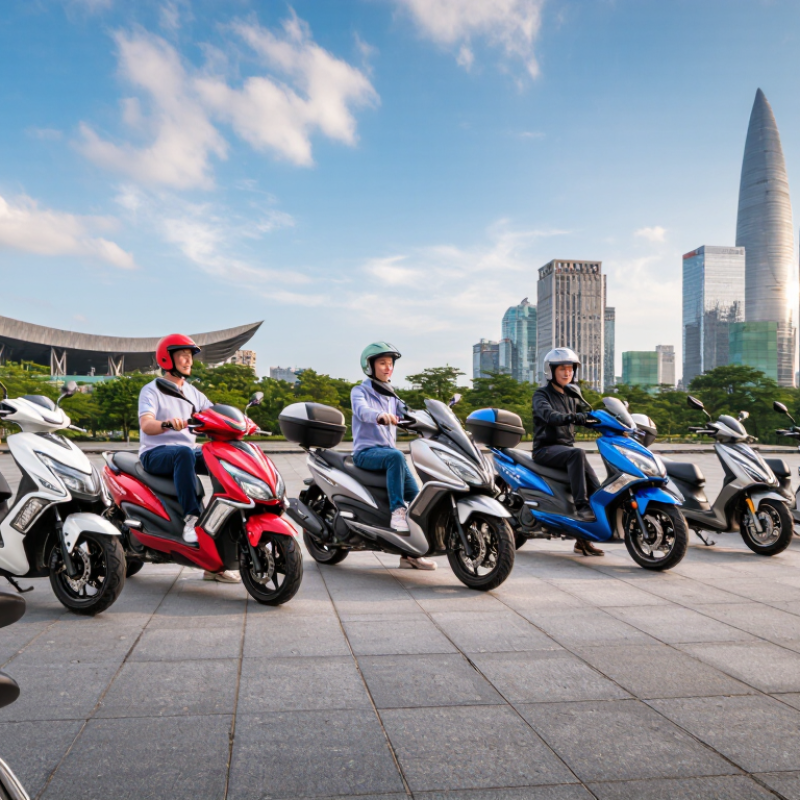
A scooter sport bike blends automatic convenience with sharper road behavior. It usually has a step-through frame, twist-and-go transmission, firm suspension, and angular bodywork. Some models use larger wheels for steadier cornering. Others emphasize low weight and quick city response. The category remains fluid. There is no single global definition, which can confuse buyers.
The International Energy Agency reported nearly 10 million electric two- and three-wheelers sold worldwide in 2023. That figure shows strong demand for efficient urban mobility. Meanwhile, the ACEM 2023 registration report recorded more than one million motorcycle registrations across Europe. Scooter sport bikes fit this environment well. They handle traffic, short commutes, and weekend roads with less clutch work. However, sporty styling does not guarantee strong braking or comfort. A firm seat may feel exciting for twenty minutes, then become tiring.
Tips: Check wheel size, brake hardware, suspension travel, storage volume, and rider ergonomics. Compare official range figures with real traffic conditions. I have found that payload ratings are often overlooked. Passenger weight and luggage can change acceleration noticeably. Buyers should also inspect service access and local parts availability. These details seem dull. They often matter more than aggressive graphics.
Comparing the Main Scooter Sport Bike Categories
Top 10 Scooter Sport Bike Types for Global Buyers
Comparing the Main Scooter Sport Bike Categories
Sport scooters usually fall into several practical categories. Lightweight urban models feel quick between traffic lights and remain easy to park. Their smaller engines often reduce fuel use, but highway comfort may be limited. Mid-size performance scooters offer stronger acceleration, larger storage areas, and better stability at higher speeds. They suit commuters who travel across cities and nearby towns.
Maxi-scooters provide relaxed seating, wind protection, and space for longer journeys. Adventure-style scooters add taller suspension and stronger weather protection for uneven roads. Electric performance scooters deliver quiet acceleration and simple daily charging. Range can change sharply in cold weather, heavy traffic, or with a passenger. A low-floor design helps shorter riders, while a sportier frame may improve cornering confidence. During test rides, check brake feel, throttle response, seat pressure, and mirror visibility. Small details matter.
Tips: Match the category to your real route, not your ideal weekend trip. Measure parking space and seat height before buying. Check local certification requirements, service access, battery support, and replacement-part availability. A quick test ride can hide heat, vibration, or uncomfortable wrist angles. Ride it cold. Compare insurance costs and carrying needs as well. My own buying mistake was choosing acceleration over comfort; daily traffic made that decision obvious. Consider a passenger, rain gear, and maintenance time before trusting performance figures.
Evaluating Performance, Comfort, and Practicality
Top 10 Scooter Sport Bike Types for Global Buyers
Evaluating performance, comfort, and practicality requires more than reading horsepower figures. In real riding, braking confidence and seat support matter just as much. Lightweight urban sport scooters suit crowded streets and frequent stops. Maxi-sport scooters offer stronger acceleration, better wind protection, and roomier seating. GT scooters favor long commutes with relaxed ergonomics and useful storage. Crossover adventure scooters handle uneven roads with taller suspension and wider tires. Electric performance scooters deliver quiet, instant response, but charging access remains important.
Underbone sport scooters feel agile and economical in dense traffic. Three-wheel sport scooters provide extra stability, especially on wet or irregular surfaces. Retro-sport scooters prioritize visual character, though some sacrifice storage space. Track-inspired scooters usually sharpen handling with firmer suspension and stronger brakes. Hybrid commuter-sport scooters balance fuel efficiency with responsive urban performance. Test riders should check throttle smoothness, mirror visibility, and low-speed balance. Small details matter.
Comfort changes after an hour, not five minutes. A narrow seat may feel sporty but create pressure during touring. Firm suspension can improve cornering, yet it may punish riders on broken pavement. Real-world range also varies with temperature, rider weight, hills, and luggage. Published specifications are useful, but they are not promises. I would inspect service access, tire availability, lighting, and local approval requirements before buying. Some models look practical until their storage cannot hold a full-face helmet. That mistake is easy to make.
Top 10 Scooter Sport Bike Types for Global Buyers
Comparative category scores from 1 to 10, evaluating typical performance, rider comfort, and everyday practicality across global scooter markets. Scores are indicative benchmarks rather than brand-specific test results.
Higher scores indicate a stronger overall fit for the selected criterion. Actual results vary by engine size, chassis design, equipment, road conditions, and local regulations.
Understanding Safety, Regulations, and Ownership Factors
Top 10 Scooter Sport Bike Types for Global Buyers
Choosing among ten sport-scooter formats starts with local rules, not acceleration figures. A 125cc step-through, a maxi-scooter, and an electric model may face different licensing, helmet, and registration requirements. Check power limits, passenger rules, lighting approval, emissions testing, and insurance before paying a deposit. Regulations change by country, and imported conversions can create inspection problems. That gap matters.
Safety deserves harder attention. WHO’s Global Status Report on Road Safety 2023 records about 1.19 million annual road deaths worldwide. It also identifies motorcyclists among the most exposed vulnerable road users. In the United States, NHTSA’s Traffic Safety Facts 2022 reported 66.57 motorcycle deaths per 100,000 registered motorcycles. Passenger vehicles recorded 10.6 deaths per 100,000. Anti-lock braking, bright lighting, stable tires, and protective clothing are practical filters, not luxury extras. Still, ABS cannot correct excessive speed or poor visibility.
Ownership costs need a roadside view. Compare service intervals, belt or chain replacement, battery life, tire prices, storage, and winter protection. Electric scooters reduce tailpipe emissions, yet charging access and battery replacement remain decisive. Ask for written warranty coverage and certified parts availability. A low purchase price can hide expensive downtime. I would not treat a polished ranking as final. A short test ride on wet pavement may reveal more than a specification sheet.