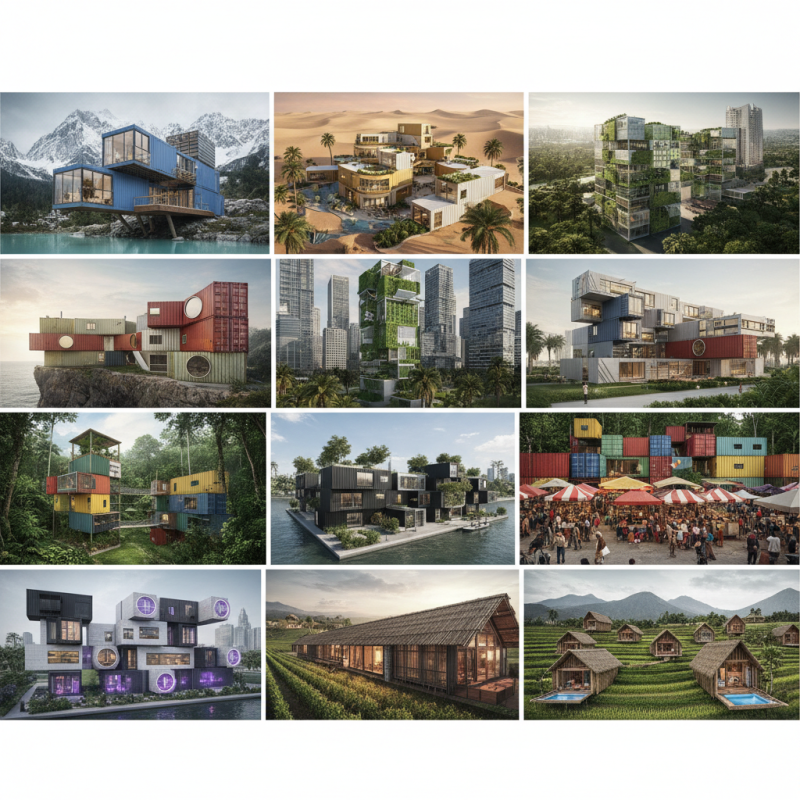
Top 10 Stunning Shipping Container Buildings You Must See?
Shipping container buildings are transforming how we think about architecture and sustainability. Expert architect Mike McGinnis states, "These structures showcase creativity and resourcefulness." His words resonate as we explore their unique designs.
These buildings are not just functional; they challenge traditional aesthetics. They come in various shapes, colors, and layouts. Each project tells a story, often reflecting local culture. However, the rapid rise of shipping container buildings has brought its share of criticism. Concerns about insulation and durability are common.
Despite these challenges, the appeal is undeniable. From homes to offices, shipping container buildings offer versatility. They embody innovation with an eco-friendly twist. As cities grow and evolve, these structures could redefine urban living. Let's delve into the ten most stunning examples inspired by this trend.
Overview of Shipping Container Architecture
Shipping container architecture is an innovative approach to building design. These structures are made from repurposed shipping containers. This method not only reduces waste but also generates unique living spaces. Many of these buildings are striking in their appearance, often integrating bright colors and geometric shapes.
The use of containers allows for quick construction. They can be stacked or arranged in various layouts. This flexibility can create eye-catching designs, but it's crucial to consider insulation and climate. Poor design might lead to uncomfortable living conditions. Additionally, builders must be cautious about zoning laws and regulations.
Container buildings are often praised for their environmental benefits. However, it's important to remember that not all containers are created equal. Some may require significant modifications to meet safety standards. This can create added costs and potential delays. Overall, creating beautiful and functional shipping container spaces can be a rewarding yet challenging endeavor.
Key Advantages of Using Shipping Containers in Construction
Shipping containers are becoming a popular choice in construction. They offer several advantages that appeal to architects and developers alike. One major benefit is sustainability. According to a report by the World Economic Forum, reusing these containers can significantly reduce construction waste. This approach is energy-efficient and aligns with global green building standards.
Cost-effectiveness is another vital aspect. A study by Grand View Research found that modular construction with shipping containers can save up to 30% in costs compared to traditional building methods. Containers are often readily available and can be modified to fit various designs. However, this method may not be suitable for all climates. Insulation needs can vary, which requires careful planning.
Flexibility in design is notable. Shipping containers can be stacked or arranged in multiple layouts. This versatility can create unique living spaces and offices. Still, integrating utilities such as plumbing and electricity can pose challenges. Each container needs specific adaptations to meet code requirements, sometimes leading to unexpected costs. The journey of using shipping containers is not without its hurdles, but the potential benefits are undeniable.
Top 10 Shipping Container Buildings Around the World
Shipping container buildings are redefining architecture worldwide. These structures use repurposed containers, creating unique shapes and sustainable spaces. They blend functionality with striking designs. From homes to offices, they serve various purposes. Each building tells a story, showcasing creativity and adaptability.
One stunning example is a vibrant community center in South America. Made from various used containers, it features bright colors and open spaces. This design encourages community interaction and activity. It’s an inspiring model for urban development. Another remarkable building is a luxury hotel in the deserts of Africa. It strategically incorporates elements of the local environment, merging modernity with nature.
Tips for visiting these sites: Always look for local tours. They can offer insights about the architecture. Take time to appreciate the details. Notice how the designs interact with their surroundings. Each container building holds lessons in sustainability and innovation, yet imperfections often arise. Some spaces may feel cramped or lack privacy. It’s essential to reflect on how such designs impact livability. These structures challenge traditional norms, provoked by the question of how to balance aesthetics and practicality.
Top 10 Stunning Shipping Container Buildings You Must See
| Rank |
Location |
Year Completed |
Purpose |
Notable Features |
| 1 |
Amsterdam, Netherlands |
2013 |
Housing Complex |
Sustainable design, integrated green spaces |
| 2 |
Cape Town, South Africa |
2017 |
Art Gallery |
Unique shape, eco-friendly materials |
| 3 |
Tokyo, Japan |
2015 |
Office Space |
Modular design, urban innovation |
| 4 |
Los Angeles, USA |
2020 |
Café |
Rooftop garden, community space |
| 5 |
Montreal, Canada |
2018 |
Student Housing |
Colorful exterior, energy-efficient |
| 6 |
London, UK |
2019 |
Commercial Space |
Adaptive reuse, modern design |
| 7 |
Berlin, Germany |
2014 |
Cultural Center |
Interactive spaces, community focus |
| 8 |
Singapore |
2021 |
Retail Space |
Innovative layout, energy-saving |
| 9 |
Melbourne, Australia |
2016 |
Restaurant |
Rustic design, outdoor seating |
| 10 |
São Paulo, Brazil |
2022 |
Community Hub |
Local art, multifunctional spaces |
Innovative Design Features of Container Homes
Shipping container buildings have gained popularity for their unique designs and versatile functionality. These structures often incorporate innovative features that make them stand out. Large windows flood the interiors with natural light. Tall ceilings create an open and airy feeling, making even small spaces seem larger. Additionally, the use of reclaimed materials adds character. Vibrant colors and inventive layouts challenge traditional architecture.
Another fascinating aspect is the adaptability of container homes. Some designs include green roofs. This feature helps with insulation and encourages biodiversity. Others have sliding walls, allowing for dynamic living spaces. However, certain designs may lack sufficient insulation, requiring more energy for heating or cooling. It’s essential to balance aesthetics with practical needs.
Container homes can reflect their owners' personalities. They can showcase art, exhibits, or other creative inspirations. This individuality is appealing but can lead to over-customization. Building permits and zoning laws can also complicate these projects. Therefore, the journey of creating a container home is both exciting and challenging.
Top 10 Stunning Shipping Container Buildings You Must See
This bar chart illustrates the costs associated with some of the most innovative shipping container buildings. Each bar represents the estimated cost in thousands of USD, showcasing how creative and sustainable design can come in various price ranges.
Future Trends in Shipping Container Builds and Sustainability
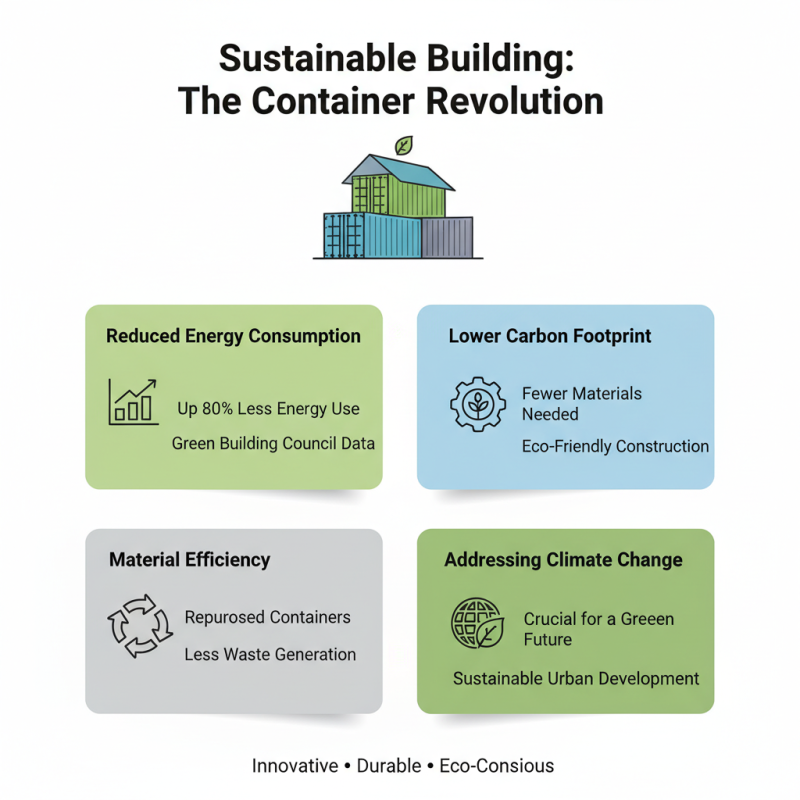
Shipping container buildings are gaining traction as sustainable alternatives to traditional construction. A study by the World Green Building Council highlights that green buildings can reduce energy consumption by up to 80%. This shift towards sustainability is crucial in addressing climate change. Container structures often require fewer materials, reducing the carbon footprint of each project.
Yet, challenges exist. The thermal performance of shipping containers can be poor if not properly insulated. Without thoughtful design, these buildings may become uncomfortable in extreme climates. Additionally, the supply chain for materials and labor can affect the project’s sustainability goals. Enhancing the ecological efficiency of shipping container homes remains a work in progress.
According to a report by McKinsey, eco-friendly building practices could save the construction industry trillions. Improved recycling methods for containers could further elevate sustainability. Future trends suggest a blend of innovative technology and traditional design principles might overcome current limitations. Embracing these trends is vital for the next generation of eco-conscious architecture.