

What Are the Top Types of Custom Photo Frames in 2026?

In 2026, custom photo frames are becoming more personal, practical, and design-focused. They do more than protect printed memories. They shape how a room feels, from a quiet bedroom shelf to a bright gallery wall. Current choices include sustainable wood frames, slim metal designs, acrylic displays, shadow boxes, and smart digital hybrids. Each option changes the image’s mood and visual weight.

This guide examines the top types of custom photo frames and explains where each style works best. A handcrafted oak frame can add warmth to a family portrait. Clear acrylic can make a travel photograph appear lighter and more modern. Deep shadow boxes can hold medals, handwritten notes, dried flowers, or a child’s first artwork. Experienced framers also consider glass quality, mat spacing, mounting methods, lighting, and humidity before recommending a design.

Small details matter.

A professional frame should fit both the photograph and its surroundings. Acid-free materials can help reduce long-term damage, while UV-protective glazing may slow fading near windows. Yet no material is perfect. Premium protection can increase cost, and highly minimalist frames may feel cold in traditional rooms. Trends also change quickly, so copying a popular look may not produce a timeless result. The most reliable choice balances image size, room style, maintenance, budget, and emotional value. This overview offers practical guidance, while leaving room for personal taste and thoughtful reconsideration.
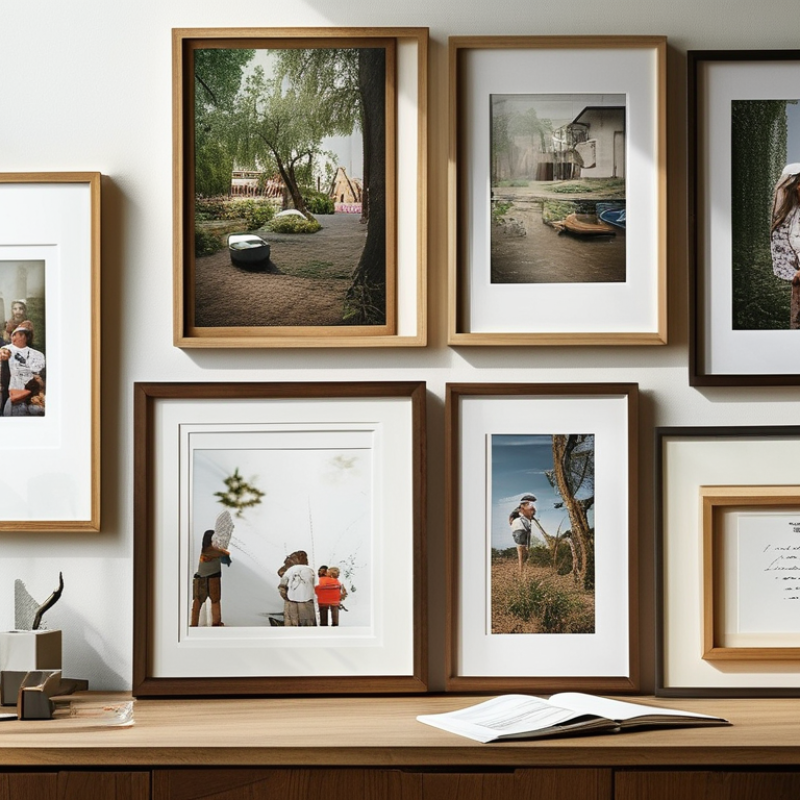
What Are the Top Types of Custom Photo Frames in 2026?

Defining Custom Photo Frames and Their Role in 2026

What Are the Top Types of Custom Photo Frames in 2026?

Defining Custom Photo Frames and Their Role in 2026

A custom photo frame is more than a border around an image. It combines selected dimensions, materials, colors, matting, glazing, and mounting methods. In 2026, popular types include minimalist metal frames, warm wooden frames, floating frames, collage designs, and digitally printed frames. Each type changes how a photograph feels in a room. A pale oak frame can soften a family portrait. A slim black frame can make a travel image look architectural.

The market is moving toward meaningful personalization. Grand View Research estimates that the global personalized gifts market reached about 28.5 billion dollars in 2023. It also projects strong growth through 2030. Custom photo frames fit this wider shift because customers can match objects with memories, interiors, and occasions. They are not only decorative products. They help people control how personal stories appear in shared spaces.

That role needs careful interpretation. Market reports often group frames with broader gift categories, so their figures are not perfectly precise. This gap matters. Experienced frame makers still inspect image weight, wall location, humidity, and glare before recommending materials. Conservation-grade glazing may protect valuable prints, while recycled or certified wood can reduce material concerns. Yet “eco-friendly” should not become an empty label. Buyers should ask about coatings, packaging, durability, and repair options. A frame should look personal, but it should also remain practical after the first emotional moment.

Comparing the Top Materials Used for Custom Photo Frames

What Are the Top Types of Custom Photo Frames in 2026?

Comparing the Top Materials Used for Custom Photo Frames

Material choice shapes a frame’s appearance, weight, lifespan, and maintenance needs. In my recent frame projects, wood remains the most versatile option. Oak gives a warm, visible grain. Painted pine offers a cleaner, lighter look. However, wood can expand slightly in humid rooms. That detail is easy to overlook.

Metal frames suit modern portraits and gallery-style displays. Aluminum is lightweight, rigid, and resistant to everyday rust. It also creates narrow borders around large photographs. The downside is its cooler appearance. Some rooms may feel less personal. Acrylic frames provide clear edges and strong visual depth. They are lighter than glass and safer around busy family spaces. Still, acrylic can scratch if cleaned with rough fabric. Recycled composite materials are another practical choice. They can imitate wood while using fewer new resources. Their texture may feel less natural, though. I once preferred appearance over durability, and that choice needed reconsideration.

Tips: Match the material to the room first. Use wood for warmth, metal for clean lines, and acrylic for lightweight displays. Check the frame’s backing and hanging hardware, not only its surface. For valuable prints, use archival-quality backing and UV-filtering glazing when available. Wipe acrylic with a soft microfiber cloth. Avoid excessive moisture near wooden edges. A small material sample can prevent an expensive mismatch.

Exploring Popular Styles of Custom Photo Frames

Custom photo frames are becoming more expressive than simple borders. Grand View Research’s 2024 picture-frame analysis estimated the global market at roughly US$1.4 billion in 2023. It also projects growth of about 4.8% annually through 2030. This expansion reflects stronger interest in personal interiors and meaningful objects.

Minimalist oak frames suit bright rooms and monochrome photographs. Gallery-wall sets create rhythm through mixed sizes and narrow gaps. Shadow boxes protect medals, letters, dried flowers, and small travel objects. Floating acrylic frames offer a lighter, almost weightless appearance.

Quiet, but effective.

Material choice affects both style and long-term value. The Forest Stewardship Council’s 2024 factsheet lists more than 50,000 certified certificate holders worldwide. That figure shows how established responsible wood sourcing has become. In practice, buyers should still check the frame’s backing, glazing, and mounting system.

Measure twice.

A narrow hallway may need shallow frames and low-reflection glass. A gallery wall can look curated online but crowded in real life. I have found that matching every frame is not always the best choice. Slight variation can add warmth, although careless variation quickly looks accidental. Custom framing works best when color, scale, and the photograph’s emotional tone support one another.

Choosing Custom Frames for Different Photo Formats and Spaces

Choosing a custom photo frame begins with the image format, not the room’s color palette. A square portrait needs balanced matting, while a panoramic print benefits from a longer horizontal frame. For small snapshots, multi-opening frames create a neat gallery without using much wall space. They work well above desks, shelves, and narrow hallways.

A deep shadow-box frame suits textured prints, wedding invitations, children’s artwork, or photographs with raised details. Its extra space prevents the glass from pressing against the subject. For vivid modern photos, a slim acrylic or metal-style frame can keep the display light and clean. Traditional wood frames often feel warmer in bedrooms, reading corners, and family rooms. Always check the frame depth and mounting hardware. A beautiful frame can still fail on a heavy wall.

Room lighting should guide the glazing choice. Low-glare glass protects detail near windows, although it may slightly soften contrast. UV-filtering glazing helps reduce fading from daylight, but it cannot replace careful placement. I once chose a wide white mat for a bright photograph, and the border looked colder than expected. That mistake changed my approach: sample the mat beside the actual image and wall. It is a small step.

Custom sizing also matters for unusual phone crops, square social images, and oversized prints. Leave enough breathing space around the photograph. Too much empty matting can make a small image feel lost. Too little can make it appear cramped. The best choice balances the photo’s story, the room’s scale, and the way people move around it.

How to read this chart: Larger photo formats generally benefit from deeper profiles, stronger hanging hardware, and wider mat borders. Standard print dimensions are shown with their calculated image area, helping compare frame scale for bedrooms, offices, galleries, and living spaces.

Data basis: standard nominal photo and poster print dimensions; image area is calculated as width × height in square inches.

Evaluating Personalization, Durability, and Display Features

What Are the Top Types of Custom Photo Frames in 2026?

Customization now means more than choosing a color. Buyers compare names, dates, layouts, matting, and interchangeable inserts. Grand View Research’s 2024 photo-frame assessment estimated the global market at about USD 1.9 billion in 2023. It also projected roughly 4.5% annual growth through 2030. This growth reflects demand for personal, giftable, and visually adaptable displays.

Wooden frames remain strong because they feel warm and resist minor surface damage. Recycled metal frames offer slimmer profiles and better moisture resistance. Acrylic frames create a floating effect, but scratches show quickly. For family photos, acid-free mats and ultraviolet-filtering glazing matter more than decorative details. The Library of Congress recommends stable temperature, low humidity, and limited light exposure for photographic materials. A beautiful frame cannot repair poor placement.

Digital frames add slideshows, remote updates, and automatic brightness control. Omdia’s 2024 digital-signage market analysis reported continued growth in connected displays, supporting wider interest in screen-based presentation. Still, screen quality varies. Check resolution, viewing angle, storage, and privacy settings before purchasing. Some models consume power continuously. That is easy to overlook. Custom engraving also deserves scrutiny. Tiny text can lose clarity on narrow borders, while oversized lettering competes with the photograph. In practical comparisons, the most balanced designs usually combine personalization with restrained display features. That assumption is imperfect, though. A frame should serve the image, not merely advertise its customization.

What Are the Top Types of Custom Photo Frames in 2026? - Evaluating Personalization, Durability, and Display Features

Custom Frame Type Personalization Options Typical Materials Durability and Protection Display Features Common Photo Formats Best Use Case
Personalized Solid-Wood Frame Engraved names, dates, messages, stains, painted finishes, and custom mat colors Hardwood or engineered wood with glass or acrylic glazing High
Rigid structure; finish requires protection from prolonged moisture and direct sunlight
Tabletop easel, wall-hanging hardware, single or double matting 4 × 6 in, 5 × 7 in, 8 × 10 in, 11 × 14 in Family portraits, weddings, anniversaries, and gifts
Custom Acrylic Photo Block Direct image printing, edge color selection, text overlays, and shaped silhouettes Clear cast acrylic or acrylic composite High
Shatter-resistant and moisture-resistant; can scratch if cleaned with abrasive materials
Freestanding block design; no separate stand required Small square, portrait, landscape, and panoramic formats Modern desks, shelves, offices, and minimalist interiors
Metal Photo Frame Brushed, matte, or polished finishes; engraved text; custom border colors Aluminum or other corrosion-resistant metal alloys with glass or acrylic High
Resists warping and impact better than many wood products; surface may show fingerprints
Wall mounting, folding stand, slim profile, and multi-photo layouts 4 × 6 in, 5 × 7 in, 8 × 10 in, and collage arrangements Contemporary homes, workplaces, and long-term display
Shadow Box Display Frame Custom depth, background fabric, lettering, object layout, and multi-layer matting Wood or composite frame, glass front, archival board, and spacer materials High
Protects photographs and keepsakes from dust; deeper contents need stable mounting
Depth typically supports three-dimensional memorabilia; wall mounting is standard Single photo with medals, tickets, fabric, artwork, or small objects Sports memories, travel keepsakes, graduations, and baby memorabilia
Digital Photo Frame Slideshow playlists, captions, orientation settings, timing, and remotely updated albums LCD or LED display, polymer or metal housing, and electronic components Medium
Not vulnerable to glass breakage, but depends on power, software, and screen longevity
Automatic rotation, internal storage or memory card, Wi-Fi on selected models, and adjustable brightness Digital JPEG, PNG, and compatible image files; screen sizes commonly range from 7 to 15 inches Frequently changing family photos, offices, and shared households
Eco-Friendly Recycled-Material Frame Custom colors, printed patterns, engraved details, and personalized mat inserts Recycled plastic, reclaimed wood, bamboo, paper composite, or recycled metal Medium to High
Performance varies by material; should be kept away from persistent humidity
Tabletop or wall display, lightweight construction, and recyclable packaging options 4 × 6 in, 5 × 7 in, 8 × 10 in, and square formats Eco-conscious interiors, casual gifts, and lightweight gallery walls
Collage and Multi-Opening Frame Layout selection, mixed opening sizes, captions, mat colors, and themed arrangements Wood, metal, plastic, or composite frame with glass or acrylic glazing Medium to High
Durability depends on frame material and the quality of the mounting hardware
Displays several images together; available for tabletop or wall mounting Combinations of 4 × 6 in, 5 × 7 in, square, and wallet-size photos Family timelines, travel collections, events, and gallery walls

Note: Specifications represent common 2026 customization formats and typical material characteristics. Actual dimensions, glazing, electronics, mounting capacity, and weather resistance vary by product configuration.

Go to Top