
Choosing a freight container in 2026 means matching cargo, route, and handling needs—not chasing a single “best” option. Dry containers remain a common choice for boxed and palletized goods. Standard 20-foot and 40-foot units suit many shipments, while high-cube containers add vertical space for lighter, bulky loads. Refrigerated containers help maintain controlled temperatures for suitable perishables and other temperature-sensitive cargo. They need reliable power, correct settings, and monitoring during transit. Open-top containers allow loading from above, which can help with tall or awkward items. Flat racks provide support for oversized cargo. Tank containers are designed for compatible bulk liquids. Each type solves a different problem.
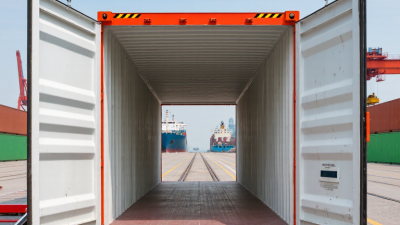
Side-door containers can make loading and access easier, depending on the shipment and facility. But category names do not tell the whole story. Interior dimensions, door openings, payload limits, equipment condition, and route availability can affect whether a unit is suitable. For refrigerated cargo, confirm the required temperature range and power arrangements with the carrier or equipment provider. For unusual dimensions or weights, ask about handling requirements before booking. Small details matter. A container may fit the cargo on paper yet prove impractical at a loading dock. This guide compares the leading container types, their typical uses, and the trade-offs to consider. There is no universal winner, and availability can vary by route. That part is easy to overlook.
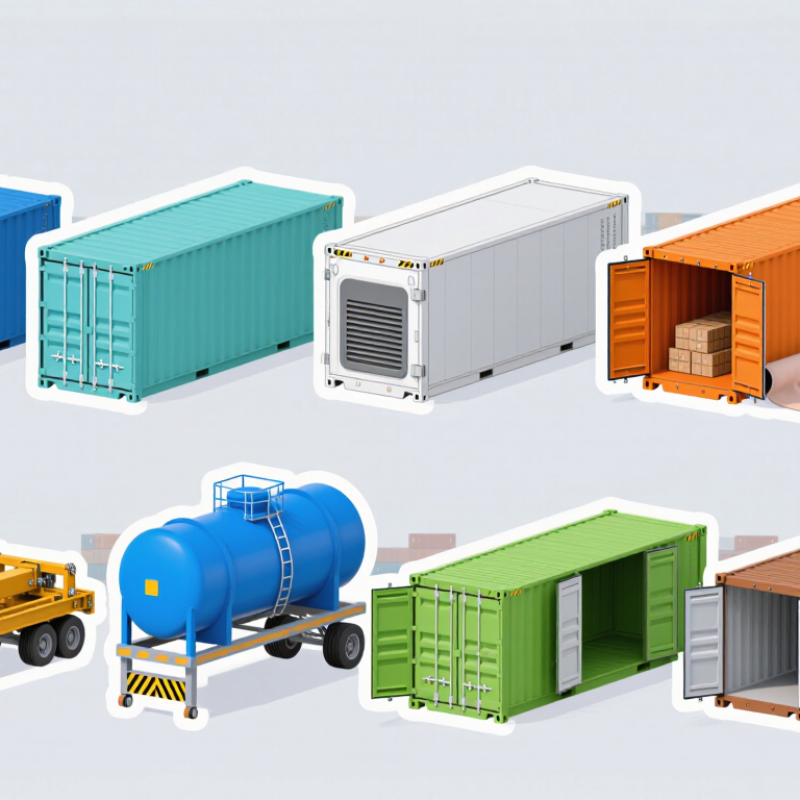
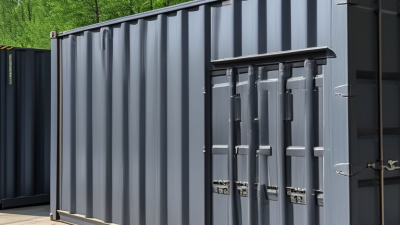
Standard dry freight containers are the everyday choice for boxed, palletized, and many other non-temperature-controlled goods. Their enclosed steel structure helps shield cargo from weather and handling damage. Common lengths are 20 feet and 40 feet, though internal dimensions and payload limits vary by unit. Check the container’s data plate and carrier specifications before planning a load. That small step prevents awkward surprises.
Tips: Inspect the floor, door seals, and corners for damage or dampness. Keep cargo weight evenly distributed, and secure items against shifting. Leave space for doors to close freely. For moisture-sensitive goods, consider suitable protective packaging; a dry-looking container is not always truly dry.
These containers work well for general cargo because they are widely available and easy to handle across many transport stages. They are not a perfect fit for every shipment: oversized items may need another container type, and sensitive cargo may require temperature control. In practice, even a sound container can arrive with minor wear, so inspect it before loading and record any concerns. A few minutes spent checking can save time later.
High-cube containers are typically 9 feet 6 inches tall externally, about one foot taller than standard-height units. That extra foot matters. In a 40-foot high-cube, the added vertical space can accommodate tall machinery, stacked cartons, or bulky furniture without awkward tilting. It can also improve cubic utilization when freight is light enough to fill the available volume. Measure the doorway, too. Door openings are lower than the container’s exterior height, and internal dimensions vary slightly by unit and condition.
Before loading, compare cargo height with usable interior height, allowing room for packaging, dunnage, and safe handling. Check weight as well: more volume does not mean more permitted payload, and floor loading can become uneven beneath concentrated loads. A high-cube container may also need suitable chassis clearance and handling equipment at each transfer point. These details are easy to overlook when planning from a diagram. One imperfect assumption can leave a load unable to pass through the doors. For irregular freight, measure the widest and tallest points, test the loading sequence, and confirm the container’s actual specifications before dispatch. The extra room is useful, but only when the cargo fits the real box—not the drawing.
Refrigerated and insulated containers protect cargo in different ways. A reefer actively controls temperature and airflow; an insulated container mainly slows heat transfer. That distinction matters. Frozen seafood often needs about -18°C, while fresh produce requires crop-specific settings. No universal setting works.
FAO’s 2023 SDG report estimates that 13.2% of food was lost between harvest and retail in 2021. Cold-chain failure is only one contributor, but the scale is sobering. Before loading, verify the product’s validated temperature range, pre-cool when specified, keep air channels open, and log supply- and return-air readings. Small details matter.
UNEP’s 2024 Food Waste Index estimates 1.05 billion tonnes of food waste in 2022, about 19% of food available to consumers. That includes retail, food service, and households, so containers are not a complete solution. For medicines, follow documented, shipment-specific limits; a single display reading cannot confirm every carton stayed within range. Transfers remain vulnerable. Door openings, delayed plug-in, or blocked vents can undo careful planning.
| Container Type | Typical Size | Temperature Control | Suitable Cargo | Key Planning Consideration |
|---|---|---|---|---|
| 20-ft refrigerated container (reefer) | About 6.1 m (20 ft) long; internal capacity is commonly around 28–29 m³. | Powered refrigeration with a selectable set point. The available range depends on the specific unit and operating conditions. | Smaller or heavier temperature-controlled shipments, including frozen foods, dairy products, and some pharmaceuticals. | Confirm the required temperature, cargo weight, ventilation needs, and available power at each transport stage. |
| 40-ft refrigerated container (reefer) | About 12.2 m (40 ft) long; internal capacity commonly varies by model and is generally greater than a 20-ft reefer. | Powered refrigeration maintains a set temperature when the unit is correctly connected to power. | Large-volume chilled or frozen goods, such as produce, meat, seafood, and packaged food. | Check payload limits and airflow clearances; do not block the floor channels or air-return path with cargo. |
| 40-ft high-cube refrigerated container | About 12.2 m (40 ft) long and taller than a standard-height 40-ft container; internal dimensions vary by equipment. | Powered refrigeration; temperature capability is equipment-specific. | Voluminous temperature-sensitive cargo that benefits from additional vertical loading space. | Verify the container’s internal height and door opening, plus the cargo’s stackability and ventilation requirements. |
| Insulated container (non-refrigerated) | Available in several container sizes; usable internal space depends on insulation thickness and design. | Insulated walls slow heat transfer but do not actively cool or heat the cargo. | Goods that can tolerate gradual ambient-temperature changes during a limited transit period. | Not a substitute for a reefer when a shipment requires a continuously controlled temperature. Transit duration and outside conditions matter. |
| Reefer container with controlled-atmosphere capability | Typically offered in selected reefer formats; availability and specifications vary by equipment. | Provides refrigerated temperature control and, where fitted, adjustable atmosphere management. | Selected fresh produce shipments that require both temperature management and control of gas composition. | Confirm the commodity-specific atmosphere settings, monitoring plan, and equipment availability before booking. |
Note: Dimensions, capacity, payload, and temperature ranges vary by manufacturer, model, age, and operating conditions. Check the equipment data plate and confirm shipment requirements with the carrier before loading.
Open-top containers suit tall cargo that must be loaded from above, such as machinery or bundled timber. A crane can lower items through the open roof. A secured tarpaulin helps protect cargo from weather, but it is not a substitute for careful packing. Check the cargo height, lifting points, and loading plan before dispatch.
Flat-rack containers have strong end walls and an open deck, making them useful for wide or heavy loads. Cargo is secured with suitable restraints at designated lashing points. Measure the full shipment, including supports and protrusions. Then check weight distribution and route clearances. A load can fit the deck yet still exceed a height limit on the planned journey. That detail is easy to miss.
Tips: Photograph the cargo before loading and record its measured dimensions. Confirm lifting and lashing arrangements with qualified freight staff. Leave room for error; measurements on paper do not always reflect awkward shapes in real life. Recheck them.
Tank and ventilated containers serve freight that needs more than a standard enclosed box. A tank container holds liquid cargo in a sealed vessel secured within a steel frame. Before booking, check the cargo’s compatibility with the tank materials, required capacity, and loading connections. Cleaning records and previous-cargo details also matter, especially when residue could affect the next shipment. Small details matter.
A ventilated container has built-in openings that help air circulate around suitable goods, such as coffee beans or some produce. The vents can reduce stagnant air, but they do not control temperature or humidity like a refrigerated unit. Picture warm air moving through side vents during a long trip: useful, but not a guarantee against moisture or heat damage. Packaging and airflow around the cargo still need careful planning.
In practice, the right choice depends on the cargo’s behavior, route conditions, and handling equipment at both ends. A tank container may simplify bulk-liquid transfer, yet cleaning and discharge arrangements can add work. Ventilated units may help cargo breathe, though blocked vents or tightly packed loads limit circulation. I have seen specifications look clear on paper and still leave questions about unloading. Confirm those operational details with the carrier before dispatch.