2026 Top Shipping Container Modifications Ideas for Innovative Spaces?
In recent years, shipping container modifications have gained immense popularity. These innovative spaces serve various purposes, from homes to offices. The versatility of shipping containers inspires creativity and offers unique design possibilities.
Many people have transformed standard containers into modern living spaces. Some designs feature large windows and sustainable materials. Others may struggle with insulation and ventilation. Every project reveals challenges and opportunities for improvement.
As we explore 2026's top ideas, we see both aesthetic and functional adaptations. There's a growing interest in eco-friendly designs, yet some concepts remain impractical. Each modification tells a story of innovation and resilience, making us rethink traditional spaces.
Innovative Uses of Shipping Containers in Modern Architecture
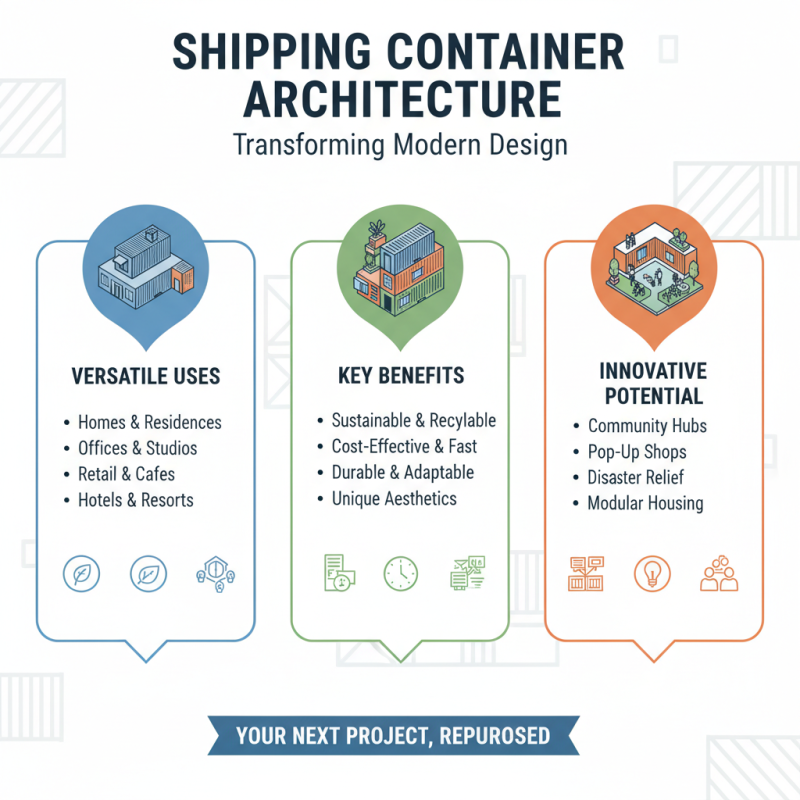
Shipping containers are transforming modern architecture in exciting ways. They offer a versatile solution for various needs. These sturdy structures can be modified into homes, offices, or even pop-up cafes. The potential is immense. Imagine a vibrant community space built from repurposed containers, adorned with greenery and art. The aesthetic appeal is hard to ignore.
However, using shipping containers is not without challenges. Proper insulation is vital for comfort, especially in extreme temperatures. Some struggle with legal restrictions in urban areas. Zoning laws might limit where containers can be placed. Water drainage and ventilation also require careful planning. Unique designs might face unexpected practical issues.
The innovative use of these containers invites creativity. Architects and designers must consider sustainability more than ever. Upcycling materials is crucial. The idea of modular living spaces is gaining traction. Yet, each project can become a learning experience. Mistakes lead to better designs. This evolving trend reflects a shift towards functional, eco-friendly living.
Creative Modifications for Residential Living Spaces with Containers
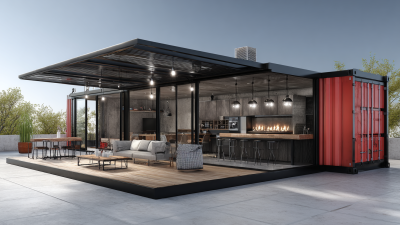
Shipping containers offer endless possibilities for creative residential spaces. They provide sturdy structures that can be transformed into unique homes. Imagine living in a contemporary space, designed just for you. A container home can feature large windows that let in natural light. The industrial charm of exposed metal adds character and depth to the space.
To begin your project, consider insulation options carefully. Choosing the right material can influence comfort. A well-insulated container will maintain a stable temperature year-round. Also, think about layout flexibility. You can easily create an open floor plan or cozy nooks. Experimenting with room divisions using movable dividers can add a fun touch.
When personalizing your container home, pay attention to outdoor spaces. A deck or small garden enhances the living experience. Utilize vertical gardens to maximize greenery, especially in smaller areas. Incorporating sustainable features like rainwater collection can be rewarding. Each modification will reflect your style and values. It’s important to embrace imperfections. Some DIY projects may not turn out as planned. But each step in this journey is a chance for growth.
2026 Top Shipping Container Modifications Ideas for Innovative Spaces
| Modification Type |
Description |
Benefits |
Estimated Cost (USD) |
| Single-Container Home |
A compact residential space utilizing one shipping container. |
Affordable housing solution, quick setup. |
$20,000 - $30,000 |
| Container Office |
A workspace modified from a container, includes windows and insulation. |
Portable, cost-effective office space. |
$15,000 - $25,000 |
| Container Cafe |
A cafe built using multiple shipping containers with ample seating. |
Unique dining experience, customizable layout. |
$30,000 - $50,000 |
| Container Pool |
A pool made by transforming a container into a modern swimming space. |
Use of recycled materials, space-efficient. |
$10,000 - $15,000 |
| Garden Studio |
A small studio for gardening or creative work. |
Peaceful workspace, promotes creativity. |
$5,000 - $12,000 |
Transforming Shipping Containers into Functional Workspaces
Shipping containers are transforming how we see workspaces. These metal boxes can be repurposed into functional offices, studios, or creative hubs. The appeal lies in their versatility and cost-effectiveness. Imagine a bright, airy workspace created from a simple shipping container. Large windows let in natural light, blending indoor and outdoor environments.
Furnishing a shipping container workspace can be a challenge. Choosing the right layout is crucial. Open spaces feel less confined, while distinct areas foster productivity. Incorporating plants adds vibrancy. However, ensuring proper insulation and ventilation is vital for comfort. Many underestimate how temperature control impacts motivation and creativity.
Adding personal touches is equally important. Wall art, comfortable furniture, and smart tech can enhance the atmosphere. Yet, it’s easy to get carried away with decoration. Balancing aesthetics and functionality requires thoughtful reflection. Creating a unique workspace from a shipping container is an exciting journey, but it also comes with its set of challenges.
Sustainable Practices in Shipping Container Modifications
In recent years, shipping container modifications have gained traction as a sustainable building solution. According to a report by the International Organization for Standardization, about 28 million cargo containers are used worldwide. Many of these end up unused and discarded, leading to environmental concerns. Repurposing these containers not only minimizes waste but also reduces the need for new materials. This aligns with the principles of the circular economy, where resources are reused efficiently.
Utilizing used shipping containers for homes, offices, or even pop-up shops can be both an economical and environmentally friendly choice. Research shows that modifying a shipping container can cut construction costs by up to 30%. For example, a single container can provide 160 square feet of usable space. Creative design can transform this space into multifunctional areas. However, proper insulation and ventilation are often overlooked. Neglecting these aspects can lead to energy inefficiencies and discomfort.
Sustainable practices in shipping container modifications also include incorporating green technologies. Solar panels and rainwater harvesting systems can significantly reduce the ecological footprint. Still, many projects fail to consider long-term maintenance. In addition, integrating landscaping around modified containers could enhance aesthetics but requires careful planning. A holistic approach is essential for truly sustainable spaces.
Unique Container Designs for Recreational and Community Spaces
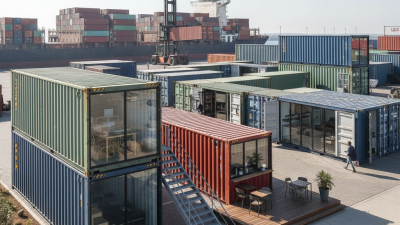
Shipping containers have become popular for creating unique recreational and community spaces. They are cost-effective and versatile. A transformed container can serve as a vibrant community center. These spaces encourage interaction and foster creativity.
Consider a container café filled with cozy seating. Large windows can offer scenic views. Colorful murals on the exterior can spark conversations. Outdoor seating bridges the gap between nature and the urban environment. This design could invite community members to relax and enjoy.
However, not all designs are perfect. Some projects may struggle with insulation. Others might face zoning challenges. It’s essential to consider the practicalities. A space should not only be visually appealing but also functional. Balancing aesthetics with usability can be complex, but it leads to innovative solutions.