
2026 Top Trends in Modified Shipping Containers for Innovative Uses?

The use of modified shipping containers has reshaped various industries. These versatile structures have endless potential. In 2026, we are witnessing exciting trends in innovative applications.

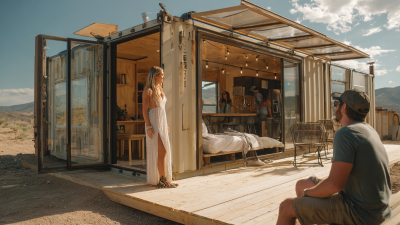
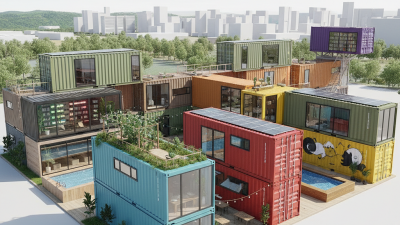
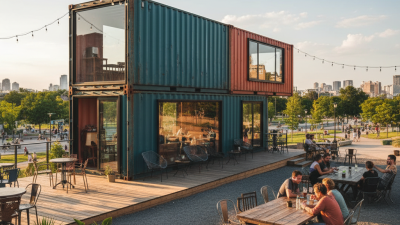
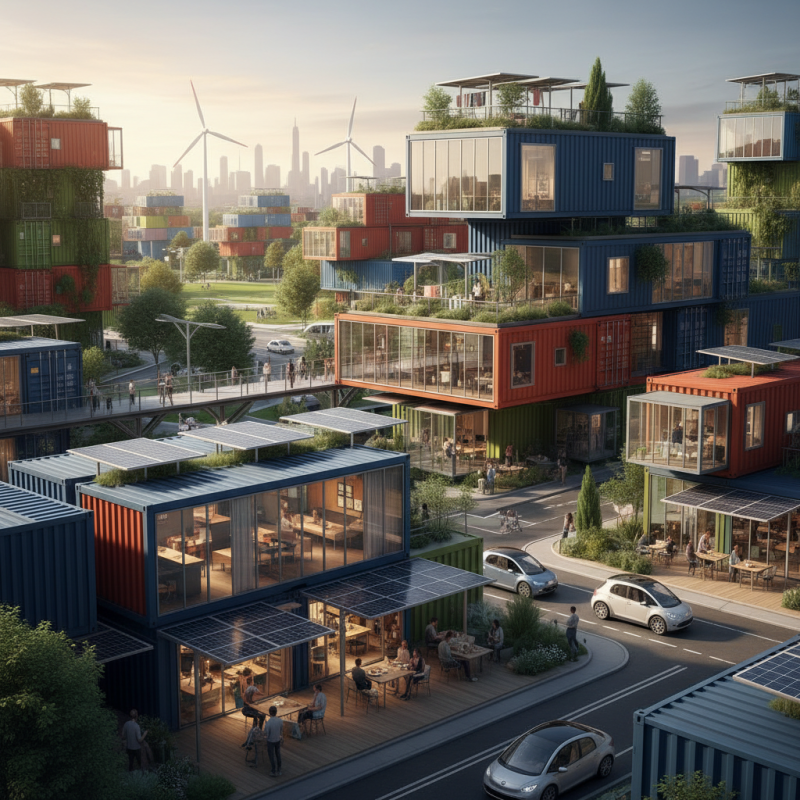
Modified shipping containers are now found in urban spaces as pop-up shops and cafes. Their mobility makes them ideal for temporary installations. Creative architects are repurposing these containers into unique housing solutions. People are living in eco-friendly, affordable homes made from these containers.

However, there are challenges. Not all areas are equipped for such innovations. The environmental impact of modifications must be considered. Future trends may require us to reflect on sustainable practices. Embracing the possibilities of modified shipping containers may lead to a smarter, greener future.
2026 Top Trends in Modified Shipping Containers for Innovative Uses?

Emergence of Modified Shipping Containers in Modern Industries
2026 Top Trends in Modified Shipping Containers for Innovative Uses?

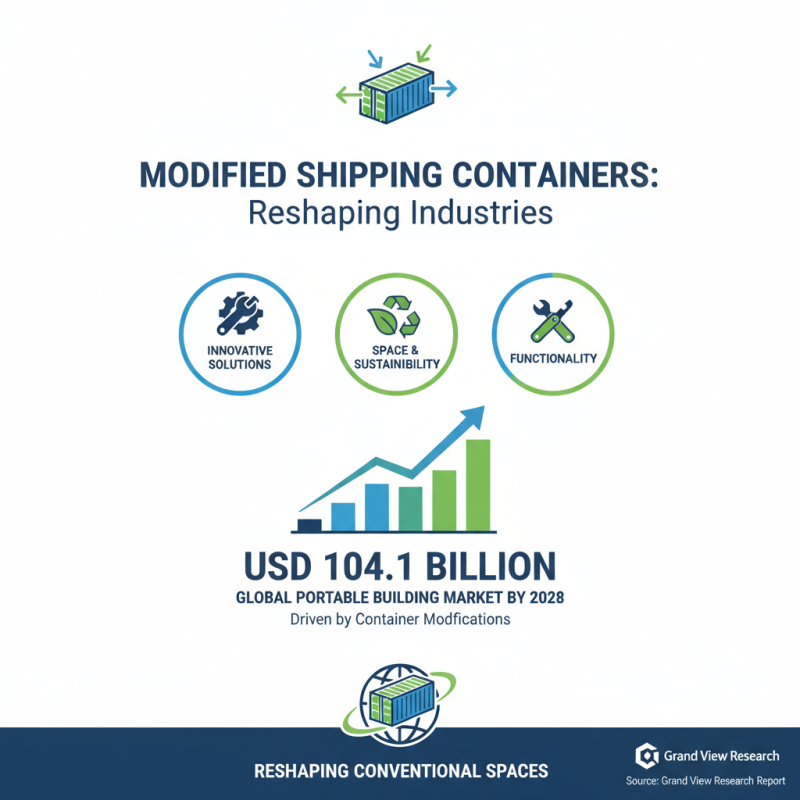
Modified shipping containers are making waves in various industries. They offer innovative solutions for space, sustainability, and functionality. According to a report by Grand View Research, the global portable building market is expected to reach USD 104.1 billion by 2028, driven largely by container modifications. This trend is reshaping how businesses view conventional spaces.

In the construction sector, modified shipping containers are being utilized for temporary offices, storage, and even housing. They provide a flexible and cost-effective alternative to traditional buildings. Data from the Container and Intermodal Cargo Storage Association shows that these containers can reduce construction costs by up to 50%. However, adapting these containers requires thoughtful design. Issues like insulation and ventilation need to be addressed to ensure comfort and safety.

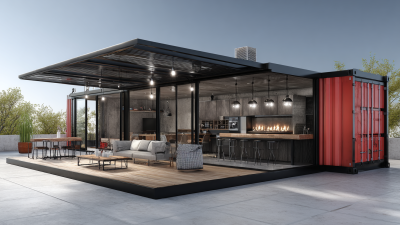
Moreover, the retail industry has embraced modified containers for pop-up shops and mobile eateries. These setups can easily be transported and assembled, catering to a growing trend of on-the-go consumerism. Studies indicate that container-based retail solutions can lower overhead by 30% compared to standard storefronts. However, there remains a risk of misjudging demand and location success. This dynamic underlines the need for businesses to conduct thorough market research before making significant investments in container modifications.
Innovative Applications of Shipping Containers in Sustainable Architecture

The use of shipping containers in architecture is evolving. They offer innovative solutions for sustainable living. These repurposed units are versatile. They can be transformed into homes, offices, and community spaces. Their durability makes them an excellent choice for various climates. These containers can adapt to different environments. Rainwater harvesting systems can be easily integrated. They help reduce water usage.

Tips: Consider insulation carefully. Not all containers are the best for every climate. Adding windows can increase natural light. This can reduce energy costs significantly. Secondly, check for any rust damages. Rust can compromise the structure over time. Keeping up with maintenance is crucial.

Many designs embrace eco-friendly features. Solar panels can be installed on rooftops. This harnesses energy for heating or electricity. The challenge lies in balancing aesthetics with functionality. Some designs may feel too industrial. Materials can be chosen to soften the appearance. Reclaimed wood or greenery can help create a warmer atmosphere. Reflecting on personal needs is essential in this process. A container isn't always the best fit for everyone.

Trends in Urban Agriculture Utilizing Modified Shipping Containers

Urban agriculture is gaining traction, with modified shipping containers emerging as a key player in this trend. These containers provide a controlled environment for growing fresh produce. According to a report from the American Society of Agricultural and Biological Engineers, container farming can increase crop yields by up to 30%. This approach can significantly help urban areas with limited space for traditional agriculture.

Containers can be equipped with hydroponic systems. This setup allows plants to grow without soil, using nutrient-rich water instead. This method uses 90% less water than conventional farming. However, high initial setup costs can deter some potential growers. The space within containers can support diverse crops like herbs, leafy greens, and strawberries. Still, it's crucial to monitor conditions closely, as neglecting temperature or humidity can lead to crop failures.

Tips: Start small. Test with a few containers before scaling up. This can help you understand the nuances of indoor farming. Research local climate conditions. You'll need to tailor your setup accordingly. Be open to learning from failures, as they can provide invaluable insights for future growth.

2026 Top Trends in Modified Shipping Containers for Innovative Uses - Trends in Urban Agriculture Utilizing Modified Shipping Containers

Trend Description Key Benefits Projected Impact (2026)
Vertical Farming Utilizing multi-level structures in modified containers to maximize space. Increased yield per square foot, reduced land use. Expected to double urban agriculture production.
Hydroponics Integration Incorporating hydroponic systems for soil-less plant growth. Water conservation, faster growth rates. Could lead to a 30% increase in crop growth speed.
Insulated Containers Using modified containers with enhanced insulation for climate control. Energy efficiency, improved growing conditions. Reduced energy costs by up to 50%.
Community Gardens Setting up community-based gardens using modified shipping containers. Promotes local food sources, enhances community bonding. Potential to create 100+ community gardens in urban areas.
Automated Growing Systems Utilizing technology for automated watering and nutrient delivery. Less labor intensive, consistent crop care. Increased efficiency could improve yield by 20%.

Shipping Containers as Versatile Solutions for Mobile Businesses

The shipping container trend is revolutionizing mobile businesses. With a surge in demand for flexible solutions, modified containers have become a go-to option. According to a recent industry report, the mobile business sector is expected to grow by 20% over the next five years. This is driven by the need for entrepreneurs to minimize costs while maximizing creativity.

Containers offer a unique canvas for various ventures. They can easily transform into cafes, boutiques, or even offices. The customizable nature of these containers attracts many startups. They are often more affordable than traditional storefronts. However, not all modifications are successful. Some entrepreneurs underestimate the logistical challenges these modifications present. Each project needs careful planning and execution, or it can lead to increased costs.

Sustainability is another factor driving the popularity of modified containers. According to a study by the Green Building Council, upcycling containers reduces waste and promotes eco-friendly practices. But it requires a commitment to quality. Poor construction can lead to safety hazards and damage. Business owners must prioritize proper design to ensure longevity and functionality.

2026 Top Trends in Modified Shipping Containers

The following chart illustrates the top trends in the innovative uses of modified shipping containers for mobile businesses, showcasing their versatility across various industries.

The Role of Technology in Enhancing Modified Container Designs

2026 Top Trends in Modified Shipping Containers for Innovative Uses?

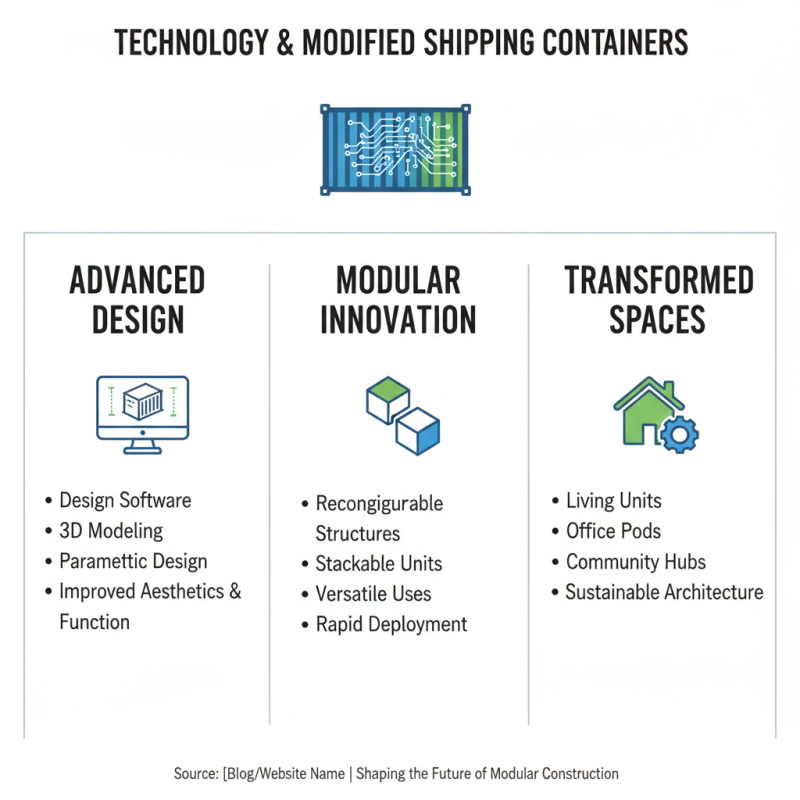
The integration of technology plays a significant role in shaping modified shipping containers. With advancements in design software, architects can create more functional and aesthetically pleasing structures. Many new designs showcase modularity, allowing containers to be easily reconfigured for various purposes. These innovations often lead to unique living spaces, offices, or community hubs.

Smart technology enhances these containers further. Solar panels, climate control systems, and IoT devices help make them sustainable and energy-efficient. These additions are not just about convenience; they provide a blueprint for eco-friendly living. However, some designs do not prioritize user-friendliness, leading to usability concerns. It’s worth questioning if technology truly improves the experience or complicates it.

Additionally, 3D printing technology opens up exciting possibilities for container modifications. Custom parts can be fabricated on-site, reducing waste and transportation costs. Yet, this technology is still evolving. Implementing it requires careful planning and skill. As we explore these innovative uses, we must reflect on the balance between modern technology and practical design. Will innovation always lead us in the right direction?

Go to Top