Top 10 Types of Freight Containers You Should Know About?
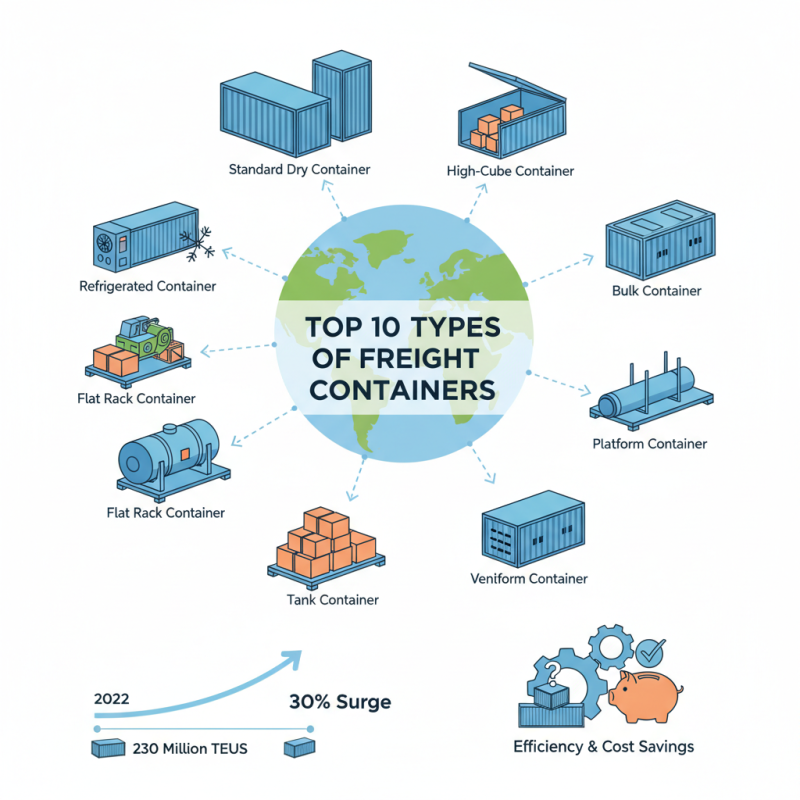
The logistics and shipping industry has experienced significant growth, with freight containers playing a crucial role. In 2022, global container shipping volume reached approximately 230 million TEUs (Twenty-foot Equivalent Units). This metric highlights the importance of understanding freight containers, as they are the backbone of international trade.
Different types of freight containers serve various purposes. From standard dry containers to specialized refrigerated units, each type is designed to meet specific shipping needs. According to a report by FreightWaves, the demand for specialized containers has surged by 30% over the past three years. These figures reveal a market adapting to diverse cargo requirements.
Moreover, while many companies rely heavily on freight containers, challenges remain. Issues such as container shortages and rising shipping costs are persistent. Understanding the various types of containers can help businesses make informed decisions. Choosing the right freight container can enhance efficiency and minimize costs in the long run. As the industry evolves, staying informed on container innovations and trends is essential for success.
Introduction to Freight Containers and Their Importance
Freight containers play a crucial role in global trade. They are designed for transporting goods efficiently and securely. Understanding the various types of containers can help businesses make better choices. Each type serves a specific purpose, from standard cargo to specialized options.
Containers come in different sizes and shapes. Standard containers are typically 20 or 40 feet long. They can hold a vast range of products, from electronics to textiles. Refrigerated containers keep perishable goods at optimal temperatures during transit. However, miscalculating space can lead to complications. There's always a risk of choosing the wrong type for certain items. This mistake is costly and limits shipping efficiency.
Moreover, other types of containers focus on unique needs. Open-top containers allow for loading oversized machinery easily. Tank containers are perfect for liquids, but they require careful handling. Each container type has advantages and disadvantages. Recognizing these can save businesses from potential headaches. The importance of freight containers cannot be overstated in modern logistics.
Overview of Standard Freight Container Types
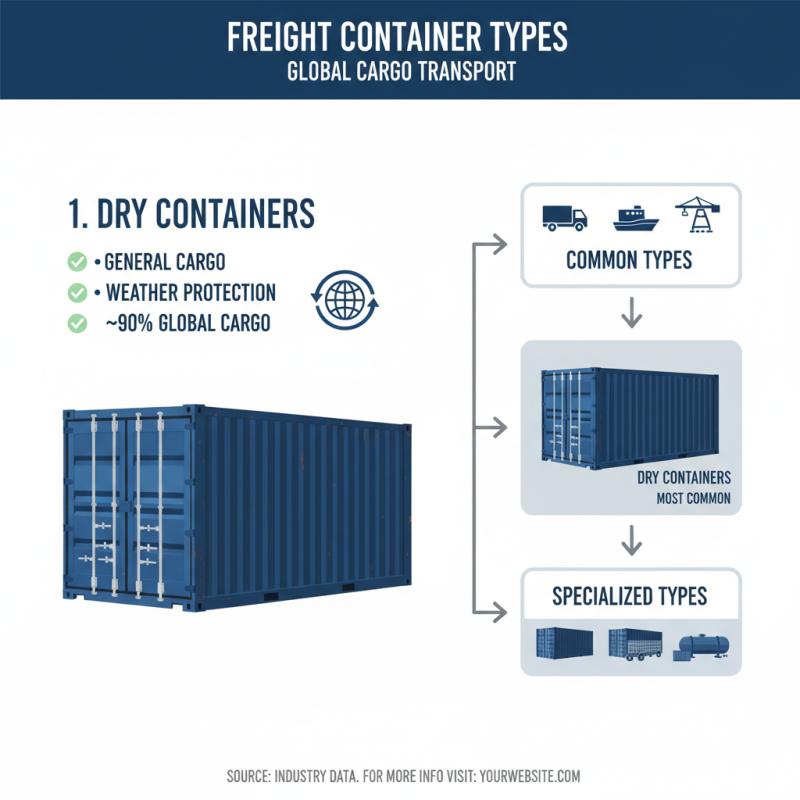
Freight containers come in various types, each serving specific transport needs. The most common ones are dry containers. These are designed for general cargo. They offer protection against weather. Approximately 90% of global cargo moves in these containers.
Next are refrigerated containers. Also called reefers, they keep perishable goods fresh. These containers maintain temperatures between -30°C and +30°C. The demand for refrigerated transport has increased by 25% over the past five years. Many businesses rely on reefers for shipping food and pharmaceuticals.
Open top containers allow easy loading of oversized items. They have a removable roof. This design helps transport machinery and construction materials. Additionally, flat rack containers help with heavy, bulky loads. They can support up to 40 metric tons. However, proper securing is often a challenge. Each container type has its specific pros and cons. Understanding these can enhance logistics efficiency.
Specialized Freight Containers for Unique Cargo Needs
When transporting unique cargo, specialized freight containers are essential. These containers cater to specific needs, ensuring safe and efficient transport. For example, refrigerated containers are vital for perishable goods. These units maintain specific temperature ranges, protecting items like fruits and pharmaceuticals.
Another type is the flat rack container. This design is perfect for oversized cargo that doesn’t fit standard containers. However, securing items can be challenging. Careful planning is crucial. Tank containers hold liquids and hazardous materials. These containers must adhere to strict safety protocols to prevent spills.
Ventilated containers help transport goods that require airflow. Items like coffee beans and fresh produce thrive in these conditions. Yet, environmental factors can impact cargo quality. Specialized containers like the open-top variety allow oversized items with height clearance. They require careful loading to prevent damage. Understanding the right container type is vital for successful shipping.
Benefits of Using Different Freight Containers
When it comes to shipping goods, choosing the right freight container is crucial. Different containers serve specific purposes. For example, a refrigerated container is essential for perishable items. It maintains a controlled temperature, ensuring products remain fresh. On the other hand, open-top containers are ideal for bulky cargo that doesn’t fit into standard containers. This flexibility allows businesses to transport diverse goods efficiently.
Using various freight containers offers several benefits. For one, they maximize space and minimize damage. Stacking equipment in the right containers can help in optimizing loading. Moreover, using the right container can lower shipping costs. A well-suited container reduces the risk of spoilage or breakage during transit. However, it’s worth reflecting on logistics. Not all companies have the knowledge to choose the best container. This gap can lead to inefficiencies and wasted resources. Understanding container types is vital for better decision-making.
Top 10 Types of Freight Containers and Their Benefits
Factors to Consider When Choosing a Freight Container
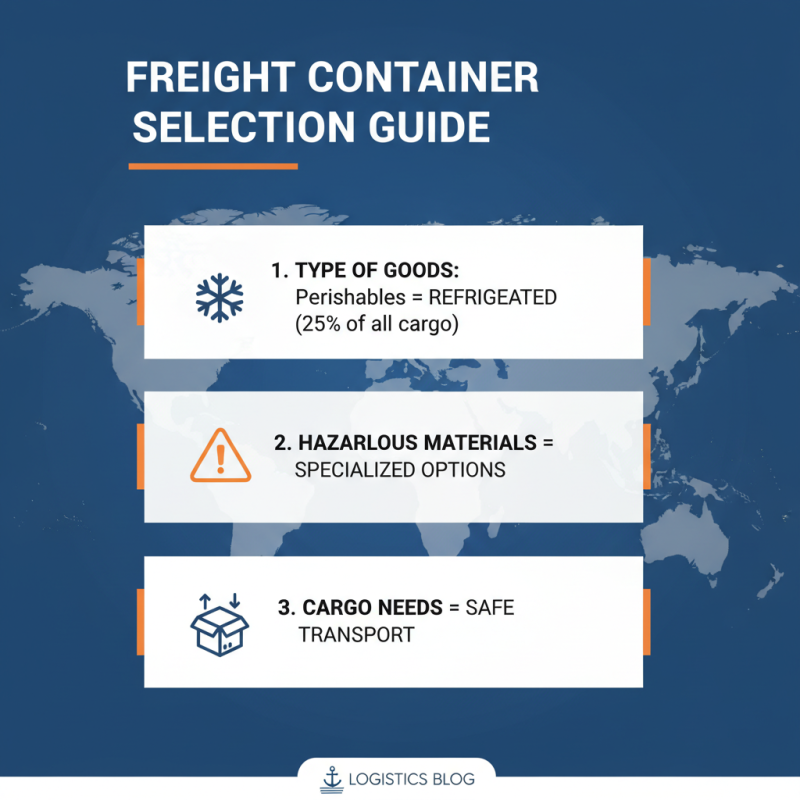
When choosing a freight container, several factors must be considered. The type of goods being transported is crucial. For example, perishable items may require refrigerated containers, while hazardous materials need specialized options. According to industry reports, over 25% of shipping goods are temperature-sensitive. Understanding your cargo needs is essential for safe transport.
Size and weight specifications are also important. Freight containers come in various dimensions, such as 20-foot and 40-foot options. The wrong size can result in wasted space, raising shipping costs by up to 30%. Weight limits affect truck and ship capacity as well. Always verify the dimensions and weight constraints before making a decision.
Tips:
- Analyze your product needs thoroughly.
- Consider future shipping growth; this could affect your current choice.
- Regularly review container conditions to avoid damage claims.
Identifying the right container type should reflect careful planning. Assess label compliance and inspection reports. Each element impacts your logistics success. Remember, not all containers are created equal, and mistakes in selection can lead to serious issues. Make informed decisions rather than rushed ones.