Top 10 Uses for Shipping Containers You Never Knew About
In recent years, the versatility and sustainability of shipping containers have captured the imagination of architects, entrepreneurs, and environmentalists alike. Experts in the industry, such as Dr. Emily Carter, a renowned sustainable architecture advocate, emphasize the potential of these containers beyond their traditional use. She famously stated, "Shipping containers are a powerful tool for creative design and innovation, proving that recycling can lead not only to functionality but also to aesthetic appeal."
As more people begin to recognize the unconventional applications for shipping containers, it's essential to explore the innovative ways they can be repurposed. These sturdy, modular structures can serve a multitude of purposes, from chic coffee shops to emergency housing. The reuse of shipping containers not only addresses space and housing issues but also contributes to a more sustainable approach to construction, aligning with global efforts to reduce waste and carbon footprints.
In this article, we will delve into the top 10 surprising uses for shipping containers that you may not have considered. Each application showcases the limitless possibilities of this once-overlooked resource, encouraging creativity and sustainability in our modern world.
Unique Residential Options: Transforming Shipping Containers into Homes
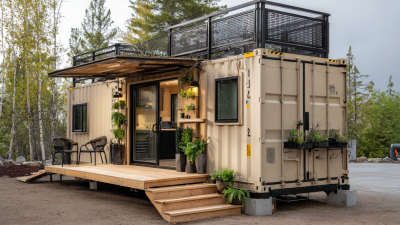
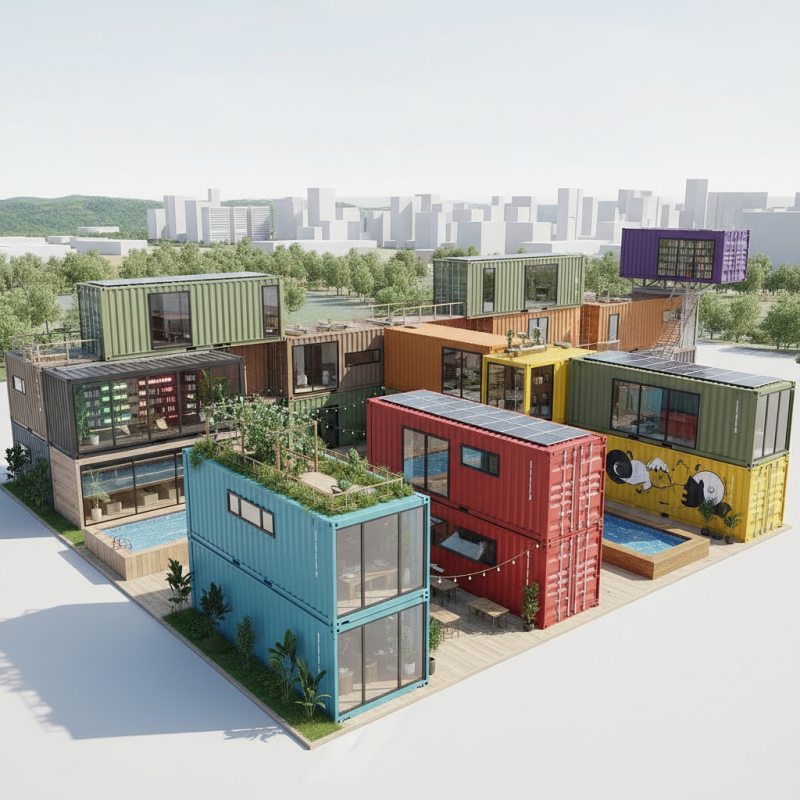
Transforming shipping containers into homes is a creative and sustainable solution that has gained popularity in recent years. These rugged structures offer an affordable and eco-friendly alternative to traditional housing. With their modular design, they can be easily stacked or combined to create unique living spaces that fit various lifestyles and needs. Not only do they allow for innovative architectural designs, but they also promote the efficient use of resources, helping to minimize waste in construction.
The interior of a converted shipping container can be fully customized, making it possible to create anything from cozy single-family homes to modern, open-plan lofts. Features such as large windows, eco-friendly insulation, and energy-efficient appliances can be integrated to enhance comfort and sustainability. Additionally, the mobility of these containers allows homeowners to relocate their living space, offering flexibility in today's fast-paced world. As more people seek to break free from conventional housing norms and reduce their carbon footprint, shipping container homes represent a paradigm shift in how we think about residential living.
Innovative Business Solutions: Using Shipping Containers for Retail Spaces
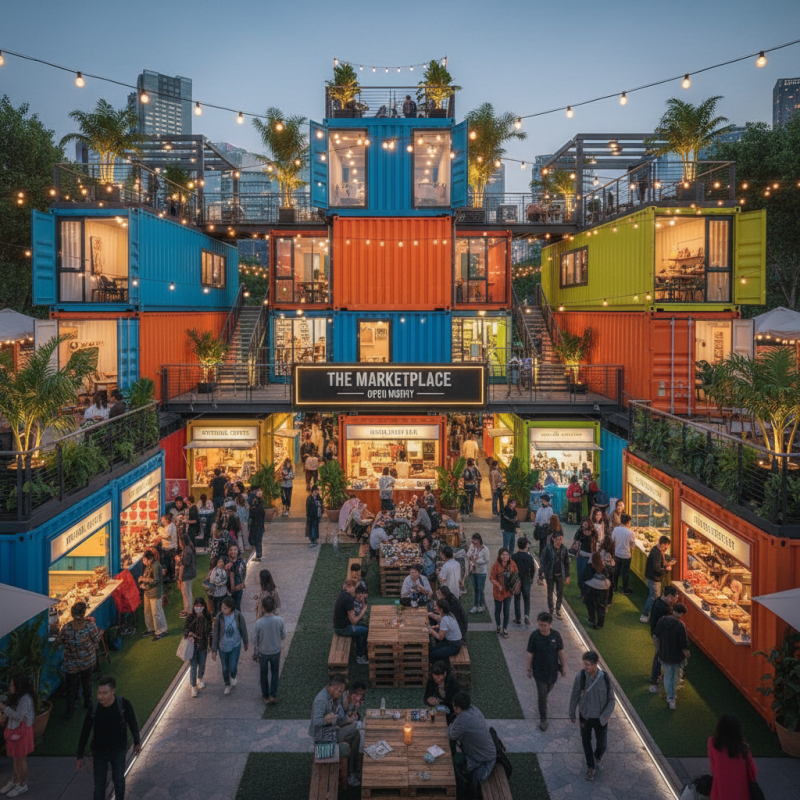
Shipping containers have rapidly evolved from mere transportation vessels into innovative retail spaces that redefine shopping experiences. Businesses are increasingly using these modular structures to create unique storefronts that stand out in crowded urban environments. Their durability, cost-effectiveness, and modularity allow retailers to customize their spaces creatively, catering to varied customer preferences. By repurposing shipping containers, companies can establish pop-up shops, seasonal markets, or even permanent locations in unexpected areas, providing flexibility and mobility that traditional retail spaces often lack.
The use of shipping containers in retail also fosters a sense of community engagement and sustainability. These containers can be easily transformed into communal spaces, where customers can enjoy local products while socializing. This not only supports local businesses but also promotes a vibrant culture within the neighborhood. Moreover, many retailers are incorporating eco-friendly practices, such as green roofs and solar panels, into these container designs, appealing to environmentally conscious consumers. By redefining the retail landscape, shipping containers are paving the way for innovative business solutions that resonate with modern shoppers.
Eco-Friendly Initiatives: Creating Urban Farms with Shipping Containers
Urban farming is gaining traction as cities worldwide seek sustainable solutions to food production challenges. One innovative approach is the use of repurposed shipping containers as urban farms. These containers provide versatile, controlled environments suitable for growing crops in limited urban spaces. According to a report by the National Renewable Energy Laboratory, urban agriculture can significantly reduce transportation emissions associated with food delivery while ensuring fresh produce is available locally.
Shipping containers can be equipped with advanced hydroponic systems, enabling year-round planting and harvesting. The ability to stack and place these containers strategically in city landscapes maximizes land use efficiency. The United Nations estimates that by 2050, two-thirds of the world’s population will live in urban areas, highlighting the pressing need for sustainable food sources. Shipping container farms can consume up to 90% less water than traditional farming methods, representing a crucial solution in water-scarce urban environments.
Moreover, these eco-friendly initiatives can also educate urban dwellers about sustainable practices and food systems. By turning shipping containers into fully operational farms, cities can foster community engagement and awareness around food production. Research indicates that locally grown food is not only fresher but also packs more nutrients, as it can be harvested at peak ripeness. Thus, shipping container urban farms are redefining how cities can approach food security and environmental sustainability.
Versatile Event Venues: Shipping Containers as Pop-Up Locations
In recent years, shipping containers have emerged as a flexible solution for event venues. These versatile structures can be transformed into pop-up locations, providing unique spaces for festivals, markets, exhibitions, and more. According to a report by the Container Shipping Lines Association, over 90% of global trade is conducted through shipping containers, showcasing their prevalence and adaptability for various uses. Their mobility and modular design allow for rapid setup and teardown, making them ideal for temporary events.
When considering shipping containers for event venues, it is essential to keep a few tips in mind. First, ensure that your chosen site allows for container placement, as zoning regulations vary widely. Additionally, consider logistics such as power and water supply, which may require additional planning to ensure a smooth operation during the event. Lastly, focus on design aesthetics; with a bit of creativity, containers can be painted, decorated, and integrated with lighting, creating an inviting atmosphere for guests.
Moreover, using shipping containers can significantly reduce costs compared to traditional event spaces. A study by the Event Industry Council noted that venue flexibility can decrease overheads by up to 30%. By taking advantage of the modularity, organizers can easily adapt the space to accommodate different layouts and activities, enhancing attendee experiences while promoting sustainability through reuse. This innovative approach not only addresses event planning challenges but also opens doors to creative possibilities in venue design.
Mobile Offices and Studios: The Functional Use of Shipping Containers
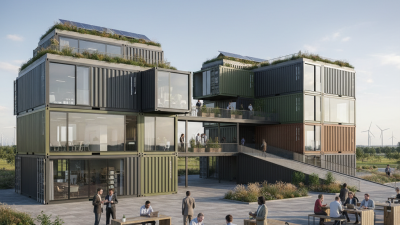
Shipping containers have gained popularity not only for transporting goods but also for transforming spaces. One of the most innovative uses of shipping containers is their conversion into mobile offices and studios. These repurposed containers offer a functional, adaptable, and cost-effective solution for professionals in various industries. With the ability to be customized for specific needs, these mobile offices can serve as creative studios, remote workspaces, or administrative hubs.
When considering a shipping container as an office or studio, it’s essential to prioritize insulation and ventilation. This will ensure a comfortable working environment, especially during extreme weather conditions. Additionally, incorporating large windows can enhance natural light, promoting a more pleasant and productive atmosphere.
Furthermore, think about the layout and necessary furnishings to optimize your space. Using modular furniture can help maintain flexibility, allowing you to rearrange the setup according to your tasks. Make sure to also consider portability; if you need to relocate, designing your space with mobility in mind will save you time and effort in the long run. Embracing a shipping container for mobile office or studio use not only reflects creativity but also supports sustainable practices by repurposing existing structures.