How to Use Shipping Containers for Creative and Sustainable Living Solutions
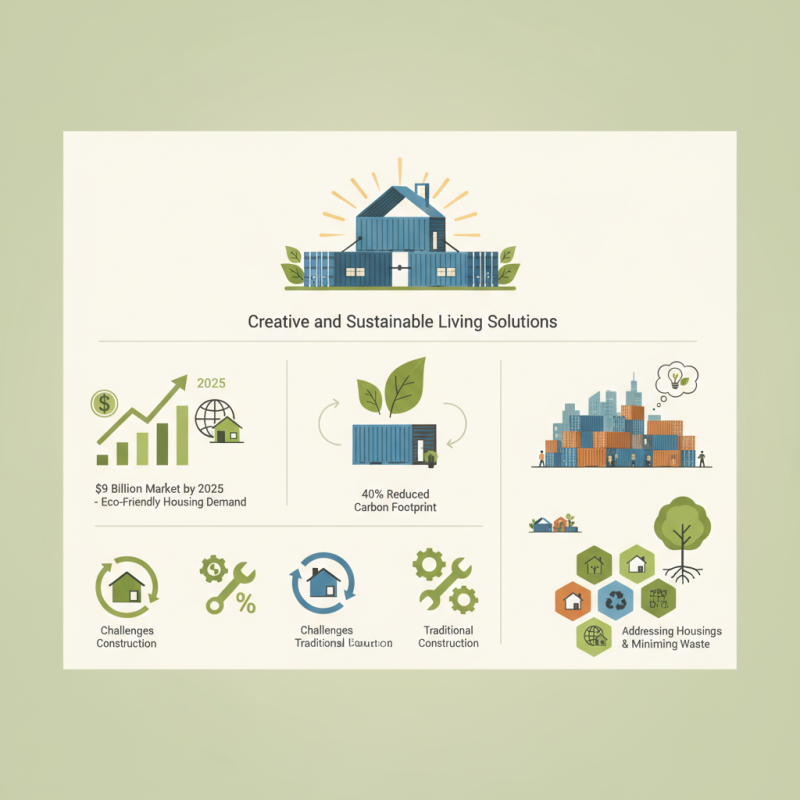
In recent years, the shipping container world has increasingly emerged as a viable solution for innovative and sustainable living options. According to a 2020 report by Mordor Intelligence, the global shipping container market is expected to reach $9 billion by 2025, primarily driven by the rising demand for eco-friendly housing alternatives. This shift highlights the potential of repurposing shipping containers not just as storage units, but as practical living spaces that can alleviate urban housing shortages and promote sustainable living practices.
The versatility of shipping containers allows them to be transformed into unique homes, offices, and community spaces, thereby challenging traditional construction methods. A study by the U.S. Green Building Council indicates that repurposing materials like shipping containers can reduce the carbon footprint of building projects by up to 40%. As more individuals and communities gravitate towards sustainable living solutions, the shipping container world offers remarkable opportunities that align with modern environmental concerns and resource management.
As urban populations continue to grow and the need for affordable housing intensifies, utilizing shipping containers presents an innovative pathway forward. This not only addresses housing shortages but also advocates for sustainability by minimizing waste and optimizing existing resources. Thus, exploring the creativity and practicality of shipping container living can pave the way for a more environmentally conscious future.
Understanding Shipping Containers as Sustainable Living Solutions
Shipping containers have emerged as a versatile and sustainable solution for modern living. With over 30 million shipping containers in circulation globally, the potential for repurposing these structures into homes or community spaces is significant. According to the World Economic Forum, using shipping containers for construction can reduce waste by up to 90%, making it an eco-friendly alternative to traditional building materials. The steel used in containers is designed to withstand harsh conditions, which not only provides durability but also minimizes the need for frequent renovations or replacements.
In addition to their sustainability benefits, shipping containers offer flexibility in design and functionality. They can be stacked, arranged, and modified to create unique living spaces that cater to diverse lifestyles and needs. The Container Housing Report highlights that converting just one shipping container can result in a fully functional, stylish living unit at a fraction of the cost of conventional homes. Furthermore, these structures are often designed to be energy-efficient, with options for solar panels and rainwater collection systems, thus reducing their overall environmental footprint. By embracing shipping containers in urban planning and housing solutions, communities can create sustainable environments that enhance livability while promoting resource efficiency.
Exploring the Benefits of Shipping Containers for Creative Housing
The use of shipping containers as innovative housing solutions has gained substantial traction in recent years since they provide a versatile and sustainable alternative to traditional building methods. According to a report from the Container Housing Industry, container homes can cost up to 30% less than conventional homes, primarily due to reduced material and labor costs. This affordability makes them an appealing option, particularly for young families or individuals looking to enter the housing market without incurring massive debts.
Beyond cost savings, shipping containers also offer environmental benefits. Each container repurposed into a living space helps reduce waste, contributing to sustainability efforts. A report by the International Maritime Organization estimated that there are over 30 million unused shipping containers around the globe. By transforming these containers into housing, not only do we mitigate landfill overflow, but we also utilize a robust and durable material that can withstand harsh weather conditions, reducing the need for frequent repairs associated with traditional homes. Moreover, many container homes are designed to be energy-efficient, with features like solar panels and rainwater collection systems, further minimizing their ecological footprint and promoting a greener lifestyle.
Benefits of Using Shipping Containers for Housing
Designing Functional Spaces within Shipping Container Homes
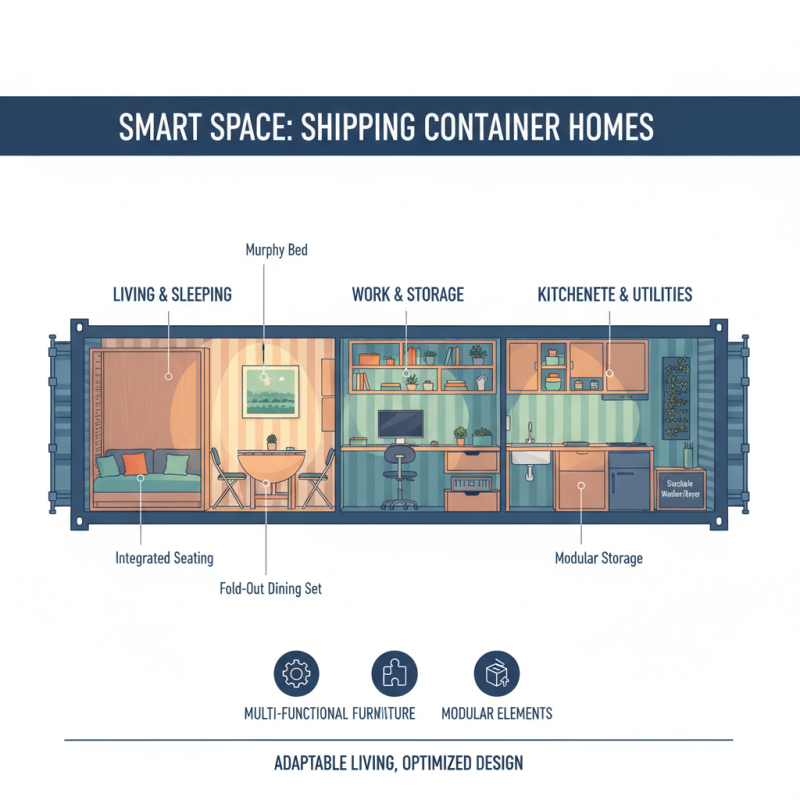
Designing functional spaces within shipping container homes requires creativity and an understanding of both the limitations and opportunities these structures present. The compact dimensions of shipping containers challenge conventional design principles, encouraging innovative layouts that maximize space efficiency. For instance, multi-functional furniture can play a pivotal role in this setting; items such as foldable tables, Murphy beds, and built-in storage solutions can transform a limited area into a versatile living environment. By choosing to incorporate modular elements, occupants can easily adapt their space according to their needs, fostering a dynamic way of living.
Moreover, the modular nature of shipping containers allows for unique spatial configurations. By strategically combining multiple containers, one can create distinct areas for different activities — a cozy living room, a functional kitchen, and even an office space, all interconnected yet well-defined. Large windows can be added to bring in natural light, enhancing the sense of openness despite the compact footprint. Additionally, using eco-friendly materials and sustainable practices during the design process not only promotes responsible living but also helps in achieving comfortable and aesthetically appealing spaces that resonate with the lifestyle choices of environmentally conscious individuals. This blend of sustainability and creativity makes container homes an attractive option for those seeking a unique and efficient living solution.
Incorporating Eco-Friendly Features in Container Living
Incorporating eco-friendly features into shipping container living not only enhances the sustainability of the space but also promotes a healthier lifestyle. One effective approach is to utilize renewable energy sources, such as solar panels, which can be installed on the roof of the container. These panels harness sunlight to provide electricity, significantly reducing reliance on traditional power grids and lowering carbon footprints. Additionally, integrating energy-efficient appliances helps to minimize energy consumption, further supporting eco-conscious living.
Another important aspect is water management. Rainwater harvesting systems can be implemented to collect and utilize rainwater for non-potable uses, like irrigation or toilet flushing. Installing greywater recycling systems allows for the reuse of water from sinks and showers, significantly conserving this vital resource. Furthermore, using environmentally friendly insulation materials, like recycled denim or sheep's wool, can enhance thermal efficiency, keeping the container comfortable year-round while reducing heating and cooling costs.
Finally, incorporating green roofs or vertical gardens can greatly improve air quality while providing natural insulation. These features not only contribute to the aesthetic appeal of the living space but also foster biodiversity by supporting local flora and fauna. By thoughtfully integrating these eco-friendly elements, shipping container homes can serve as a model for sustainable living, proving that creative solutions can harmonize with environmental responsibility.
How to Use Shipping Containers for Creative and Sustainable Living Solutions - Incorporating Eco-Friendly Features in Container Living
| Feature |
Description |
Benefits |
| Solar Panels |
Installation of solar panels on container roofs to harness renewable energy. |
Reduces electricity bills, promotes energy independence, and decreases carbon footprint. |
| Green Roofs |
Planting vegetation on top of shipping containers to improve insulation. |
Enhances biodiversity, reduces rainwater runoff, and mitigates heat absorption. |
| Rainwater Harvesting |
Collecting rainwater from the container roof for reuse. |
Provides a sustainable water source, reduces water bills, and helps in drought management. |
| Insulated Walls |
Using eco-friendly insulation materials within the container walls. |
Improves energy efficiency, maintains comfortable indoor temperatures, and reduces HVAC costs. |
| Composting Toilets |
Installing composting toilets that process waste naturally. |
Minimizes water usage and reduces sewage impact on the environment. |
Real-Life Examples of Innovative Shipping Container Projects
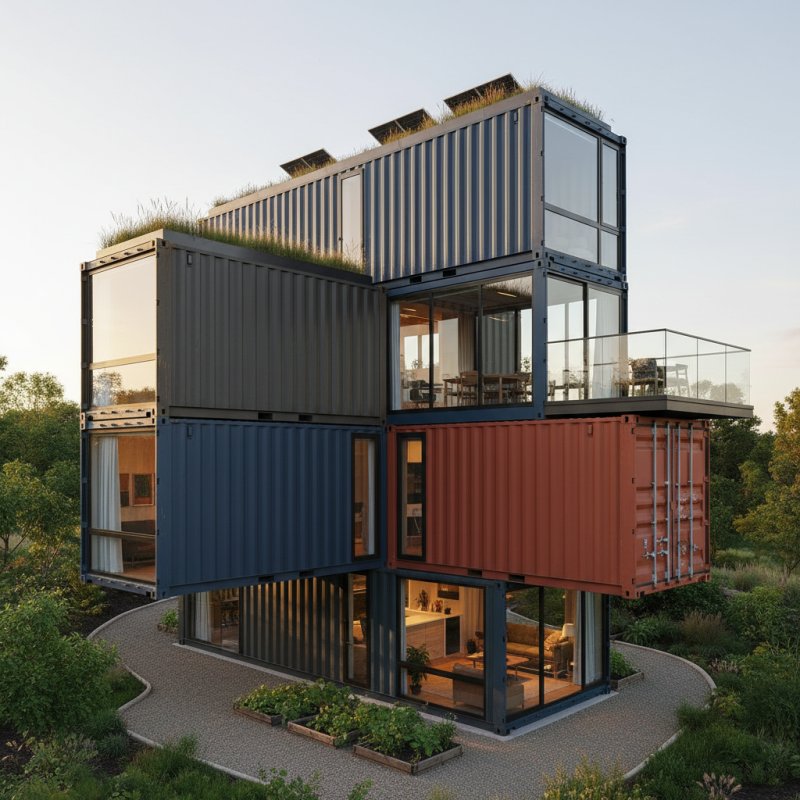
Shipping containers have emerged as a popular choice for those seeking unique and sustainable living solutions. Across the globe, innovative projects transforming these metal boxes into homes, offices, and community spaces are gaining traction. For example,  a stunning shipping container home in the heart of an urban area employs a combination of multi-story designs and green technology, utilizing solar panels and rainwater harvesting systems to reduce its ecological footprint while providing a contemporary living space.
Tips: When considering a shipping container project, it's essential to plan your layout thoughtfully. This could involve stacking containers for vertical space or arranging them in an L-shape to create outdoor living areas. Additionally, consider using insulated containers to enhance energy efficiency and maintain comfortable temperatures throughout the year.
Another inspiring example is the conversion of containers into pop-up community gardens, utilizing their mobility to bring green spaces to urban neighborhoods. These projects not only provide locally grown produce but also foster community engagement and collaboration among residents.

Tips: If you're thinking about starting a community-based container project, reach out to local organizations for support. Collaboratively design your garden space, allowing for participation from community members to enhance ownership and sustainability of the project.