Why Choose a Shipping Container Cafe for Your Business Success?
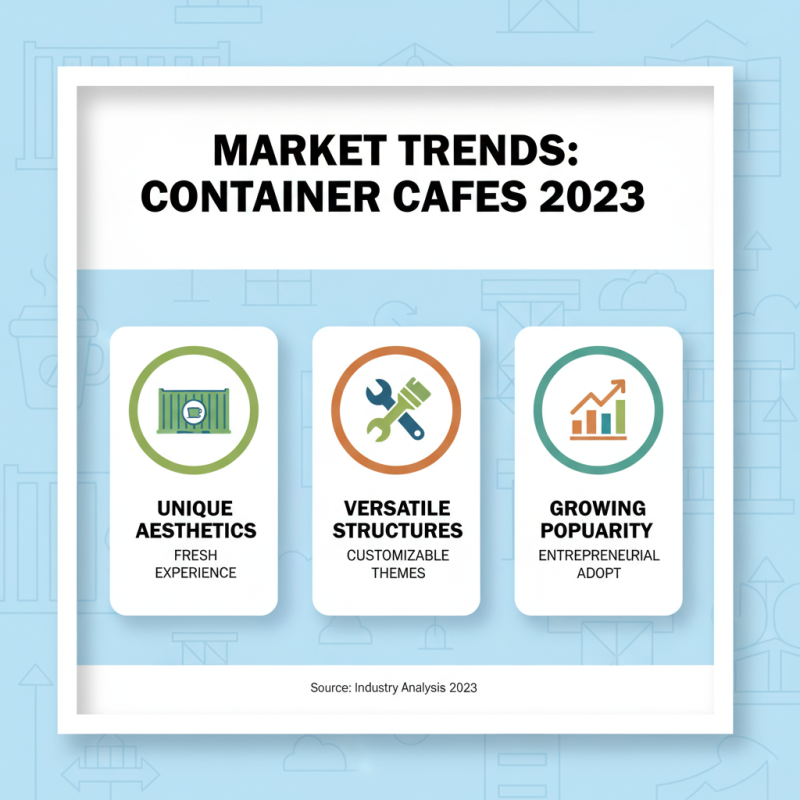
In recent years, the concept of a shipping container cafe has gained significant traction. Industry reports indicate that the global coffee market will reach $102.15 billion by 2026, showcasing a growing demand for innovative cafe experiences. Shipping containers offer a unique and functional solution for entrepreneurs looking to tap into this market. They are cost-effective, eco-friendly, and adaptable to various locations.
The use of shipping containers in the food and beverage industry is on the rise. A report from IBISWorld reveals that the food truck industry, which often utilizes similar concepts, generated $1 billion in revenue in the past year. Many find that a shipping container cafe not only reduces startup costs but also captures customer attention with its distinctive look.
However, operating a shipping container cafe is not without challenges. Factors such as zoning laws, supply chain management, and competition can complicate the business landscape. Entrepreneurs must reflect on these issues while leveraging the benefits of this model. Balancing creativity and practicality is crucial for long-term success.
Benefits of Shipping Container Cafes in Urban Environments
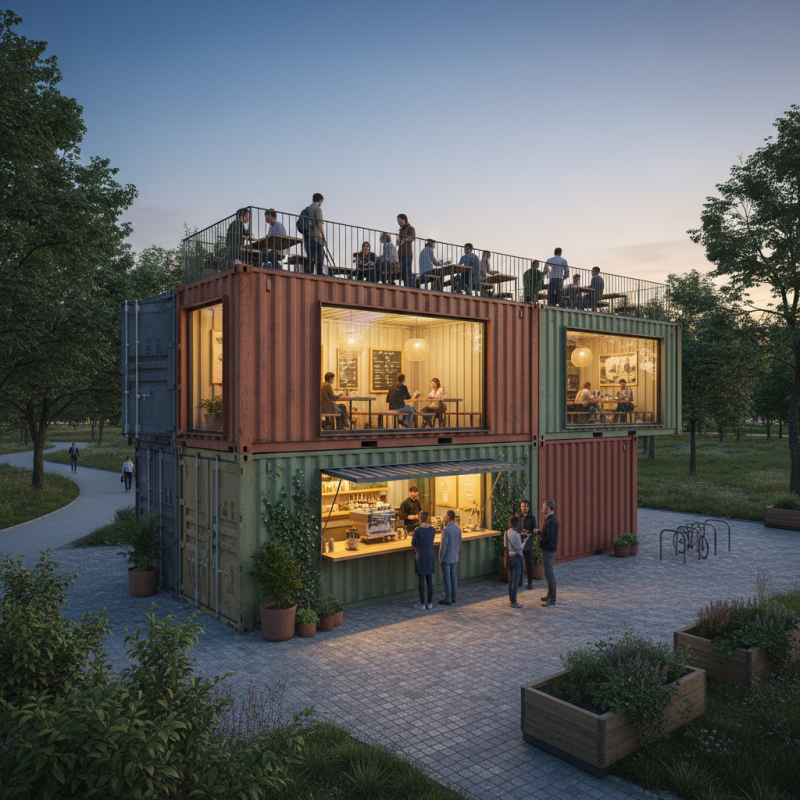
Shipping container cafes present unique benefits in urban settings. These portable structures allow entrepreneurs to bypass expensive real estate costs. A modest container can be transformed into an inviting cafe space. Urban areas benefit from this approach as it revitalizes unused areas. A well-placed container can attract foot traffic and create community interaction.
Space is a major concern for city dwellers. Shipping container cafes utilize smaller footprints efficiently. They can be placed in parks, parking lots, or on underutilized street corners. This flexibility allows for easy relocation. However, selecting the right location requires careful planning. It impacts visibility and accessibility. Ensure you assess local zoning laws before setting up.
For any aspiring cafe owner, consider these tips. First, focus on design; visibility matters. Use vibrant colors and engaging signage to draw customers in. Secondly, consider outdoor seating. It enhances customer experience but requires maintenance. Regularly check for wear and tear. Your cafe should speak to the local community's needs, fostering a sense of belonging.
Cost-Effectiveness Compared to Traditional Cafe Construction
Opting for a shipping container cafe can significantly enhance your business's cost-effectiveness. Traditional cafe construction often involves extensive expenses. According to a report from the National Restaurant Association, the average cost of opening a traditional cafe ranges from $100,000 to $450,000, not including ongoing operational costs. In contrast, a shipping container cafe may cost as low as $10,000 to $50,000. This alternative significantly lowers the financial barrier to entry for aspiring cafe owners.
Operating a shipping container cafe also presents unique advantages. Construction time is drastically reduced. Generally, traditional builds take several months to complete. Shipping container cafes can be ready for business in a matter of weeks. This quick setup allows for faster revenue generation. Additionally, shipping containers are durable and often require less maintenance. Still, they come with their own set of challenges, such as insulation and plumbing that need careful planning.
Moreover, research from the U.S. Environmental Protection Agency indicates that eco-friendly designs are increasingly favored by consumers. Shipping container cafes, often built with sustainable practices, can attract a growing customer base focused on environmental responsibility. However, operators must ensure they meet local building codes and regulations, as this can be an unexpected hurdle. The financial benefits are clear, but potential owners should carefully weigh these considerations.
Why Choose a Shipping Container Cafe for Your Business Success? - Cost-Effectiveness Compared to Traditional Cafe Construction
| Aspect |
Shipping Container Cafe |
Traditional Cafe |
| Initial Investment |
$30,000 - $80,000 |
$250,000 - $500,000 |
| Construction Time |
4 - 12 weeks |
6 - 12 months |
| Operating Costs |
Lower (thanks to energy efficiency) |
Higher (traditional utilities) |
| Flexibility and Mobility |
Highly mobile and customizable |
Less mobile, fixed structure |
| Sustainability |
Recycled materials, eco-friendly |
Higher carbon footprint |
Flexibility and Mobility: Key Features of Container Cafes
Shipping container cafes are gaining popularity for their unique design and flexible nature. These cafes can be relocated, adjusted, or reconfigured based on demand and location. According to a report from the Container Housing Association, 15% of cafes reported increased foot traffic when moved to high-demand areas. Mobility allows business owners to adapt quickly to changing market conditions.
These container cafes are often less expensive to set up. A study by the Urban Institute noted that startup costs can be reduced by as much as 30%. Their modular design also means that expansions can occur without significant downtime. This flexibility in operations can lead to sustained profitability. However, the challenge lies in finding the right locations consistently.
Customer preferences are increasingly leaning towards sustainability. A survey by Green Business Network revealed that 67% of consumers prefer businesses that use eco-friendly practices. Shipping container cafes often promote this value. However, some owners face difficulties in sourcing materials that align with sustainable practices. More reflection on these challenges can lead to better models for the future.
Reasons to Choose a Shipping Container Cafe
This chart highlights the key features that make shipping container cafes a growing trend in the business world. The importance rating assigned to each feature showcases why they are beneficial for entrepreneurs looking to establish a flexible and innovative cafe concept.
Sustainable Practices in Shipping Container Cafes and Their Impact
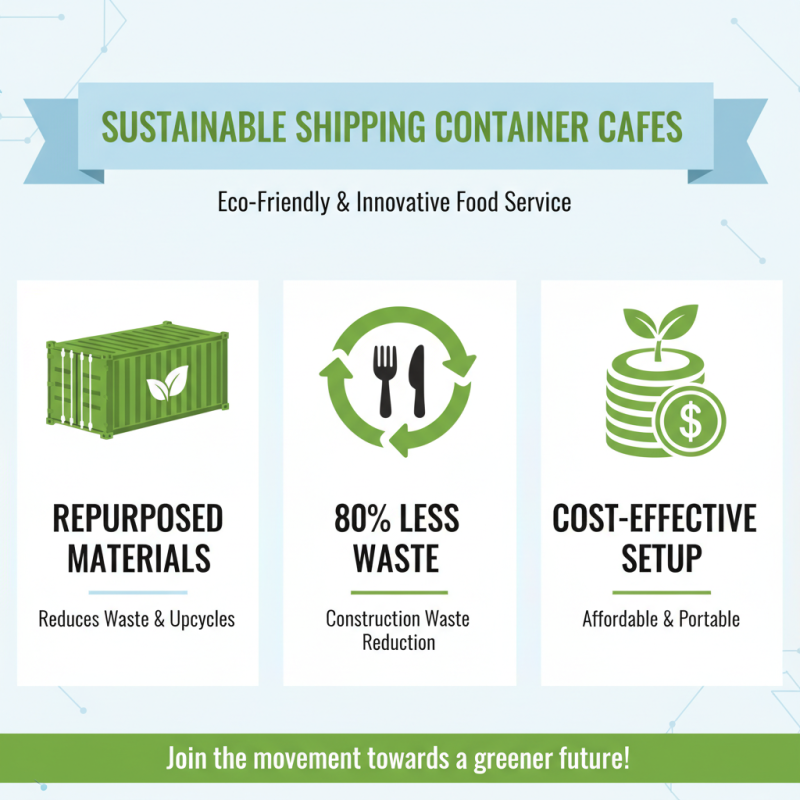
Shipping container cafes represent a growing trend in the food and beverage industry. They offer a unique, portable solution that aligns with sustainable practices. These cafes utilize repurposed materials, reducing waste while providing cost-effective setups. According to a recent report from the Food Service Technology Center, cafes using shipping containers reduce their construction waste by up to 80%. This significant figure highlights the potential impact on sustainability.
Moreover, shipping container cafes often have lower energy costs compared to traditional buildings. Their size makes them easier to heat and cool. A study by the U.S. Department of Energy revealed that smaller structures can consume up to 50% less energy than larger establishments. This presents an opportunity for business owners to save money while contributing to environmental conservation.
The design flexibility of shipping container cafes can also lead to innovative solutions. Owners can integrate solar panels or green roofs, enhancing energy efficiency. However, challenges persist. For instance, local zoning laws can restrict where these cafes can operate. Knowledge of these regulations is essential for success. Understanding how to navigate these hurdles can make a significant difference in establishing a thriving shipping container cafe business.