

Why Choose an Electric Trike Scooter for Your Business?
Why Choose an Electric Trike Scooter for Your Business?
An Electric Trike Scooter can turn short-distance delivery into a quieter, more visible service. It carries groceries, tools, parcels, or promotional materials without requiring a full-size van. The three-wheel design also gives operators a broader, steadier platform during frequent stops. That matters outside cafés, campuses, warehouses, and residential communities.
Ed Benjamin, a recognized electric mobility consultant, states, “The best electric vehicle is the one that fits the journey, the rider, and the work.” His point is practical. A business should examine payload, range, charging time, storage space, and terrain before purchasing. A model that performs well on smooth pavement may struggle on steep streets or uneven loading areas. Small details matter. A low step-through frame can reduce rider fatigue. A lockable rear box can protect deliveries during brief stops. A visible lighting system can improve awareness in busy areas.
The financial argument can be attractive, but it should not be exaggerated. Fuel savings and simpler maintenance may support lower operating costs. Battery replacement, insurance, staff training, and secure charging still require planning. That is the part many buyers overlook. A pilot program with one Electric Trike Scooter can reveal real-world weaknesses before a larger investment. Track delivery time, battery use, rider comfort, and repair frequency. Then adjust the plan.
This is not a perfect solution. Weather, hills, theft risks, and limited cargo capacity can reduce its usefulness. Yet, for predictable local routes, the Electric Trike Scooter offers a practical balance between mobility, operating efficiency, and customer visibility.
What Is an Electric Trike Scooter?
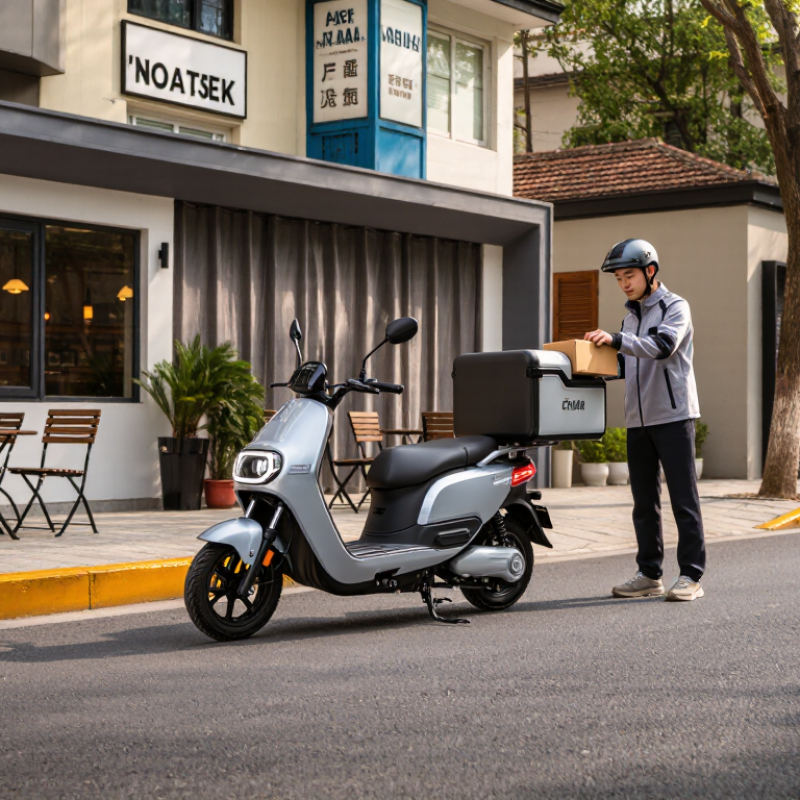
An electric trike scooter is a three-wheeled vehicle powered by a rechargeable battery and electric motor. Its two rear wheels, or two front wheels, provide extra balance compared with a standard scooter. A handlebar controls steering, acceleration, and braking. Many models include a flat cargo platform, lockable box, or small passenger seat.
For business use, this design can support short-distance deliveries, site inspections, and movement around warehouses or campuses. The low step-through frame helps workers mount quickly. Wide tires can feel steadier on uneven pavement, while a controlled speed supports safer operation in crowded areas. Battery range depends on load, terrain, weather, and riding habits. It is not unlimited.
In practical fleet use, daily charging and tire checks matter more than impressive specifications. Staff should inspect brakes, lights, steering, and cargo restraints before each shift. Local traffic rules may require specific equipment, age limits, or operating areas, so managers should verify them before purchase. The vehicle may reduce fuel use, but it still needs maintenance and secure storage. A heavy load can change braking distance noticeably. That detail is easy to underestimate. A short trial route with real cargo often reveals problems that a showroom test cannot.
Why Choose an Electric Trike Scooter for Your Business? - What Is an Electric Trike Scooter?
| Business Consideration | What It Means | Why It Matters to a Business |
|---|---|---|
| What is an electric trike scooter? | A three-wheeled vehicle that combines an electric motor and rechargeable battery with a scooter-style riding position. Designs vary and may include a seat, cargo area, or enclosed cabin. | The three-wheel layout and electric assistance can suit businesses that need a compact vehicle for local travel or light-duty transport. |
| Vehicle configuration | Some models have two wheels at the front and one at the rear; others have one front wheel and two rear wheels. Cargo and passenger configurations are also available. | Choose a layout based on the intended load, route, parking space, and handling requirements. A trike is not automatically more stable in every situation; turning and riding technique matter. |
| Local delivery and site transport | Depending on its design and rated capacity, a trike may carry a rider and a modest cargo load over short trips. | It may be useful for campuses, resorts, warehouses, or neighborhood deliveries where a full-size vehicle is unnecessary. Confirm payload limits and cargo restraints before use. |
| Electric assistance | A battery supplies energy to an electric motor. Depending on the model, the motor may assist pedaling or propel the vehicle using a throttle. | Electric assistance can reduce the physical effort required for repeated trips, but the vehicle still needs routine charging and battery care. |
| Operating range | Distance per charge depends on factors such as battery capacity, load, terrain, speed, temperature, tire pressure, and riding style. | Plan routes using the manufacturer's range guidance and allow a reserve. Real-world range can differ from advertised test results. |
| Running costs and charging | Charging uses electricity, while ownership also involves tires, brakes, battery upkeep, inspections, and other maintenance. | Compare total operating costs with the business's current transport options. Costs vary with electricity rates, usage, local service availability, and replacement parts. |
| Safety and training | Braking, cornering, visibility, load distribution, and rider protection vary by vehicle design and operating conditions. | Provide rider training, inspect brakes and tires, secure cargo, and use appropriate protective equipment. Avoid overloading and follow the vehicle manual. |
| Regulations and access | Vehicle classification, permitted roads, speed limits, licensing, helmet rules, and insurance requirements differ by location and vehicle specification. | Check local requirements and property rules before purchase or deployment; do not assume that every electric trike can use the same routes. |
| Best-fit business profile | Businesses with short, repeatable routes, suitable charging access, and loads within the vehicle's rated limits may find a trike practical. | Assess route distance, gradients, weather exposure, cargo volume, storage, charging time, and downtime needs before deciding whether it fits your operations. |
Specifications and legal requirements vary by model and location. Verify vehicle ratings and local rules before purchase or commercial use.