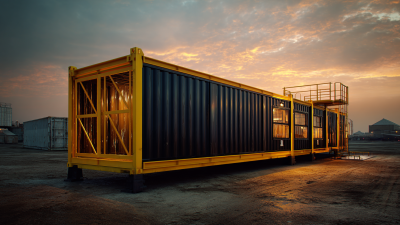
Why Choose a Shipping Container Cafe for Your Business?
With the growing trend of innovative business concepts, a shipping container cafe is becoming an increasingly popular choice for entrepreneurs. This unique establishment not only offers a distinct aesthetic but also provides practical advantages over traditional cafes. Imagine transforming a simple shipping container into a vibrant hub where customers can enjoy coffee, snacks, and community vibes.
The versatility of a shipping container cafe attracts many business owners. These containers can be repurposed in various locations, from urban centers to beachside retreats. They require less capital to set up, allowing entrepreneurs to allocate resources to quality ingredients and great service. However, it is essential to consider challenges such as limited space and permits in certain areas.
A shipping container cafe can stand out if executed thoughtfully. Many successful cafes have embraced this model to create unique customer experiences, blending sustainability with functionality. Yet, careful planning is necessary. The design, layout, and operational aspects must align to overcome potential pitfalls. Addressing these factors can lead to a flourishing business that resonates with customers and builds loyalty.
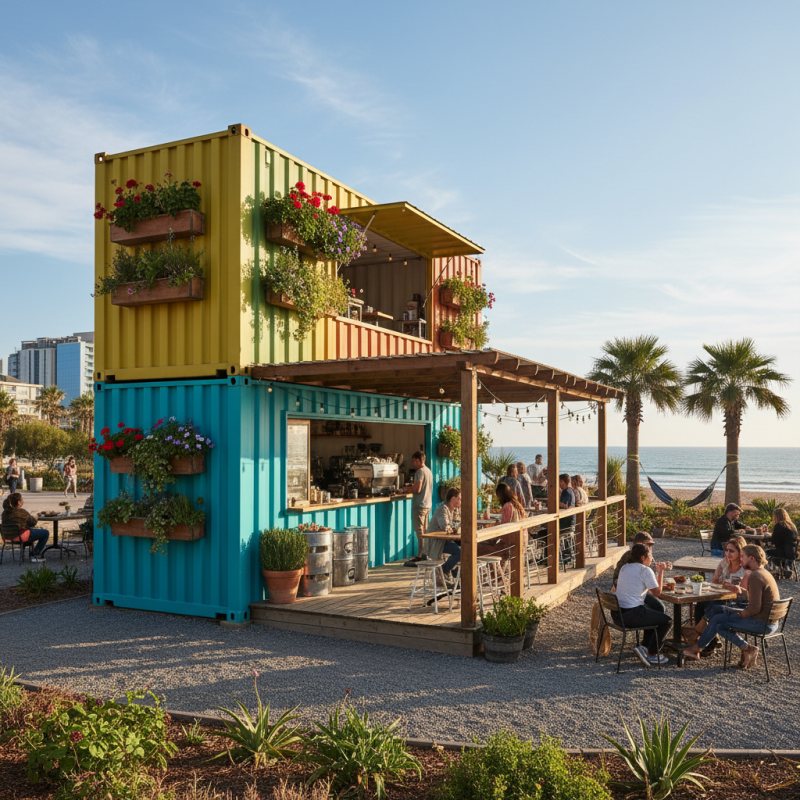
Benefits of Using Shipping Containers for Cafes
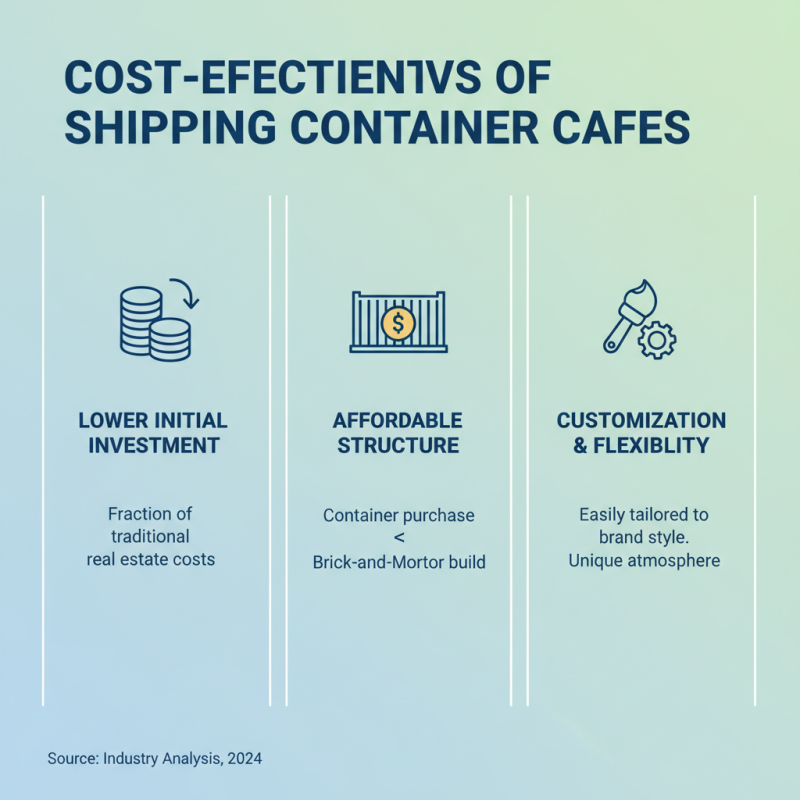
Using shipping containers for cafes offers numerous benefits. These structures are affordable and durable. Research by the Container Housing Design Studio indicates that building a traditional cafe can cost up to 50% more than using a shipping container. This significant reduction in initial investment allows owners to allocate funds to other areas, like innovative menus or marketing strategies.
Shipping containers are eco-friendly. They reuse materials that would otherwise contribute to landfill waste. According to a report by the United Nations, the shipping industry generates over 150 million tons of waste annually. By opting for containers, cafe owners actively participate in sustainability efforts, appealing to environmentally-conscious customers.
Tips: Choose a location with foot traffic. This increases visibility and customer visits. Consider adding outdoor seating to enhance the ambiance. Also, regularly assess the condition of the container. This ensures safety and longevity. Reflecting on these aspects can help owners avoid costly repairs later.
Design and Customization Options for Container Cafes
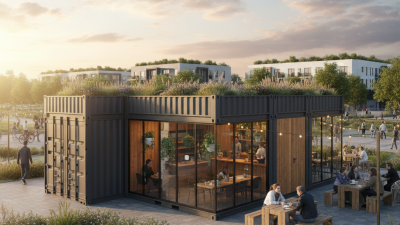
Shipping container cafes are becoming increasingly popular. Their design and customization options set them apart from traditional cafes. The modular nature of shipping containers allows for unique layouts. You can easily create a space that fits your brand's identity. Adding large windows can invite in natural light and enhance the customer experience.
Color choices are limitless. Bright hues can attract attention, while muted tones can provide a cozy vibe. Some owners opt for graffiti-style art or murals. This adds a personal touch and can reflect the local culture.
Interior elements also offer customization. Consider rustic wooden counters or modern steel finishes to suit your desired ambiance.
However, the customization process is not without challenges. It requires careful planning and budgeting. Unique designs can lead to unexpected costs. Also, compliance with local zoning laws may complicate your vision. It's essential to weigh creativity against practicality. Be prepared to adapt your designs as needed. Your shipping container cafe can be both an innovative and inviting space.
Sustainability and Eco-Friendliness of Shipping Container Cafes
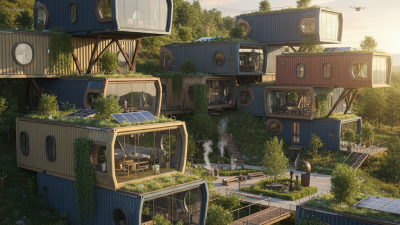
Shipping container cafes are revolutionizing the food and beverage industry. They offer a sustainable, eco-friendly alternative to traditional cafes. One key benefit is their reduced environmental impact. Shipping containers are often repurposed materials, which minimizes waste. Using them reduces the need for new construction. This practice helps conserve natural resources.
One aspect to consider is energy efficiency. Many container cafes utilize solar power. This can significantly lower energy costs. Opting for green technologies, like efficient insulation, is also wise. These features can reduce both carbon footprint and operational expenses.
**Tip:** When planning your cafe, think about using upcycled materials for furniture. This further enhances sustainability.
It's important to acknowledge that there can be challenges. Limited space in containers may require innovative design solutions. Consider how outdoor seating can expand your offerings, creating a cozy atmosphere. Awareness of local regulations regarding permits is crucial, too. Not every locale is container-friendly, and local laws can be intricate.
**Tip:** Engage with clients and gather their feedback to refine your concept. Listening to them fosters loyalty and improvement.
Mobility and Flexibility of Shipping Container Cafe Locations
The mobility and flexibility of shipping container cafes create unique business opportunities. A study by the National Institute of Standards and Technology suggests that mobile businesses have grown by 30% in recent years. This trend highlights how adaptable these cafes can be, appealing to a diverse clientele across different locations.
Shipping containers can be relocated easily. This allows owners to respond quickly to market trends. For instance, moving a cafe to a bustling area can increase foot traffic significantly. A report from the Small Business Administration indicates that mobile food vendors see an average increase in customer engagement by 40% when they change locations frequently. However, this constant movement also requires careful planning and logistics.
Operating in various environments presents challenges. Each site comes with its own set of regulations and customer preferences. Owners must adapt their offerings to meet local demands. Flexibility also means potential disruptions. Weather and seasonal changes can affect daily operations. It's essential to have contingency plans in place.
Advantages of Using Shipping Container Cafes