
Choosing the best shipping cargo containers in 2026 takes more than comparing prices. Buyers need to match container type, condition, and capacity to the cargo and route. A standard dry container may suit boxed goods, while temperature-sensitive products require properly specified refrigerated equipment. The details matter: check door seals, floor condition, ventilation, and the container’s inspection records. Small defects can become expensive delays.
Shipping analyst Lars Jensen’s market commentary points to a useful buyer principle, paraphrased here: “Equipment choices should reflect real network conditions, not just the quoted price.” That distinction matters when availability, repositioning, and delivery schedules shift. A low purchase price may look attractive on a spreadsheet. Then the container arrives late, or its condition falls short. Not ideal.
This guide compares common container types, new and used options, and practical buying considerations for global buyers. It also examines total cost, supplier checks, delivery planning, and questions to ask before placing an order. Specifications and service terms vary, so readers should verify them with the supplier and relevant inspection documents. No single container fits every shipment. The best choice is the one that meets the cargo’s needs and works reliably across the planned journey.

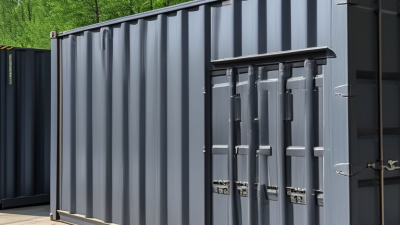
Shipping cargo containers are reusable steel enclosures built to protect freight during sea, rail, and road transport. They are more than metal boxes. A typical unit has a load-bearing steel frame, corrugated side panels, a roof, and double doors at one end. The frame carries stacking loads, while the panels help resist weather and everyday handling. Sizes and features vary, so buyers should check the unit’s specifications rather than rely on appearance alone.
Construction begins with steel components cut and welded into the frame. Corrugated panels are attached to the sides and roof, and the door assembly is fitted with hinges, locking bars, and rubber seals. The floor is commonly made from treated plywood secured to steel cross-members. Coatings help protect exposed metal from corrosion, but scratches and damaged welds still need attention. Small details matter.
A practical inspection should include the door seals, floor, corners, and underside. Look for soft floorboards, standing water, heavy rust, or doors that bind when opened. Even a clean-looking container can hide damage beneath its floor or around a corner casting. I would not treat a fresh coat of paint as proof of sound condition. That assumption is easy to make, and sometimes wrong. Ask for clear dimensions, condition records, and photographs of areas that are difficult to inspect in person.

A standard dry container suits boxed goods, furniture, and palletized freight that needs weather protection. For bulky but lightweight cargo, a high-cube unit adds about one foot of internal height. Measure the cargo, pallets, and loading equipment together; door clearance can become the surprise. Small detail.
UNCTAD’s Review of Maritime Transport 2024 reported 858.9 million TEU in global container-port throughput for 2023, showing the scale of containerized trade. That figure describes port activity, not the availability of any particular container type.
Refrigerated containers fit temperature-sensitive cargo, but they maintain conditions rather than rapidly chill warm goods. Check the required temperature range, airflow, and power supply before booking. Open-top containers help load tall machinery from above, while flat racks suit wide or unusually shaped freight that cannot fit within standard walls.
Tank containers are designed for bulk liquids; confirm product compatibility and cleanliness requirements with qualified cargo specialists. Fit matters most. Inspect the container’s floor, doors, seals, and structural condition before loading.
A low purchase or rental price can be misleading if repairs, handling, or loading constraints add costs later. The right choice depends on the cargo’s dimensions, weight, handling method, and route.
Choosing a shipping cargo container starts with its intended load and route. Common 20-foot and 40-foot units suit different cargo volumes, but outside length is only part of the decision. Check internal dimensions, door opening, maximum payload, and local handling limits against your actual goods. A pallet that fits on paper may still be difficult to load through the doorway. Measure twice.
Material affects weight, durability, and upkeep. Steel containers are widely used and sturdy, while aluminum units can weigh less but may cost more. Compare the floor, roof, corner fittings, and door seals—not just the exterior panels. For used units, inspect for deep corrosion, light entering through holes, soft floor areas, and doors that bind. A few scratches are usually cosmetic; hidden damage is not. Condition labels can vary, so ask for recent photos and a written inspection record. Even then, photos cannot reveal everything.
Tips: Match container dimensions to your loading equipment and storage space. Confirm payload and tare weight from the unit’s data plate or reliable records. Check that doors close evenly and seals sit flat. If a seller’s description feels vague, pause and request specifics. That extra step may seem fussy, but replacement delays are worse.
Choosing a shipping container starts with standards, not appearance. For international freight, confirm that its dimensions match recognized ISO specifications and the carrier’s booking requirements. A standard dry container may fit common handling equipment, yet door height, internal width, and payload can vary by unit. Check its identification plate for maximum gross mass, tare mass, and permitted payload. Small details matter. A mismatch between cargo weight and the container’s rating can disrupt loading or create unsafe handling conditions. Where required, verify the unit’s CSC safety approval and inspection status before dispatch.
Compatibility continues beyond the terminal. Confirm that the container suits the planned vessel, rail wagon, and road chassis. Check weight limits and lashing arrangements for each leg. Inspect corner castings, locking bars, door seals, floorboards, and roof seams; dents alone do not reveal every problem. Look for water stains, fresh patches, or soft floor areas, especially when cargo needs a dry interior. This check is not perfect. Records and photographs help document condition, but they cannot replace a physical inspection. Ask the carrier or a qualified inspector about route-specific acceptance rules; equipment accepted on one service may be refused on another. Measure twice. Before loading, check the widest pallet and leave enough clearance for the doors to close securely.
Typical internal volume by container type—a practical comparison for estimating cargo space.
Global standards and safety: Internal volumes are approximate and vary by manufacturer and unit. Before shipping, verify the unit’s dimensions against applicable ISO 668 requirements, check its CSC safety-approval plate and maximum gross mass, and confirm acceptance with the carrier and route.
Choosing a cargo container supplier in 2026 means checking more than the quoted price. Match the container type and condition to your cargo, route, and handling needs. Ask for exact dimensions, clear photographs, and a written condition report. Small details matter. Check door seals, floor wear, and visible corrosion, especially on used units. Request inspection records and confirm that the container’s safety plate is present and readable.
Delivery planning should begin before payment. Ask where the container will be released, how it will reach your site, and whether unloading equipment is included. Confirm the delivery window, access-road limits, ground conditions, and space for a truck to turn. A narrow gate can delay an otherwise simple delivery. Get transport, handling, and storage charges itemized, and ask what happens if the schedule changes.
Keep key details in writing, including the container number, condition, delivery address, and agreed dates. Check that the supplier can provide updates during transit, not just a dispatch notice. Even careful buyers can overlook site access; I would measure the entrance twice. The plan may still need adjustment. Leave room for weather or port delays, and avoid relying on a single promised arrival date.
Use this comparison as a planning guide. Dimensions and weights are typical reference figures; the container’s data plate, condition, route rules, and carrier requirements determine what can actually be loaded and shipped.
| Category | Option or checkpoint | Typical specifications or considerations | Buyer action for 2026 |
|---|---|---|---|
| Container type | 20-foot standard dry | Typical external dimensions: 6.06 × 2.44 × 2.59 m. Internal dimensions are approximately 5.90 × 2.35 × 2.39 m, with about 33 m³ of internal volume. | Consider for dense cargo, smaller shipments, or destinations where road weight limits make a larger container impractical. |
| Container type | 40-foot standard dry | Typical external dimensions: 12.19 × 2.44 × 2.59 m. Internal dimensions are approximately 12.03 × 2.35 × 2.39 m, with about 68 m³ of internal volume. | Compare the usable floor area and total shipment weight with a 20-foot unit; volume alone does not determine the best choice. |
| Container type | 40-foot high-cube dry | Typically has the same external length and width as a standard 40-foot unit, but is about 2.90 m high. Internal volume is approximately 76 m³. | Choose when cargo is bulky or tall. Confirm door opening height and destination road-clearance limits before booking. |
| Container type | Refrigerated container | Insulated unit with powered refrigeration. Usable internal space is smaller than in a comparable dry container; operating temperature range and power needs depend on the unit. | Confirm the required temperature, ventilation, pre-trip inspection status, power availability, monitoring, and handling arrangements at both ends. |
| Container type | Open-top or flat-rack container | Designed for cargo that cannot be loaded through standard doors or that exceeds normal container dimensions. Availability and loading rules vary by route. | Provide cargo dimensions, weight, lifting points, and loading method before requesting a booking and transport plan. |
| Capacity | Payload and gross weight | Permitted payload is not the same for every container. As a reference, many dry units have a maximum gross mass around 30,480 kg, but tare weight and approved limits vary. | Check the container’s CSC safety approval plate and the carrier’s booking limits. Also verify road, bridge, and axle-weight rules for the full route. |
| Condition | New, used, or cargo-worthy | “New” and “used” describe condition or service history; “cargo-worthy” is not a universal guarantee of suitability for every cargo or voyage. | Request recent photographs, a written condition report, door and seal checks, floor inspection, and confirmation that the unit is acceptable for the intended service. |
| Compliance | Safety approval and identification | Internationally transported containers generally require a valid Convention for Safe Containers (CSC) safety approval plate. The plate includes inspection or examination information. | Ask for clear plate photographs and confirm the approval remains valid for the planned shipment. Check any additional requirements imposed by the carrier or destination. |
| Supplier review | Specification and availability | A quote should identify container size, type, condition, quantity, origin, delivery point, availability window, and whether the unit is for purchase or shipment use. | Compare like-for-like written quotes. Confirm that the quoted unit and release location are available on the dates required. |
| Supplier review | Price and included services | Container cost can be separate from inland haulage, loading, port handling, ocean freight, customs services, inspection, storage, and insurance. | Request an itemized quote showing currency, taxes, exclusions, quote validity, payment schedule, and charges that may arise from delays or changes. |
| Supplier review | Terms and responsibilities | Incoterms® rules allocate specified delivery tasks, costs, and risks between seller and buyer when the rule and named place are stated correctly. | Specify the chosen rule, named place or port, and version in the sales contract. Confirm separately who handles customs clearance, insurance, and unloading. |
| Delivery planning | Booking and lead time | Ocean transit time and equipment availability depend on origin, destination, service schedule, transshipment, season, and port conditions. Published schedules are not guarantees. | Build in time for equipment release, export documentation, port cut-offs, sailing changes, customs clearance, and final-mile delivery. Reconfirm dates before dispatch. |
| Delivery planning | Site access and unloading | Truck access, turning space, ground bearing capacity, overhead clearance, unloading equipment, and delivery-hour restrictions can affect delivery feasibility and cost. | Provide the delivery address and site constraints to the carrier or haulier in advance. Confirm who supplies lifting equipment and who is responsible for unloading. |
| Documentation | Shipping and customs paperwork | Common documents include a commercial invoice, packing list, transport document, and any permits or certificates required for the goods and destination. | Match cargo descriptions, quantities, weights, and consignee details across documents. Check current import rules with the destination customs authority or a qualified broker. |
| Cargo protection | Packing and load securing | Cargo should be distributed and secured to prevent shifting, overloading, or unsafe axle loads. Moisture control may be important for sensitive goods. | Plan loading and restraint before dispatch. Keep a loading record and photographs, and use suitable packing materials for the cargo and expected conditions. |
| Risk management | Insurance and delay exposure | Carrier liability is limited and is not a substitute for cargo insurance. Storage, demurrage, detention, and other delay charges depend on contract and local rules. | Review insurance scope, exclusions, and claim requirements. Confirm free-time allowances and the applicable charges at origin and destination before booking. |